
Key Takeaways
- The global Pre-Purchase Used Car Inspection market is projected to reach USD 10,180 million in 2026, growing from USD 9,812 million in 2025.
- Used-vehicle inventory stood at 2.20 million units as of January 1, 2026, marking a 5% increase from the same period in 2025, according to Cox Automotive.
- A professional pre-purchase inspection can reveal serious issues undetectable by a layperson, according to Edmunds.
- Off-lease electric vehicle (EV) returns are projected to surge by over 200% year-over-year in 2026, reaching more than 300,000 units, as reported by ACV Auctions.
- Using a vehicle history report from services like CARFAX is crucial to uncover past accidents, title issues, and odometer discrepancies.
Navigating the used car market can feel overwhelming, but knowing the essential things to inspect before buying used car is your strongest defense against buyer’s remorse. This guide will walk you through a strategic inspection process, from checking vital documentation to leveraging modern diagnostic tools, ensuring you make an informed purchase in 2026.
Quick Answer: Crucial used car inspections involve reviewing vehicle history reports, thoroughly checking the exterior, interior, engine, and mechanical components, verifying tire and brake condition, and conducting a test drive. A professional pre-purchase inspection is highly recommended to uncover hidden issues.
What are the most important things to inspect before buying a used car in 2026?
The most important things to inspect before buying a used car in 2026 encompass a thorough review of its history, a detailed physical examination, and a comprehensive test drive to ensure both safety and value. This multi-faceted approach helps mitigate risks, as 3-year-old used vehicles retained just 66% of their original MSRP on average in Q1 2026, indicating potentially stronger value purchases but also a need for careful vetting, according to Edmunds.
In practice, many potential hidden problems used car inspection processes miss stem from overlooking basic checks. You’re looking for evidence of past accidents, poor maintenance, or undisclosed mechanical issues that could cost you significantly down the line. Understanding these key inspection areas will empower your decision-making.
The global Pre-Purchase Used Car Inspection market is projected to grow to USD 10,180 million in 2026, exhibiting a CAGR of 3.8% during the forecast period. This growth underscores the increasing recognition among buyers of the value in professional and detailed inspections. Prioritizing these things to inspect before buying used car is crucial.
How to Check a Used Car’s History and Documentation?
To effectively check a used car’s history and documentation, you must obtain and thoroughly review a vehicle history report, verify the title, and examine maintenance records. This initial step is paramount among the things to inspect before buying used car, as it can unveil critical information about the vehicle’s past that isn’t visible.
A vehicle history report can reveal useful information about things like accidents, ownership history, and odometer readings, according to Edmunds. While its scope is limited, it’s a non-negotiable starting point for any used car buying checklist.
Step 1: Review Vehicle History Report
Always start by reviewing a comprehensive vehicle history report using the car’s Vehicle Identification Number (VIN). This matters because services like CARFAX and AutoCheck provide crucial insights into a vehicle’s past, including accident history, previous owners, and odometer readings. The National Motor Vehicle Title Information System (NMVTIS) is another valuable resource for title status, helping you identify if the car has a salvage, flood, or rebuilt title.
Be wary of discrepancies between the odometer reading and the vehicle history report. An inconsistent odometer reading can be a significant red flag, potentially indicating odometer fraud. This is one of the most important things to inspect before buying used car.
Step 2: Verify Title and Registration
Examine the car’s title to ensure it’s clean and matches the seller’s information. This step is vital to confirm legal ownership and avoid purchasing a stolen vehicle or one with liens against it. Ensure the VIN on the title matches the VIN on the car itself.
Step 3: Check Maintenance Records
Request all available maintenance records and service history. Having a detailed record of oil changes, major services, and repairs indicates consistent care and can help predict future reliability. A well-documented history suggests the previous owner was diligent, which is a positive sign when considering things to inspect before buying used car.
What Exterior & Interior Red Flags Should You Look For?
When inspecting the exterior and interior, you should look for signs of accident damage, rust, inconsistent paint, and excessive wear that indicate neglect or hidden problems. These visual cues are crucial among the things to inspect before buying used car because they can reveal a vehicle’s true condition beyond its shiny facade.
Many red flags when buying a used car are visible to the naked eye if you know what to look for. Don’t rush this part of the inspection, as cosmetic issues can often mask deeper structural problems.
Step 4: Inspect Exterior for Damage and Rust
Walk around the car in daylight, examining every panel for dents, scratches, and inconsistencies in paint color or texture. This is important because mismatched paint or wavy body panels often indicate previous collision repair, which may not have been done correctly. Pay close attention to how to inspect a used car for rust, especially on wheel wells, rocker panels, and undercarriage, as rust can compromise structural integrity.
Check all lights, turn signals, and wipers to ensure they are fully functional. A broken headlight or tail light might seem minor, but it can be a symptom of larger electrical issues or simply reflect a lack of attention from the previous owner, adding to your list of things to inspect before buying used car.
Step 5: Examine Tires and Brakes
Inspect all four tires for even wear, adequate tread depth, and any signs of damage or cracks. Uneven tire wear can signal alignment issues, suspension problems, or poor maintenance. For the brakes, visually inspect the rotors for deep grooves or excessive rust, and look at the brake pads if visible. Worn tires and brakes are significant safety concerns and represent immediate costs you’ll incur.
Step 6: Assess Interior Condition
Get inside and check the seats, carpets, headliner, and dashboard for tears, stains, or excessive wear. This helps you gauge the car’s overall care and how well it was maintained. Test all electronic components, including the radio, air conditioning, power windows, door locks, and sunroof, to ensure everything works as expected. A non-functional AC system, for instance, can be an expensive repair, adding to the list of things to inspect before buying used car.
Crucial Engine & Mechanical Checks for a Used Car
Crucial engine and mechanical checks for a used car involve looking for leaks, unusual noises, and signs of poor maintenance under the hood, as these are strong indicators of potential major problems. These are some of the most critical things to inspect before buying used car because engine and transmission issues are often the most expensive to repair.
Many car buyers, even maintenance-savvy ones, simply cannot check a vehicle as comprehensively as an experienced mechanic can, according to Edmunds. However, there are still vital checks you can perform yourself.
Step 7: Inspect Engine and Fluid Levels
Open the hood and look for any signs of fluid leaks (oil, coolant, transmission fluid) around the engine and underneath the car. This is important because leaks can indicate serious mechanical problems that require immediate attention. Check the dipsticks for oil and transmission fluid – the fluid should be at the correct level and appear clean, not murky or burnt-smelling. What to look for in a used car engine also includes checking belts and hoses for cracks or fraying, and looking for corrosion on battery terminals.
For used electric vehicle (EV) battery inspection, while you can’t open the battery pack, look for charging port damage and check if the seller provides battery health reports. Off-lease EV returns are projected to exceed 300,000 units in 2026, marking more than a 200% year-over-year increase, offering more used EV inventory, according to ACV Auctions (2026). This makes understanding used EV battery health increasingly important.
Step 8: Check for Exhaust Issues
Start the car and listen for unusual noises from the exhaust system, such as hissing, rattling, or loud rumbling. These sounds can signal leaks, loose components, or a failing catalytic converter, which can be an expensive repair. Observe the exhaust smoke; excessive blue smoke indicates burning oil, white smoke suggests coolant issues, and black smoke points to a rich fuel mixture.
Why is a Test Drive Essential for Used Car Inspection?
A test drive is essential for used car inspection because it allows you to experience the vehicle’s real-world performance, handling, and identify any operational issues that static inspections might miss. This hands-on evaluation is one of the most revealing things to inspect before buying used car, providing direct feedback on the car’s mechanics and overall health.
A comprehensive test drive should involve various driving conditions, including city streets, highways, and some turns. This helps to uncover how the car performs under different stresses. The average used-vehicle listing price was $26,043 at the start of January 2026, a 1% increase from the previous year, according to Cox Automotive, making a thorough test drive crucial for such a significant investment.
Step 9: Conduct a Thorough Test Drive
During the test drive, pay close attention to the engine’s acceleration, braking responsiveness, steering feel, and transmission shifts. Listen for any unusual noises like clunks, squeals, or grinding from the engine, transmission, or suspension. Test the brakes at various speeds, ensuring they feel firm and don’t pull to one side. A shaky steering wheel or excessive vibration could indicate alignment or suspension problems, which are critical things to inspect before buying used car.
Engage all gears, including reverse, and observe how smoothly the transmission shifts. Any hesitation, jerking, or grinding during shifts could indicate serious transmission issues. Also, test the car’s ability to hold a straight line without constant steering correction, as this reflects proper alignment and steering component health.
Should You Get a Pre-Purchase Inspection by a Mechanic?
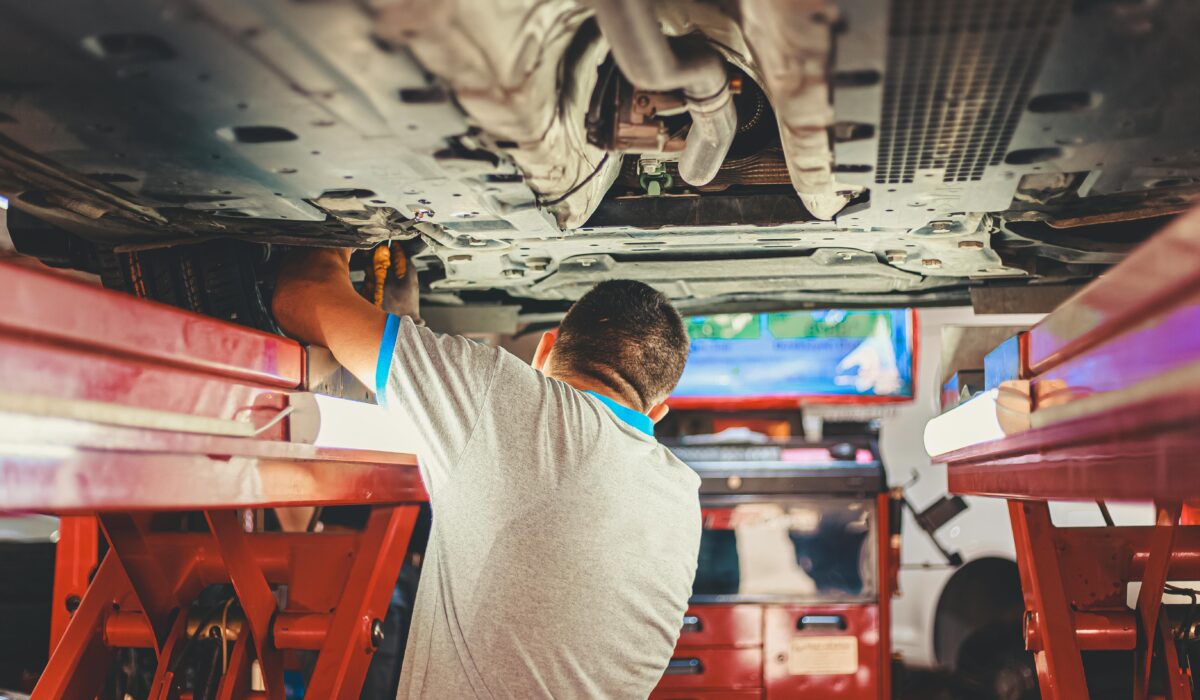
Yes, you should absolutely get a pre-purchase inspection by an independent mechanic, as it’s one of the most effective ways to avoid hidden mechanical or accident damage on a used car. This professional assessment is arguably the most important of all things to inspect before buying used car, offering an expert’s eye on components you might miss.
Most car buyers — even maintenance-savvy ones — simply cannot check a vehicle as comprehensively as an experienced mechanic can, according to Edmunds. A professional pre-purchase inspection (PPI) is a small investment that can save you thousands in future repairs.
Step 10: Consider a Professional Pre-Purchase Inspection
Arrange for an independent mechanic to perform a pre-purchase inspection (PPI) – ideally at their shop, not the seller’s location. This is crucial because a mechanic can use specialized tools and their expertise to identify issues like frame damage, engine problems, or hidden leaks that are not apparent during a visual inspection or test drive. Consumer protection organizations such as the Federal Trade Commission and the American Bar Association recommend an independent pre-purchase inspection.
The pre-purchase inspection cost typically ranges from $100 to $250, a small price to pay compared to potential repair bills. Nicole Miskelley, PMR Auto & Diesel Repair manager, notes that "Most reputable dealerships allow this… Doing this can allow for someone outside of the dealership to take a once-over on it and note any damage or potential repairs the dealer repair shop might have missed." Companies like Lemon Squad offer mobile pre-purchase inspection services, providing detailed reports with photos and OBD scans, especially useful for long-distance purchases and adding another layer of confidence to your list of things to inspect before buying used car.
Leveraging Your Inspection for Negotiation & Value in 2026
Leveraging your inspection for negotiation and value in 2026 means using any identified issues or required repairs as concrete points to negotiate a lower purchase price. This transforms your thorough inspection from merely a safety check into a powerful financial tool. Understanding the market value is also key; the average used-vehicle listing price was $26,043 at the start of January 2026, according to Cox Automotive, so knowing the car’s true condition allows for informed negotiation.
Any identified flaws, from worn tires to a minor oil leak, represent future expenses for you. Quantifying these costs provides a factual basis for asking for a price reduction. This strategic approach to the things to inspect before buying used car can significantly impact your final deal.
Step 11: Evaluate for Negotiation Leverage
Once you have a comprehensive list of all identified issues, ideally from a professional PPI, research the estimated cost of repairs for each. This allows you to approach the seller with specific figures. For example, if the brakes need replacing and that costs $500, you have a clear justification to ask for a $500 reduction in price. This is crucial for negotiating price after pre-purchase inspection.
Consult market value tools like Kelley Blue Book and Edmunds to understand the vehicle’s fair market price based on its condition, mileage, and features. Comparing the seller’s asking price against the market value and the estimated repair costs gives you a strong position to negotiate, ensuring you get the best possible value for your investment among the things to inspect before buying used car.
Modern Tools & Tech for Smart Used Car Inspections
Modern tools and technology for smart used car inspections significantly enhance a buyer’s ability to uncover hidden problems, moving beyond traditional visual checks to real-time diagnostics. These advancements provide an unparalleled advantage in evaluating the many things to inspect before buying used car in today’s market.
The rise of digital inspection platforms and smart diagnostic tools has made comprehensive self-inspections more accessible than ever. Integrating these tools into your process can save time and money by preemptively identifying issues.
Step 12: Utilize Diagnostic Tools and Apps
Consider using an OBD2 scanner, like the Innova OBD2 scanner, to check for any stored diagnostic trouble codes (DTCs) in the car’s computer. This is a game-changer for uncovering hidden problems that visual inspections might miss, providing peace of mind and potential savings. Even if the "Check Engine" light isn’t on, an OBD2 scanner can reveal pending codes that indicate emerging issues. This is a vital part of what to look for in a used car engine, extending beyond simple visual checks.
Beyond OBD2 scanners, mobile apps and digital platforms are increasingly offering features for real-time data capture and reporting. These modern tools provide a cutting-edge perspective on the things to inspect before buying used car, allowing for more data-driven decisions. Always remember to check safety rating resources like the National Highway Traffic Safety Administration (NHTSA) and the Insurance Institute for Highway Safety (IIHS) for recalls and crash test results, ensuring the vehicle meets modern safety standards.

Frequently Asked Questions
What are the top 5 things to check when buying a used car?
The top 5 things to check when buying a used car are the vehicle history report, exterior and interior condition, engine and mechanical components, tire and brake wear, and a thorough test drive. A professional pre-purchase inspection is highly recommended to uncover hidden issues. Used vehicle retail sales reached 1.34 million vehicles in December 2025, according to Cox Automotive, underscoring the importance of these checks for a sound investment.
What are the red flags when buying a used car?
Red flags when buying a used car include inconsistent paint, signs of rust, fluid leaks under the hood, a “Check Engine” light, strange noises during a test drive, and a missing or incomplete service history. These indicators often point to underlying mechanical problems or past accidents that could be costly. The average used-vehicle listing price at the start of January 2026 was $26,043, making it crucial to spot these red flags before committing.
How do you check a used car for major problems?
To check a used car for major problems, review its CARFAX or AutoCheck history report for accidents, inspect the engine bay for leaks and unusual wear, listen for strange noises during a test drive, and most importantly, get a professional pre-purchase inspection from an independent mechanic. This comprehensive approach helps identify issues like frame damage or transmission faults.
Should I pay for a mechanic to inspect a used car?
Yes, you should absolutely pay for a mechanic to inspect a used car, as this pre-purchase inspection (PPI) is a critical step in identifying hidden mechanical issues or undisclosed accident damage. A PPI typically costs $100-$250, a small investment compared to potential repair bills. "Most reputable dealerships allow this," states Nicole Miskelley, PMR Auto & Diesel Repair manager, highlighting its acceptance and value.
What should I look for during a used electric vehicle battery inspection?
During a used electric vehicle battery inspection, look for charging port damage, request any available battery health reports, and check for consistent charging performance during a test drive. While a full internal inspection is not feasible, these steps, combined with a professional EV-specialized PPI, help assess battery degradation. Off-lease EV returns are projected to exceed 300,000 units in 2026, offering more used EV inventory but also emphasizing the need for diligent battery checks.
Armed with this comprehensive guide, you now understand the essential things to inspect before buying used car in 2026. By diligently checking vehicle history, scrutinizing the exterior and interior, performing crucial engine assessments, conducting a thorough test drive, and investing in a professional inspection, you can confidently navigate the used car market. Make an informed decision by empowering yourself with knowledge and leveraging modern tools to secure a reliable vehicle that meets your needs and budget.