
Key Takeaways
- International arrivals to Africa rose by 8% in early 2026, making it the world’s fastest-growing tourism region.
- Tourism is projected to contribute over $220 billion to Africa’s GDP in 2026, supporting an estimated 25 million jobs.
- The Cape Town International Jazz Festival, Sauti za Busara, and Gnaoua World Music Festival are among the **Top 5 Cultural Festivals Africa 2026**.
- A UNESCO report published in August 2025 indicated that ten Southern African festivals generated over USD 11.7 million in economic activity in 2024.
- For every $1 invested in festival production in Southern Africa, an estimated additional $2.51 is injected into the local economy.
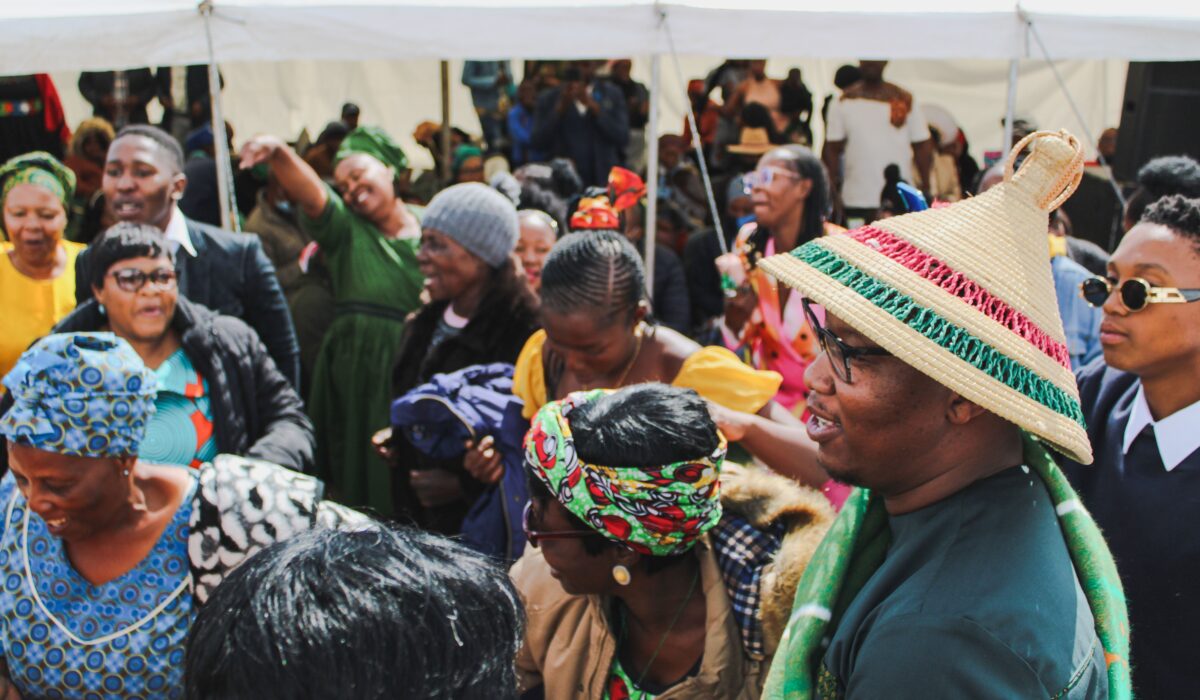
Are you ready to explore the vibrant heart of a continent bursting with rhythm, tradition, and unparalleled experiences? This essential guide unveils the **Top 5 Cultural Festivals Africa 2026**, offering a roadmap to the most significant celebrations shaping the continent’s cultural landscape this year. We’ll dive into the unique offerings of each event, providing the actionable insights you need to plan an immersive and unforgettable journey.
Quick Answer: The Top 5 Cultural Festivals in Africa for 2026 include the Cape Town International Jazz Festival, Sauti za Busara, Gnaoua World Music Festival, Timkat, and Nyege Nyege Festival, offering diverse music, heritage, and traditional celebrations across the continent.
Why Experience Africa’s Cultural Festivals in 2026?
Experiencing Africa’s cultural festivals in 2026 offers unparalleled opportunities for immersive travel and genuine connection with diverse heritage. International arrivals to Africa rose by 8% in early 2026, making it the world’s fastest-growing tourism region, according to TravelPulse (2026), indicating a clear surge in interest for authentic experiences. These events provide a window into the continent’s soul, showcasing traditions, music, dance, and artistry that have been preserved for generations.
The African Travel & Tourism Association (ATTA) 2026 Travel Trends report reveals that “cultural immersion, heritage storytelling, conservation-led experiences and slow, more meaningful journeys are driving demand among global leisure travelers to Africa.” This shift underscores the growing desire for experiences that go beyond conventional tourism. Attending a festival allows you to be a part of a living history, rather than just observing it.
Kgomotso Ramothea, CEO of the African Travel & Tourism Association (ATTA), stated in February 2026 that “This movement shows an increased appetite for conservation impact, limited-permit experiences and inclusive tourism offerings that go beyond the classic safari model.” Festivals perfectly align with this trend, offering unique cultural experiences Africa. You’ll witness the vibrant expressions of identity that define communities across the continent.
Our Top 5 Cultural Festivals Africa 2026: Dates & Highlights
Our curated list of the **Top 5 Cultural Festivals Africa 2026** represents a diverse collection of events, each offering a distinct cultural immersion and unforgettable memories. These festivals are chosen for their cultural significance, visitor accessibility, and confirmed or traditionally recurring dates in 2026. This comprehensive African festival guide 2026 is designed to help you plan your adventure.
Here are the highlights of the Top 5 Cultural Festivals Africa 2026:
-
Cape Town International Jazz Festival (South Africa)
Scheduled for March 27–28, 2026, the Cape Town International Jazz Festival is one of the world’s largest jazz events, drawing over 10,000 fans per evening.
This festival blends international acts with rich African jazz fusions, offering a dynamic showcase of musical talent in South Africa’s vibrant cultural capital. It’s a premier event among South Africa cultural festivals, known for its high production values and diverse lineup.
-
Sauti za Busara (Zanzibar, Tanzania)
The 23rd edition of this pan-African music festival is expected to take place from February 5–8, 2026, within the historic Stone Town of Zanzibar.
Sauti za Busara promotes 100% live African music, featuring artists from across the continent in a stunning UNESCO World Heritage site setting. It’s a fantastic example of East Africa cultural events that celebrate authentic sounds and rhythms.
-
Gnaoua World Music Festival (Essaouira, Morocco)
This four-day festival, typically held in June (expected June 2026), celebrates Gnaoua heritage with mystical sounds blended into jazz, rock, and world beats.
Attracting over 400,000 fans yearly, the Gnaoua World Music Festival is a powerful expression of West Africa heritage festivals, offering a profound spiritual and musical experience. It stands out as one of the most unique cultural experiences Africa has to offer.
-
Timkat (Ethiopia)
This annual Orthodox Epiphany celebration, commemorating the baptism of Christ, takes place from January 19–21, 2026, with major festivities in Gondar, Lalibela, and Addis Ababa.
Timkat is a breathtaking display of religious devotion, vibrant processions, and traditional attire, recognized by UNESCO for its cultural significance. It offers a deep dive into the spiritual traditions of the region.
-
Nyege Nyege Festival (Jinja, Uganda)
Running from November 18–23, 2026, this festival is an immersive exploration of East African electronic music and experimental soundscapes, set at Kalagala Falls on the White Nile.
Nyege Nyege represents a newer wave of African music festivals 2026, showcasing contemporary African creativity and attracting a global audience. It’s truly a unique cultural experience in Africa, pushing boundaries and celebrating innovation.
For those considering an extended trip, remember that these are just some of the highlights of the Top 5 Cultural Festivals Africa 2026. Each offers a distinct flavor of the continent’s rich cultural tapestry.
Planning Your Trip: Essential Tips for African Festivals 2026
Planning your trip to attend any of the **Top 5 Cultural Festivals Africa 2026** requires careful consideration to ensure a smooth and enriching experience. Early planning is crucial, especially for popular events like the Cape Town International Jazz Festival, where accommodation and flights book up quickly. When planning African festival trips, consider the specific dates and locations of your chosen events.
Here are essential tips for planning your African festival trip:
- Book Accommodation Early: Festival periods lead to high demand. Secure your lodging months in advance, especially in smaller towns. For major events like the Gnaoua World Music Festival, options range from hotels to guesthouses.
- Transportation Logistics: Research local transport options to and from festival venues. Many festivals offer shuttles, but local taxis or ride-shares are also common. Consider internal flights if you’re attending multiple events across vast distances. For instance, traveling between Sauti za Busara in Zanzibar and Timkat in Ethiopia requires careful flight planning.
- Visa Requirements: Check visa regulations for your destination country well in advance. Requirements vary widely across African nations, and processing times can be lengthy. Do not leave this to the last minute when planning African festival trips.
- Health Precautions: Consult your doctor about necessary vaccinations and malaria prophylaxis. Pack a basic medical kit, and be aware of local health advisories.
- Budgeting: Factor in ticket prices (if applicable), accommodation, food, local transport, and souvenirs. While some festivals are free, others, like the Cape Town International Jazz Festival, require tickets. A UNESCO report (2025) highlighted that festivals in Southern Africa generated over USD 11.7 million in economic activity in 2024, indicating significant local commerce.
Understanding these elements is key to a rewarding and seamless experience at any of the Top 5 Cultural Festivals Africa 2026. For those interested in broader travel, consider linking your festival visit with explorations of Safest Countries to Visit in Africa 2026.
Beyond the Spectacle: Embracing Cultural Etiquette
Embracing cultural etiquette is paramount for an authentic and respectful experience when attending any of the **Top 5 Cultural Festivals Africa 2026**. True immersion means more than just witnessing the spectacle; it involves understanding and honoring the traditions of your hosts. This approach ensures you contribute positively to cultural tourism Africa.
Respectful engagement enhances your journey significantly. Always seek permission before taking photographs of individuals, especially during sacred ceremonies like Timkat. Dress modestly, particularly when visiting religious sites or traditional communities, as a sign of respect for local customs.
Learning a few basic phrases in the local language can open doors and foster genuine connections. Locals appreciate the effort, and it shows you are genuinely interested in their culture. This practice aligns with responsible tourism Africa principles, making your presence a welcomed one.
Responsible Tourism Practices
Responsible tourism practices are vital for preserving the integrity of African festivals and supporting local communities. Choosing local guides, eating at local eateries, and purchasing crafts directly from artisans inject money directly into the local economy. This fosters sustainable development.
Minimizing your environmental footprint is another critical aspect. Dispose of waste properly and respect natural sites. The World Travel Market Africa’s 2026 State of the Industry report declared, “Africa is no longer an emerging destination—it is a primary choice for discerning travelers worldwide,” emphasizing the need for visitors to uphold high standards of responsible travel.
What Types of Cultural Festivals are there in Africa?
Africa’s cultural festivals encompass a vast array of celebrations, reflecting the continent’s incredible diversity in music, religion, art, and heritage. These events range from ancient spiritual ceremonies to contemporary music gatherings, providing something for every interest. The types of cultural festivals in Africa are incredibly varied, offering unique cultural experiences Africa.
You’ll find several prominent categories of festivals:
- Music Festivals: These are incredibly popular, showcasing everything from traditional drumming and folk music to contemporary Afrobeats, jazz, and electronic genres. The Cape Town International Jazz Festival and Sauti za Busara are prime examples, attracting global talent and audiences. The Nyege Nyege Festival also highlights the innovative spirit of African music festivals 2026.
- Religious Festivals: Many festivals are deeply rooted in spiritual traditions, commemorating significant religious events or figures. Timkat in Ethiopia is a powerful example, demonstrating profound devotion and ancient rituals. These events often involve elaborate processions and community participation.
- Art and Heritage Festivals: These celebrations focus on visual arts, storytelling, traditional crafts, and historical narratives. The Gnaoua World Music Festival, while music-centric, also preserves and celebrates the distinct heritage of the Gnaoua people through its unique blend of spiritual and artistic expression.
- Harvest and Seasonal Festivals: Many communities celebrate successful harvests or the changing seasons with feasts, dances, and traditional rituals. These often highlight agricultural traditions and community solidarity.
- Wildlife and Conservation Festivals: Events like Rwanda’s Kwita Izina gorilla naming ceremony (September 2026) blend cultural celebration with conservation efforts, raising awareness for endangered species while honoring local traditions. This shows a unique intersection of culture and environmental stewardship.
Each type offers a distinct window into the continent’s vibrant cultural tapestry, making the Top 5 Cultural Festivals Africa 2026 just a starting point for exploration.
When is the Best Time to Visit Africa for Festivals?
The best time to visit Africa for festivals depends entirely on which specific events you wish to attend, as the African festival calendar 2026 is rich and diverse throughout the year. While there isn’t a single “best” month, different regions host significant cultural events during their peak seasons. This means you can find a compelling festival experience almost any time.
For example, early in the year, you can experience the spiritual grandeur of Timkat in Ethiopia in January or the vibrant sounds of Sauti za Busara in Zanzibar in February. The Cape Town International Jazz Festival lights up South Africa in March. Later in the year, the Gnaoua World Music Festival typically graces Morocco in June, while Nyege Nyege offers its unique vibe in Uganda in November.
The key is to align your travel dates with the specific events that capture your interest. Planning around these dates will often coincide with favorable weather conditions for that region. For instance, March is autumn in South Africa, offering pleasant temperatures for the Cape Town International Jazz Festival, while February in Zanzibar is typically dry and warm, ideal for Sauti za Busara.
How Do African Cultural Festivals Boost Local Economies?
African cultural festivals significantly boost local economies by attracting tourists, generating revenue, and creating employment opportunities within host communities. These events serve as powerful engines for economic development, extending benefits far beyond the festival grounds. Tourism is projected to contribute over $220 billion to Africa’s GDP in 2026, supporting an estimated 25 million jobs, according to the African Travel & Tourism Association (2026).
A new UNESCO report, “Creating for the Future: Harnessing Southern Africa’s Arts and Cultural Festivals for Sustainable Development,” highlights the transformative potential of arts and culture festivals. The report, published in August 2025, indicated that ten festivals in Southern Africa generated over USD 11.7 million in economic activity in 2024, creating nearly 3,000 jobs. This demonstrates the tangible economic impact of such events.
For every $1 invested in festival production in Southern Africa, an estimated additional $2.51 is injected into the local economy, according to the South African Cultural Observatory (2025). This multiplier effect benefits various sectors, including hospitality, transportation, food services, and local artisan markets. Festivals like the Gnaoua World Music Festival, which attracts hundreds of thousands, create a massive influx of spending.
Moreover, 61% of attendees at cultural festivals in Southern Africa are non-local, according to the UNESCO report (2025), highlighting their role as significant tourism boosters. This non-local spending directly supports small businesses and entrepreneurs, fostering economic growth and reducing poverty. The enhanced visibility also helps in branding destinations, encouraging repeat visits and broader cultural tourism Africa. You can learn more about how infrastructure supports this growth by reading about African Nations Infrastructure Growth 2026.
Frequently Asked Questions
What are the biggest festivals in Africa?
The biggest festivals in Africa include the Cape Town International Jazz Festival, Gnaoua World Music Festival, and Sauti za Busara, drawing massive crowds and international attention. The Cape Town International Jazz Festival alone attracts over 10,000 fans per evening, according to festival organizers (2026). These events offer significant cultural experiences and showcase diverse artistic expressions.
Which African countries have the best cultural festivals?
African countries with outstanding cultural festivals include South Africa (Cape Town International Jazz Festival), Morocco (Gnaoua World Music Festival), Tanzania (Sauti za Busara), Ethiopia (Timkat), and Uganda (Nyege Nyege Festival). These nations host some of the most vibrant and historically significant celebrations on the continent. Each offers a unique blend of heritage and contemporary expression.
When is the best time to visit Africa for cultural events?
The best time to visit Africa for cultural events varies by region and specific festival, as events occur throughout the year. For instance, February is ideal for Sauti za Busara in Zanzibar, while March hosts the Cape Town International Jazz Festival. Planning your trip around the specific dates of the Top 5 Cultural Festivals Africa 2026 ensures you catch the events that interest you most.
What types of cultural festivals are there in Africa?
There are diverse types of cultural festivals in Africa, including music festivals, religious celebrations, art and heritage events, harvest festivals, and even conservation-focused ceremonies. The African Travel & Tourism Association’s 2026 report highlights the growing demand for “cultural immersion and heritage storytelling.” This variety reflects the continent’s rich and multifaceted cultural landscape.
How do cultural festivals contribute to African tourism?
Cultural festivals significantly contribute to African tourism by attracting international visitors, boosting local economies through spending, and creating jobs. Tourism is projected to contribute over $220 billion to Africa’s GDP in 2026, supporting an estimated 25 million jobs, according to the African Travel & Tourism Association (2026). These events also enhance the global profile of African destinations as vibrant cultural hubs.
Embarking on a journey to experience the **Top 5 Cultural Festivals Africa 2026** promises more than just a vacation; it offers a profound immersion into the continent’s rich tapestry of traditions, music, and community spirit. By planning thoughtfully and embracing responsible tourism, you’ll not only witness extraordinary spectacles but also contribute to the vibrant cultural economies that make these events possible. Start planning your unforgettable African festival adventure today and discover the heart of a continent that welcomes you with open arms and captivating rhythms.