
Key Takeaways
- Micronations are self-declared entities not recognized by international governments, offering unique travel experiences.
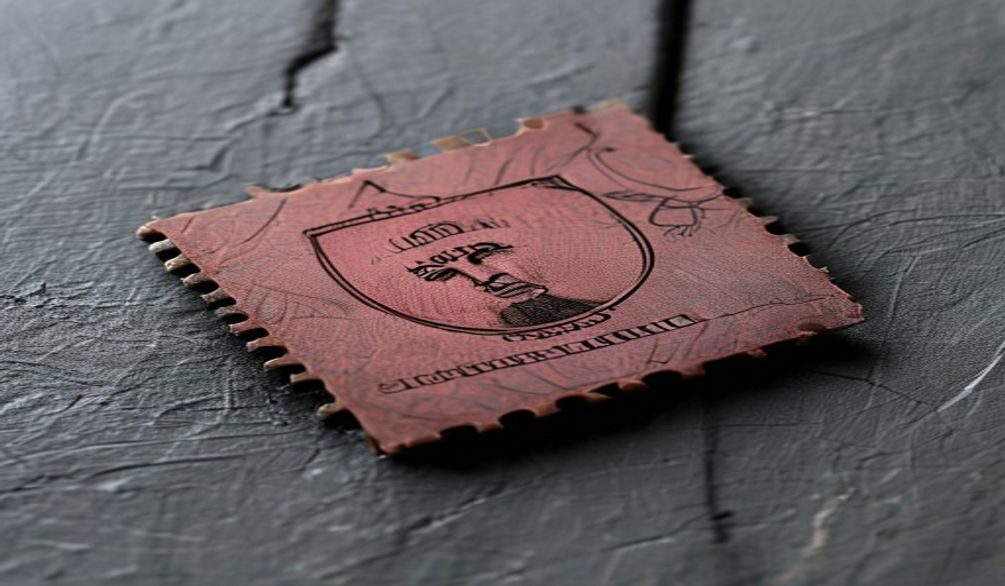
- The “passport stamps” from micronations are typically souvenir stamps, distinct from official government entry stamps.
- The travel and tourism sector contributed 7.6% to global GDP in 2022, according to the World Travel & Tourism Council (WTTC) (2023).
- Republic of Molossia, founded by Kevin Baugh, offers limited, appointment-only tours, making it a truly least-visited destination for a souvenir stamp.
- Academic research on micronations as tourism destinations is “almost fully unexplored,” according to a 2024 paper by Alfonso Vargas-Sánchez.
Dreaming of a travel experience so unique it barely registers on official maps? The quest for a least visited micronations passport stamp offers an unparalleled adventure for the intrepid traveler in 2026, promising stories far beyond the usual tourist trails. This guide will walk you through what micronations are, how to visit them, and where to find those elusive, quirky passport stamps that truly set your travel journal apart.
Quick Answer: In 2026, get unique passport stamps from least-visited micronations: Molossia, Seborga, Christiania, Užupis, and Whangamomona. These offer novelty souvenir stamps, distinct from official government entry stamps, for a memorable, offbeat travel memento.
What Exactly is a Micronation?
A micronation is a self-declared entity that claims to be an independent nation or state but is not recognized by any established global government or international body. These fascinating entities are often created by individuals or small groups for various reasons, ranging from artistic expression to political satire or even serious declarations of sovereignty.
Dr. Judy Lattas, a leading academic from Macquarie University studying micronations, defines them as “tiny countries declared by ordinary people in an act that replicates the creation of sovereign states, at least in some protocols.” This highlights their foundational claim to statehood, even if it lacks international recognition.
Micronations are incredibly diverse, often reflecting the unique personalities and visions of their founders. They can be virtual, land-based, or even located on offshore platforms. Some are elaborate art projects, while others are serious political protests, creating a rich tapestry of self-declared nations for those seeking alternative travel experiences.

Official vs. Souvenir: The Truth About Micronation Passport Stamps
The critical distinction for anyone seeking a least visited micronations passport stamp is understanding that these are almost exclusively novelty or souvenir stamps, not official government entry stamps. Official stamps are issued by internationally recognized sovereign states to document legal entry and exit.
Micronations, by their very definition, lack this international recognition, meaning their stamps hold no legal weight for travel. However, this doesn’t diminish their appeal. For many travelers, the allure of a souvenir passport stamp from a self-declared nation is precisely its unofficial, quirky nature.
These stamps serve as tangible mementos of an offbeat travel destination and a unique experience. They are a testament to having visited a place that exists outside conventional geopolitical boundaries, making your passport a conversation starter. The joy comes from the story behind the stamp, not its legal authority.
Top 5 Least Visited Micronations for 2026 with Passport Stamps
When seeking a least visited micronations passport stamp, the challenge lies in the lack of official visitor statistics for these unrecognized entities. Our selections are based on their operational models, requiring appointments, limited accessibility, or simply their general obscurity compared to mainstream destinations.
Here are five fascinating micronations where you can likely obtain a souvenir passport stamp in 2026:
- The Republic of Molossia (Nevada, USA)
Founded by President Kevin Baugh, the Republic of Molossia is perhaps the quintessential example of an accessible yet least-visited micronation. Located near Dayton, Nevada, it comprises Baugh’s home and surrounding property. Tours are offered approximately once a month during the tourist season (April-October) and require advance reservations, according to Molossia’s official website (2026). This appointment-only system inherently limits visitor numbers, solidifying its status as a truly unique and least visited micronations passport stamp opportunity. - The Principality of Seborga (Liguria, Italy)
Nestled in the hills of Liguria, Italy, Seborga claims historical independence dating back to the Middle Ages. While physically integrated into Italy, its residents maintain a strong sense of separate identity, electing their own monarch. Visitors can obtain a souvenir Principality of Seborga passport stamp from local shops or the tourist office, often located near the main square. - The Republic of Užupis (Vilnius, Lithuania)
Užupis is a self-declared republic situated within the capital city of Vilnius, Lithuania, known for its bohemian and artistic community. Declared independent on April 1, 1997, it has its own constitution, currency, and anthem. While Užupis itself is a popular district within Vilnius, making its “least visited” status ambiguous in a remote sense, getting an Užupis passport stamp is a popular “keepsake” for visitors, available at their information center or local art galleries. - Freetown Christiania (Copenhagen, Denmark)
Established in 1971 by squatters and hippies on a former military base, Christiania is a self-proclaimed autonomous neighborhood in Copenhagen. It has its own set of rules, distinct from the Danish government, and is known for its alternative lifestyle. While Christiania attracts many visitors as part of Copenhagen’s cultural landscape, it maintains its unique status and offers a distinctive stamp, often available at local shops or community centers, representing a less conventional form of a least visited micronations passport stamp. - The Republic of Whangamomona (Taranaki, New Zealand)
This small rural town in New Zealand declared itself a republic in 1989 in protest over regional boundary changes. They elect their own president, often an animal, and hold a biennial Republic Day celebration. Visitors can obtain a novelty Whangamomona passport stamp at the Whangamomona Hotel, which serves as the unofficial embassy and cultural heart of this quirky travel destination.
It’s important to note the transient nature of some micronations; for example, the Principality of Hutt River, once a famous micronation that offered passport stamps, officially ceased to exist in 2020. This underscores the unique and often fleeting opportunities for these unique travel experiences.

How to Visit a Micronation and Get Your Stamp in 2026
Visiting a micronation and securing your least visited micronations passport stamp in 2026 requires a bit more planning than a typical trip, but the reward is immense. The key is thorough research and respectful engagement with the micronation’s leadership or community.
First, always check the micronation’s official website or social media for current visitor policies. Many, like the Republic of Molossia, operate on an appointment-only basis. President Kevin Baugh personally leads tours, requiring advance booking to ensure access.
Second, understand that some micronations are simply small communities with a unique identity rather than tourist attractions with dedicated staff. You might need to ask at a local shop, hotel, or information center to find the souvenir passport stamp.
Third, remember to be respectful of their self-declared sovereignty and customs. Engaging with their unique culture and history enriches the experience far beyond just collecting a stamp. This is part of the charm of visiting unrecognized countries.

Are Micronations Real Countries?
No, micronations are generally not considered “real countries” in the eyes of international law or the global community. They lack the diplomatic recognition and official statehood that define sovereign nations.
Dr. Judy Lattas explains that while they “replicate the creation of sovereign states, at least in some protocols,” this replication does not confer international legitimacy. They do not have seats at the United Nations, nor are their passports accepted for international travel.
The point of a micronation often lies in its symbolic or cultural significance rather than its geopolitical power. They are fascinating social experiments, art projects, or statements of individuality that challenge conventional notions of statehood. This makes the pursuit of a least visited micronations passport stamp an act of embracing the unconventional.
What’s the Smallest Micronation You Can Visit?
Determining the absolute smallest micronation you can visit for a least visited micronations passport stamp is challenging, as “smallest” can refer to land area, population, or even the space required for a passport stamp. However, the Republic of Molossia is often cited as one of the smallest physically accessible micronations.
President Kevin Baugh’s Republic of Molossia covers approximately 1.28 acres, making it incredibly compact. This tiny sovereign state offers a deeply personal and intimate visitor experience, allowing you to truly immerse yourself in its unique governance and culture.
While other micronations like the Principality of Sealand (a former WWII fort in the North Sea) are even smaller, their accessibility for casual visitors is extremely limited or non-existent. For a practical, in-person visit, Molossia represents a prime example of a minuscule, yet welcoming, self-declared nation.
Beyond the Stamp: Exploring the Appeal of Micronation Travel in 2026
The allure of a least visited micronations passport stamp extends far beyond just collecting a novelty item; it’s about embracing a unique travel experience in 2026. These quirky travel destinations offer a glimpse into human creativity, humor, and sometimes, profound philosophical statements.
Alfonso Vargas-Sánchez, in a 2024 paper, highlights that micronations “have the potential to offer a unique and memorable travel experience that ‘hobbyist’ tourists cannot find anywhere else.” This underscores the niche appeal of visiting unrecognized countries. The novelty, adventure, and smallness of these entities are cited as main sources of attraction for visitors.
Engaging with a micronation allows travelers to step off the beaten path and into a world where imagination often dictates borders. It’s an opportunity for alternative travel experiences, connecting with passionate individuals like Kevin Baugh, and discovering stories that won’t be found in any mainstream travel guide. Just as some seek the thrill of bioluminescent kayaking adventures, others find their ultimate adventure in these self-declared nations.
Frequently Asked Questions
What is the smallest micronation?
The Republic of Molossia, founded by Kevin Baugh, is one of the smallest physically accessible micronations, covering approximately 1.28 acres in Nevada, USA. This compact size makes it a truly intimate destination for a least visited micronations passport stamp. Its appointment-only tours further emphasize its exclusive nature.
Which micronations are recognized?
No micronations are recognized by international governments or bodies like the United Nations, as recognition typically requires meeting specific criteria for statehood and gaining diplomatic acceptance. Dr. Judy Lattas notes that micronations “replicate the creation of sovereign states,” but this does not confer global legitimacy. Therefore, any passport stamp obtained would be unofficial.
Can you get a passport stamp from Sealand?
While the Principality of Sealand, a former WWII fort, is a well-known micronation, obtaining a physical passport stamp from it is extremely difficult due to its limited accessibility and private ownership. Most travelers seeking a least visited micronations passport stamp will find more practical opportunities with land-based micronations like Molossia or Užupis. Sealand’s extreme isolation makes direct visitation rare.
Are micronations real countries?
Micronations are not considered real countries under international law because they lack diplomatic recognition from established sovereign states and international organizations. They are self-declared entities, often created for cultural, political, or artistic reasons, as explained by academic experts like Dr. Judy Lattas. Their “passport stamps” are souvenirs, not official entry documentation.
What is the point of a micronation?
The point of a micronation varies widely, ranging from artistic expression and social commentary to political protest or simply a unique hobby for its founder. Alfonso Vargas-Sánchez stated in a 2024 paper that micronations are “keenly interested in targeting tourism as both an economic development driver and a propaganda stratagem.” Many offer a least visited micronations passport stamp as part of their unique appeal.
Embarking on a journey to secure a least visited micronations passport stamp is more than just collecting a travel souvenir; it’s an exploration of the extraordinary. These unique destinations, from the whimsical Republic of Molossia to the artistic Republic of Užupis, offer a truly distinctive perspective on travel and sovereignty. Don’t just dream of these offbeat travel destinations; start planning your visit in 2026 to experience these hidden gems and add a truly remarkable stamp to your passport.
 Sherlyn Cooper