
Key Takeaways
- 309 new species of freshwater fish were identified globally in 2025, according to a report by Shoal Conservation (2025).
- Globally, one-third of freshwater fish species are currently threatened with extinction, as per the International Union for Conservation of Nature (IUCN) Red List.
- Freshwater megafauna populations have declined by 88% since 1970, a figure reported by AquaINFRA.
- The Connecticut River Conservancy (CRC) completed 20 river restoration projects in 2025, enhancing aquatic habitats and riparian zones.
- Nearly 80% of over 21,000 global river systems have experienced dissolved oxygen loss over four decades, according to a study in Science Advances.
Are you curious about the intricate natural world flowing right past us? This river ecosystems beginner’s guide 2026 will demystify the essential components and functions of rivers, providing you with a foundational understanding of these vital waterways. We’ll explore everything from microscopic life to major conservation efforts, ensuring you grasp the complexity and importance of river health in 2026 and beyond.
Quick Answer: River ecosystems are dynamic flowing water systems encompassing living organisms and their interactions with non-living elements. They are vital for biodiversity, water supply, and human well-being, characterized by continuous change and unique habitats.
What is a River Ecosystem?
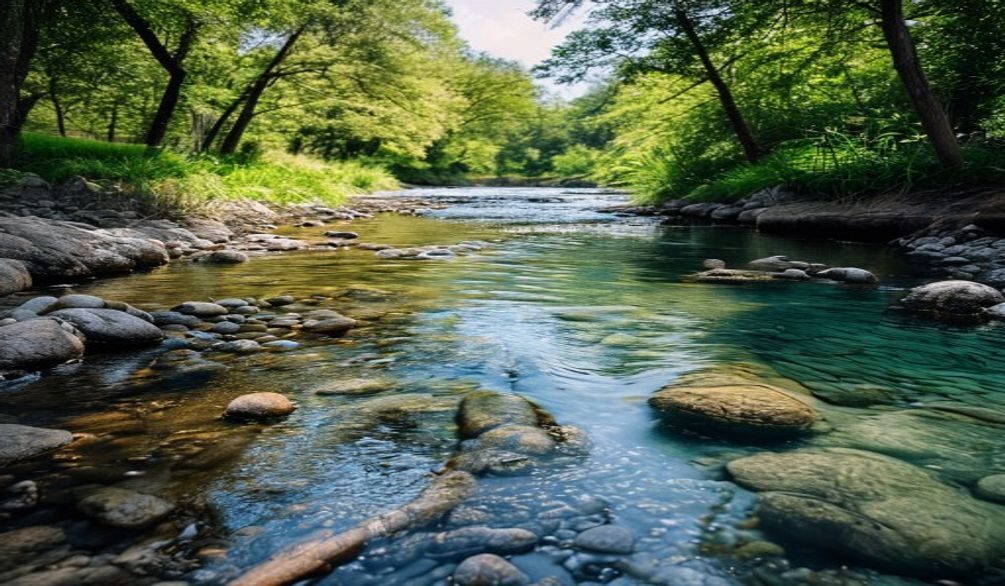
A river ecosystem is a dynamic community of living organisms (biotic components) interacting with the non-living physical and chemical elements (abiotic components) of a flowing freshwater environment. These systems are characterized by continuous, unidirectional water flow, which profoundly influences the distribution and adaptation of species, according to the U.S. Geological Survey (USGS). Understanding the basics is the first step in appreciating this river ecosystems beginner’s guide 2026.
This continuous flow, or lotic characteristic, distinguishes rivers from standing water bodies like lakes, shaping everything from sediment transport to oxygen levels. The river’s journey from source to mouth creates diverse habitats, making each segment a unique ecological niche. From my experience, grasping this fundamental concept of constant movement is key to understanding river ecology for beginners.
What are the Main Components of a River Ecosystem?
The main components of a river ecosystem include both its living (biotic) and non-living (abiotic) elements, which constantly interact to define the system’s health and function. These interactions are fundamental to how river ecosystems work, influencing everything from nutrient cycling to species diversity.
Abiotic Components
The abiotic factors are the non-living physical and chemical characteristics that create the river’s environment. These elements dictate which organisms can thrive and how the ecosystem functions.
* Water Flow and Current: The speed and volume of water movement are critical, affecting sediment transport, oxygenation, and the physical stress on organisms. Faster currents lead to higher dissolved oxygen levels but also greater erosion.
* Substrate: The composition of the riverbed (sand, gravel, silt, bedrock) provides habitat for benthic organisms and influences water chemistry. A diverse substrate supports a richer variety of life.
* Water Temperature: Temperature influences metabolic rates of aquatic organisms and the solubility of gases like oxygen. Many freshwater fish species, for instance, have specific temperature tolerances for spawning.
* Water Chemistry: This includes dissolved oxygen, pH, nutrient levels (nitrogen, phosphorus), and pollutants. High dissolved oxygen is vital for most aquatic life, while elevated nutrient levels can lead to harmful algal blooms.
* Light Penetration: How much sunlight reaches the riverbed affects primary production by aquatic plants and algae. Deeper, murkier waters receive less light, limiting photosynthetic organisms.
Biotic Components
Biotic components are all the living organisms within the river ecosystem, forming complex food webs and interacting in countless ways. These range from microscopic bacteria to large fish and riparian zone plants.
* Producers: These are organisms that create their own food, primarily through photosynthesis. Examples include algae, aquatic plants (macrophytes), and phytoplankton. They form the base of the river ecosystem food web diagram.
* Consumers: Organisms that feed on other organisms. These are categorized into:
* Primary Consumers (Herbivores): Feed on producers, such as snails grazing on algae or insect larvae munching on detritus.
* Secondary Consumers (Carnivores/Omnivores): Feed on primary consumers, like small fish eating insect larvae.
* Tertiary Consumers: Feed on secondary consumers, such as larger predatory fish or birds.
* Decomposers: Bacteria, fungi, and other microorganisms that break down dead organic matter, recycling nutrients back into the ecosystem. This process is crucial for nutrient cycling and overall river health.
Exploring the Types of River Ecosystems in 2026
River ecosystems are often categorized by their position along the river’s length, reflecting distinct physical and biological characteristics. While not strictly “types” in the sense of completely separate systems, these zones represent significant ecological variations within a single river. This helps to further clarify this river ecosystems beginner’s guide 2026.
The River Continuum Concept
The River Continuum Concept (RCC) is a widely accepted framework that describes the predictable changes in physical and biological characteristics from the headwaters to the mouth of a river. This concept helps us understand the types of river habitats explained by their position.
* Headwaters (Small Streams/Creeks):
* Characteristics: Cold, shaded, fast-flowing, often with rocky or gravelly bottoms. Input of organic matter primarily comes from surrounding terrestrial vegetation (leaves, twigs).
* Biota: Dominated by shredders (insects that break down leaves) and collectors (filter feeders). Fish species adapted to cold, oxygen-rich water, like trout, are common.
* Mid-sized Rivers:
* Characteristics: Wider, less shaded, warmer, and slower currents. Increased primary production from algae and aquatic plants as more sunlight reaches the water. Sedimentation increases.
* Biota: Balanced mix of shredders, collectors, and grazers (algae eaters). More diverse fish populations, including those tolerant of warmer waters.
* Large Rivers (Lower Reaches):
* Characteristics: Wide, deep, slow-moving, often turbid with fine sediment. Primary production is limited by light penetration, relying heavily on organic matter from upstream.
* Biota: Dominated by collectors and plankton feeders. Fish species are often generalists, able to tolerate lower oxygen levels and higher temperatures, such as catfish and carp.
Why are River Ecosystems Important for 2026?
River ecosystems are fundamentally important for sustaining life on Earth, providing critical services that benefit both nature and human societies. Their health directly impacts freshwater biodiversity conservation in 2026 and our own well-being.
These ecosystems are essential as sources of drinking water for communities worldwide, providing a vital resource that is becoming increasingly stressed. The importance of healthy rivers in 2026 cannot be overstated, especially with growing global populations and climate change impacts. John M. Kauffmann, an American conservationist, eloquently stated, “Rivers have what man most respects and longs for in his own life and thought–a capacity for renewal and replenishment, continual energy, creativity, cleansing.”
Key Roles of River Ecosystems:
* Biodiversity Hotspots: Rivers support an incredible array of life. Globally, one-third of freshwater fish species are currently considered threatened with extinction, according to the International Union for Conservation of Nature (IUCN) Red List. This highlights their vulnerability and immense value.
* Water Supply: Rivers are primary sources of fresh water for drinking, agriculture, industry, and sanitation. Access to clean water is a fundamental human right and a cornerstone of public health.
* Nutrient Cycling and Waste Assimilation: They play a crucial role in cycling nutrients and breaking down organic waste, naturally purifying water. However, this capacity can be overwhelmed by excessive pollution.
* Flood Control: Healthy riparian zones—the vegetated areas alongside rivers—act as natural sponges, absorbing excess water during floods and releasing it slowly. This reduces the severity of flooding downstream.
* Recreation and Cultural Value: Rivers provide opportunities for fishing, boating, swimming, and aesthetic enjoyment, contributing to human well-being and cultural heritage. Roderick Haig-Brown, a Canadian writer, described rivers as “veins of the earth through which the lifeblood returns to the heart.”
* Economic Benefits: Rivers support fisheries, hydropower generation, and navigation, contributing significantly to local and national economies.
What Animals Live in a River Ecosystem?
A diverse range of animals inhabits river ecosystems, each adapted to the unique conditions of flowing water, varying from microscopic invertebrates to large mammals. The types of animals found depend heavily on factors like current speed, water temperature, substrate, and food availability.
Common Inhabitants of River Ecosystems:
* Fish: From small minnows and darters to larger trout, salmon, bass, and catfish, fish are key indicators of river health. Fish species are highly adapted to specific current speeds and oxygen levels; for example, trout prefer cold, fast-moving, oxygen-rich waters. In 2025, 309 new species of freshwater fish were identified globally, marking the highest number in a single year since 2017, according to a report by Shoal Conservation, the California Academy of Sciences, and the IUCN.
* Invertebrates: These are often the most abundant and diverse group, including insect larvae (mayflies, caddisflies, stoneflies), snails, mussels, crayfish, and worms. Many of these are crucial components of the food web and serve as excellent river health indicators.
* Amphibians and Reptiles: Frogs, salamanders, turtles, and some snake species are commonly found in or near river environments, relying on both aquatic and terrestrial habitats.
* Birds: Many bird species, such as kingfishers, herons, ospreys, and ducks, depend on rivers for food (fish, insects) and nesting sites. The riparian zone importance for these species is immense.
* Mammals: Otters, beavers, muskrats, and raccoons are frequently associated with river ecosystems, utilizing the water for food, shelter, and travel. Larger mammals like deer and bears also visit rivers for water.
Major Threats to River Ecosystems in 2026
River ecosystems face numerous and escalating threats in 2026, primarily driven by human activities and climate change, leading to significant declines in freshwater biodiversity and ecosystem services. Addressing these challenges is paramount for any comprehensive river ecosystems beginner’s guide 2026.
Freshwater megafauna populations have declined by 88% since 1970, a stark statistic reported by AquaINFRA, highlighting the severity of these threats. As an environmentalist and educator, Alan Levere aptly noted, “A river is the report card for its watershed,” meaning the health of a river reflects the cumulative impact of activities across its entire drainage basin.
Key Threats to River Ecosystems:
* Pollution:
* Agricultural Runoff: Pesticides, herbicides, and excess nutrients (nitrogen and phosphorus) from farms lead to eutrophication and oxygen depletion. The 2025 River Report Card for the Lower St. Johns River Basin, for example, highlighted persistent elevated fecal bacteria levels in many tributaries.
* Industrial Discharge: Untreated or poorly treated wastewater from factories can introduce heavy metals, toxins, and thermal pollution.
* Urban Runoff: Stormwater carries oil, grease, chemicals, and trash from impervious surfaces into rivers. In 2025, the South, West, and Rhode Rivers in Maryland received an overall grade of ‘C’ on their River Report Card, indicating ongoing challenges with phosphorus pollution.
* Habitat Alteration and Fragmentation:
* Dams and Weirs: These structures block fish migration, alter natural flow regimes, and change water temperature and sediment transport. Patrick McCully, author of “Silenced Rivers,” states that “Dams are the main reason why fully one–fifth of the world’s freshwater fish are now either endangered or extinct.”
* Channelization: Straightening rivers for flood control or navigation destroys natural meanders, wetlands, and riparian habitats.
* Riparian Zone Destruction: Removal of vegetation along riverbanks increases erosion, raises water temperatures, and reduces habitat for terrestrial and aquatic species.
* Water Abstraction: Excessive withdrawal of water for agriculture, industry, and municipal use can significantly reduce streamflow, leading to dry riverbeds and concentrated pollutants.
* Invasive Species: Non-native species can outcompete native organisms, disrupt food webs, and introduce diseases, fundamentally altering ecosystem structure.
* Climate Change:
* Altered Hydrology: Changes in precipitation patterns lead to more intense floods and prolonged droughts, impacting streamflow and water availability.
* Rising Water Temperatures: Warmer waters hold less dissolved oxygen and stress cold-water adapted species. Nearly 80% of over 21,000 river systems analyzed globally have been steadily losing dissolved oxygen over the past four decades, with climate change emerging as the main culprit, according to a study published in Science Advances.
* Sea Level Rise: Can lead to saltwater intrusion in coastal rivers, impacting freshwater ecosystems.
How to Protect River Ecosystems: Beginner’s Actions for 2026
Protecting river ecosystems begins with individual awareness and action, contributing to broader conservation efforts that make a tangible difference. Every step taken, no matter how small, helps safeguard these vital waterways, making this section crucial for any river ecosystems beginner’s guide 2026.
Rebecca Todd, Executive Director at Connecticut River Conservancy (CRC), emphasizes that “These restoration projects make a tangible and lasting difference for our rivers, habitats, fish, and communities.” Your involvement can be part of this positive change.
Step 1: Understand River Ecosystem Basics
Your first step is to continue learning about river ecology basics and the specific characteristics of your local rivers. This matters because knowledge empowers effective action; you can’t protect what you don’t understand. Educate yourself on river ecosystem food web diagrams and the importance of healthy rivers in 2026.
Step 2: Identify Local River Ecosystems
Get to know the rivers, streams, and wetlands in your immediate area. This matters because local engagement creates direct impact, fostering a sense of ownership and responsibility. Look for opportunities to explore and observe the types of river habitats explained in this guide.
Step 3: Participate in Citizen Science Programs
Engage in local river monitoring programs and citizen science initiatives. This matters because your data helps scientists and conservationists track river health indicators and identify problems. Many organizations offer training on how to collect water quality samples or identify macroinvertebrates.
* Join a River Cleanup: Participate in organized cleanups of riverbanks and surrounding areas. Removing trash directly improves water quality and habitat.
* Monitor Water Quality: Volunteer with groups that test water for parameters like pH, dissolved oxygen, and nutrient levels. This provides valuable data for assessing river health.
* Report Pollution: If you observe pollution or illegal dumping, report it to your local environmental agency or conservation group.
Step 4: Support River Conservation Efforts
Support organizations dedicated to river conservation through donations, volunteering, or advocacy. This matters because these groups often lead large-scale restoration projects and advocate for protective policies. The Connecticut River Conservancy (CRC), for example, completed 20 river restoration projects in 2025, including two dam removals and 12 riparian buffer plantings, adding 7,722 trees over 16.3 acres.
Step 5: Reduce Your Environmental Impact
Adopt daily habits that minimize your footprint on river ecosystems. This matters because collective individual actions significantly reduce overall pollution and resource strain.
* Reduce Water Use: Conserve water at home to lessen demand on freshwater sources.
* Properly Dispose of Waste: Never pour chemicals, medications, or oil down drains or into storm sewers.
* Choose Eco-Friendly Products: Opt for biodegradable cleaning products and avoid those containing phosphates.
* Support Sustainable Agriculture: Choose locally sourced and organically grown foods to reduce agricultural runoff impacts.
* Plant Native Vegetation: If you live near a river, plant native species in your yard to help stabilize soil and filter runoff, enhancing the riparian zone importance.
Emerging Technologies for River Monitoring in 2026
Emerging technologies are revolutionizing how we understand, monitor, and protect river ecosystems, offering unprecedented insights and predictive capabilities. These innovations are critical for shaping the future of river conservation and enhancing this river ecosystems beginner’s guide 2026.
One significant advancement is the U.S. Geological Survey (USGS) River DroughtCast, an AI-powered online tool released in March 2026 that predicts streamflow in over 3,000 rivers across the country. This tool integrates up to 100 different inputs, including weather forecasts and snowpack, providing crucial data for water management. Another example is the Intelligent River BridgeBox™ System, being piloted by Clemson University and the South Carolina Office of Resilience (SCOR) with 125 sensors to provide real-time water level information and flood monitoring in the Upper Savannah and Saluda watersheds. These technologies represent the forefront of freshwater biodiversity facts in 2026.
Technological Innovations for River Health:
* AI and Machine Learning: Beyond streamflow prediction, AI is used for analyzing vast datasets from sensors to identify pollution sources, predict algal blooms, and model the impact of climate change on rivers 2026. This allows for more proactive management strategies.
* Remote Sensing and Satellite Monitoring: Satellites and drones equipped with advanced sensors can monitor large river systems for water quality parameters like turbidity, chlorophyll-a (an indicator of algal growth), and temperature across vast areas, often more efficiently than ground-based methods.
* Advanced Sensor Networks: Networks of in-situ sensors continuously collect real-time data on a wide range of parameters, including dissolved oxygen, pH, conductivity, and specific pollutants. These provide immediate alerts for environmental changes.
* eDNA (Environmental DNA) Sequencing: This cutting-edge technique involves analyzing DNA fragments shed by organisms into the water to detect the presence of rare, invasive, or endangered species without physically capturing them. It’s a powerful tool for freshwater biodiversity conservation 2026.
* Hydrodynamic Modeling: Sophisticated computer models simulate water flow, sediment transport, and pollutant dispersion, helping engineers and conservationists design more effective river restoration projects, such as the Mahoning River dam removals and restoration efforts by GPD Group.
Frequently Asked Questions
What are the main components of a river ecosystem?
The main components of a river ecosystem are its living (biotic) elements like plants, animals, and microorganisms, and its non-living (abiotic) elements such as water flow, temperature, substrate, and water chemistry. These components constantly interact to define the ecosystem’s structure and function.
What are the 3 main types of river ecosystems?
River ecosystems are primarily categorized by their position along the river’s length, commonly described by the River Continuum Concept into headwaters, mid-sized rivers, and large rivers (lower reaches). Each zone has distinct physical characteristics and supports different biological communities, reflecting adaptations to varying flow, temperature, and nutrient conditions.
What is the importance of a river ecosystem?
River ecosystems are crucially important for providing fresh drinking water, supporting immense biodiversity, facilitating nutrient cycling, and offering recreational opportunities. Globally, one-third of freshwater fish species are currently considered threatened with extinction, according to the IUCN Red List, underscoring the critical need for their protection.
What are the threats to river ecosystems?
River ecosystems face significant threats including pollution from agricultural and urban runoff, habitat alteration through dams and channelization, excessive water abstraction, invasive species, and the impacts of climate change. Nearly 80% of over 21,000 river systems analyzed globally have been steadily losing dissolved oxygen over the past four decades, according to a study in Science Advances.
What animals live in a river ecosystem?
A wide array of animals inhabits river ecosystems, including various fish species, a rich diversity of invertebrates (like insect larvae and mussels), amphibians, reptiles, birds, and mammals such as otters and beavers. These animals are adapted to the unique conditions of flowing water, with specific adaptations for feeding, reproduction, and survival in different river zones.
Understanding river ecosystems is a journey into the heart of our planet’s freshwater resources, and this river ecosystems beginner’s guide 2026 provides a solid starting point. From the intricate food webs to the vital role rivers play in human well-being, their health is inextricably linked to ours. By engaging with local conservation efforts and adopting sustainable practices, you can become a crucial part of protecting these invaluable natural systems for future generations. Start your journey today by exploring a river near you and learning more about its unique ecology.