
Key Takeaways
- Tristan da Cunha is considered the most isolated inhabited territory on Earth, with a population of just over 200 people, according to EnVols (2026).
- The Marquesas Islands became a UNESCO World Heritage site in 2024, recognizing their exceptional cultural and environmental heritage, as stated by Tahiti Tourism CEO Jean-Marc Mocellin.
- The Azores recorded 521,710 overnight stays in the first quarter of 2026, marking a 4.9% decline compared to the prior year, according to the Azores Tourism Board.
- A 2023 survey found that 76% of global travelers prioritize the sustainability of destinations and accommodations when planning a trip, as reported by Travel And Tour World (2026).
- An underwater volcanic eruption discovered in May 2026, north of Papua New Guinea, could lead to the formation of a new island, as observed by NASA satellites.
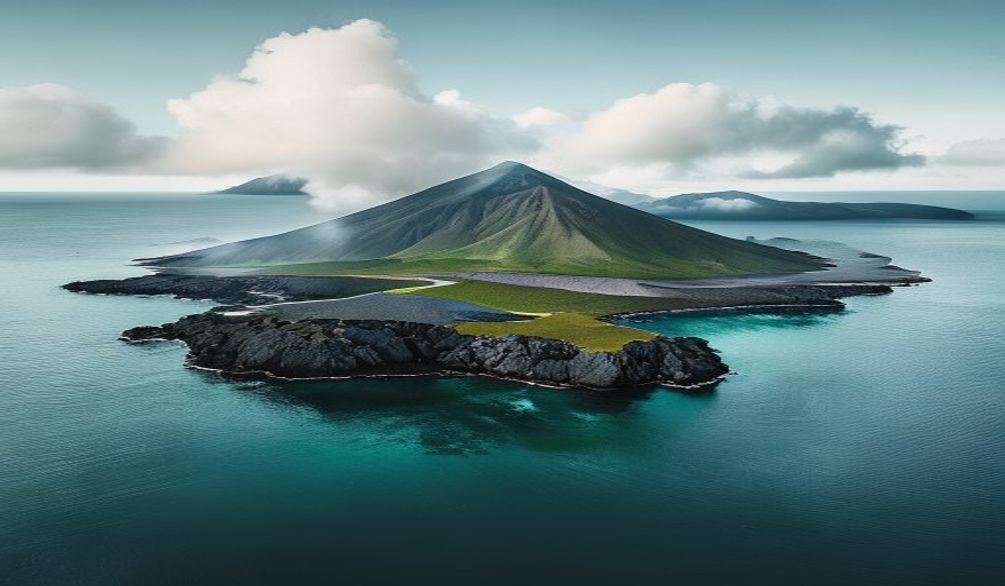
Are you dreaming of an adventure to the farthest corners of the Earth, where dramatic landscapes meet untamed nature? This guide reveals the Top 5 Remote Volcanic Islands 2026, offering essential insights for intrepid travelers seeking truly unique experiences. We’ll explore what makes these destinations so special, from their raw geological power to their rich, isolated cultures.
Quick Answer: For 2026, the Top 5 Remote Volcanic Islands offer unparalleled adventures. Destinations like Tristan da Cunha, Marquesas, and the Azores provide dramatic landscapes, unique biodiversity, and cultural experiences, emphasizing sustainable travel and dynamic geological features for your essential journey.
What Makes a Volcanic Island Truly Remote?
A volcanic island is considered truly remote by a combination of its geographical isolation, challenging accessibility, and often, its unique, untouched ecosystems. The defining characteristic is usually its distance from continental landmasses and major shipping or air routes, which preserves its distinctive natural and cultural heritage.
This isolation often translates into a limited population and unique biodiversity, with species found nowhere else on Earth, making these most isolated volcanic islands invaluable for scientific research and conservation, according to Smithsonian Magazine (2024).
What most people miss is that remoteness isn’t just about miles; it’s about the journey required to get there. These destinations often demand significant travel time, specialized transport, and a willingness to embrace off-grid volcanic island experiences.
In practice, the lack of modern infrastructure and large-scale tourism means visitors can experience raw, untamed nature. This level of isolation helps maintain the cultural integrity of local communities, offering a glimpse into ways of life largely unchanged by globalization.
Top 5 Remote Volcanic Islands 2026: Your Essential Journeys
For 2026, the Top 5 Remote Volcanic Islands 2026 offer unparalleled opportunities for adventure, natural beauty, and cultural immersion, each presenting a unique volcanic island holiday. These destinations have been selected for their extreme isolation, dramatic volcanic landscapes, and commitment to sustainable tourism.
Demand for remote landscapes and low-density tourism zones continues to rise as travelers prioritize nature, space, and authenticity, according to global tourism trend reporting for 2026.
-
Tristan da Cunha, South Atlantic Ocean: This British Overseas Territory is arguably the most isolated inhabited territory on Earth, accessible by a 7-10 day boat journey from Cape Town, South Africa, as reported by EnVols (2026). Its volcanic cone dominates the landscape, offering incredible hiking and wildlife viewing, including vast colonies of rockhopper penguins.
Tristan da Cunha, with a population of just over 200 people, embodies extreme isolation, making it a truly unique destination for those seeking a profound escape from the modern world.
-
Marquesas Islands, French Polynesia: Recently named a UNESCO World Heritage site in 2024, the Marquesas are known for their rugged, isolated volcanic landscape, rich biodiversity, and ancient archaeological sites, according to Smithsonian Magazine (2024). Jean-Marc Mocellin, CEO of Tahiti Tourism, stated this inscription is a “unique opportunity to showcase the exceptional cultural and environmental heritage of the Marquesas Archipelago internationally.”
The Marquesas Islands, located over 3,000 miles from their nearest continental neighbor, represent some of the most isolated islands globally, preserving a vibrant Polynesian culture amid dramatic volcanic cliffs.
-
Azores Archipelago, Portugal: A group of nine volcanic islands in the mid-Atlantic, the Azores are renowned for their crater lakes, hot springs, and vibrant green landscapes, making them prime volcano tourism destinations 2026. The Azores Tourism Board actively promotes sustainable tourism and outdoor adventure, drawing visitors to its unique geological features.
The Azores recorded 521,710 overnight stays in the first quarter of 2026, despite a 4.9% decline compared to the previous year, according to the Azores Tourism Board. This indicates a sustained interest in these beautiful volcanic islands for 2026.
-
Tanna Island, Vanuatu: Home to Mount Yasur, one of the world’s most accessible active volcanoes, Tanna offers an extraordinary experience. Visitors can witness explosive eruptions nightly, alongside exploring dense jungles and black-sand beaches. Tourism here remains limited and community-focused, ensuring an authentic experience.
-
South Sandwich Islands, South Atlantic Ocean: While largely uninhabited and requiring specialized expedition travel, these remote volcanic islands, including Candlemas and Vindication, were captured by NASA’s Landsat 9 satellite in December 2025. They reveal landscapes sculpted by fire and ice, offering a glimpse into Earth’s raw geological power for those on extreme remote island adventures 2026.
These Top 5 Remote Volcanic Islands 2026 exemplify the pinnacle of adventurous travel, inviting you to explore Earth’s dynamic geological wonders and pristine natural environments.
How to Travel to These Remote Volcanic Islands in 2026
Traveling to these remote volcanic islands in 2026 requires meticulous planning, patience, and often, a significant budget, as accessibility is intentionally challenging to preserve their unique character. Direct commercial flights are rare, with most journeys involving multiple legs and specialized transport.
For instance, reaching Tristan da Cunha involves a 7-10 day sea voyage from Cape Town, South Africa, with limited departures each year, according to EnVols (2026). This highlights the need for flexible travel logistics remote islands 2026.
Here are key considerations for your journey:
- Flights and Ferries: Expect a combination of international flights to regional hubs, followed by smaller domestic flights or infrequent ferry services. For the Marquesas Islands UNESCO travel, flights typically go via Tahiti (Papeete) before connecting to local islands.
- Permits and Visas: Some islands, especially those with sensitive ecosystems or limited infrastructure, may require special permits or have specific visa requirements. Always check current regulations through official government websites like Travel.gov for your destination.
- Tour Operators: Engaging with specialized tour operators is often the most practical way to visit these destinations. They handle intricate logistics, local guides, and accommodation, especially for places like Tristan da Cunha travel 2026 or expedition cruises to the South Sandwich Islands.
- Accommodation: Options range from guesthouses and eco-lodges to basic campsites. Luxury resorts are rare, emphasizing an authentic experience over conventional comforts.
The key insight here is that flexibility is paramount. Weather conditions or logistical challenges can often lead to delays, making a relaxed itinerary crucial for those exploring the Top 5 Remote Volcanic Islands 2026.
Sustainable Adventures: Responsible Tourism on Remote Volcanic Islands
Engaging in sustainable adventures and responsible tourism is crucial when visiting the Top 5 Remote Volcanic Islands 2026 to protect their fragile ecosystems and unique cultures. These destinations are often at the forefront of conservation efforts on remote islands, requiring visitors to adhere to strict guidelines.
A 2023 survey found that 76% of global travelers prioritize the sustainability of destinations and accommodations when planning a trip, according to Travel And Tour World (2026). This reflects a growing global commitment to responsible travel.
One excellent example is the Palau National Marine Sanctuary (PNMS), enacted in 2015, which requires visitors to sign the “Palau Pledge.” This commitment promises to respect Palau’s culture and environment, serving as a model for sustainable island tourism.
When planning your trip to these unique volcanic island holidays, consider the following:
- Support Local Economies: Choose local guides, accommodations, and eateries to ensure your tourism dollars directly benefit the community.
- Minimize Your Footprint: Practice "leave no trace" principles, carry out all trash, and use reef-safe sunscreens.
- Respect Wildlife and Habitats: Maintain a respectful distance from animals and avoid disturbing natural environments. Many of these islands are critical nesting or breeding grounds for rare species.
- Cultural Sensitivity: Learn about and respect local customs and traditions. For the Marquesas, Anatauarii Tamarii, an archaeologist, hopes that "in the coming decades, the Marquesas will become a cultural and natural tourist destination, whose visitors will respect the environment and its local communities."
Choosing to visit these Top 5 Remote Volcanic Islands 2026 responsibly ensures their pristine beauty and cultural heritage can be enjoyed by future generations. It’s about being a guest, not just a tourist.
Are Remote Volcanic Islands Safe to Visit in 2026?
Yes, remote volcanic islands are generally safe to visit in 2026, provided travelers undertake thorough preparation and adhere to local advisories and safety protocols. The primary risks are often related to the inherent natural environment, such as active geological features and challenging terrain, rather than human-related dangers.
The Azores, for instance, are actively monitored for seismic and volcanic activity by local authorities, ensuring timely warnings and safety measures for visitors, according to the Azores Tourism Board (2026). This proactive approach contributes significantly to visitor safety.
Here’s what to keep in mind for your visit to the Top 5 Remote Volcanic Islands 2026:
- Volcanic Activity: While some islands feature active volcanoes (like Tanna’s Mount Yasur), local guides and authorities implement strict safety zones and monitoring. Always follow their instructions. An underwater volcanic eruption was discovered north of Papua New Guinea in May 2026, with satellites detecting steam plumes, ash, and thermal hotspots, as observed by NASA. Jim Garvin, chief scientist at NASA’s Goddard Space Flight Center, remarked, “We’re now eagerly waiting to see if a new island is about to be born.” This highlights the dynamic nature of these regions.
- Travel Insurance: Comprehensive travel insurance is non-negotiable, covering medical emergencies, evacuations, and trip cancellations due to weather or natural events.
- Health Precautions: Consult your doctor regarding vaccinations and necessary precautions for remote travel. Access to advanced medical facilities can be extremely limited on these most isolated volcanic islands.
- Environmental Hazards: Be aware of potential risks like strong currents, unpredictable weather, and challenging hiking trails. Always hire experienced local guides for activities like hiking or diving.
By respecting the power of nature and taking sensible precautions, your journey to the Top 5 Remote Volcanic Islands 2026 can be an incredibly rewarding and safe experience.
Beyond the Scenery: Geological Wonders and Biodiversity
Beyond their stunning visual appeal, the Top 5 Remote Volcanic Islands 2026 are living laboratories of geological wonders and unique biodiversity, shaped by millions of years of volcanic activity and isolation. These islands offer unparalleled opportunities to witness ongoing Earth processes and encounter species found nowhere else.
The South Sandwich Islands, captured by NASA’s Landsat 9 satellite in December 2025, revealed landscapes dramatically sculpted by fire and ice, showcasing the intense geological significance volcanic islands hold. This imagery helps scientists understand Earth’s dynamic crust.
The unique ecosystems on these islands are a direct result of their volcanic origins and isolation:
- Endemic Species: Isolation has led to the evolution of numerous endemic plants and animals. The Azores, for example, boast unique flora and fauna adapted to their specific volcanic soil and climate.
- Active Volcanism: Witnessing active fumaroles, hot springs, and even lava flows (where safely possible) provides a direct connection to Earth’s powerful internal forces. Tanna Island’s Mount Yasur is a prime example, offering nightly eruptions.
- Unique Landforms: From dramatic sea cliffs and black sand beaches to crater lakes and lava tubes, the geological diversity is astounding. Cornelia Class, a geochemist, noted that "Quartzite bodies do not belong on volcanic islands," referring to unusual geological findings on Anjouan, underscoring the unexpected geological formations that can occur.
- Marine Biodiversity: The remote waters surrounding these islands are often rich marine sanctuaries, supporting diverse coral reefs, whales, and other marine life. Palau National Marine Sanctuary is a testament to the importance of protecting these pristine oceanic environments.
Exploring these aspects deepens the appreciation for these remote island adventures 2026. It’s not just a vacation; it’s an educational journey into Earth’s natural history.
Planning Your 2026 Volcanic Island Escape: Tips & Resources
Planning your 2026 volcanic island escape to one of the Top 5 Remote Volcanic Islands 2026 requires careful consideration and a spirit of adventure. These journeys are not typical vacations; they are expeditions into some of the planet’s most untouched and powerful natural environments.
Portugal’s tourism forecasts a twelve percent growth to €62.7 billion in 2026, with Azores and Madeira tourism contributing 21.5% to the GDP share, highlighting the growing popularity and necessary planning for such destinations, according to Travel And Tour World (2026).
To ensure a smooth and memorable trip, consider these essential tips and resources:
- Start Early: Book flights, permits, and specialized tours well in advance, especially for destinations with limited accessibility like Tristan da Cunha.
- Pack Appropriately: Be prepared for varied weather conditions, challenging hikes, and potentially limited access to supplies. Durable hiking gear, rain protection, and layers are essential.
- Consult Experts: Reach out to specialized travel agencies or local tourism boards, like the Azores Tourism Board, for the most up-to-date information on travel logistics remote islands 2026.
- Embrace the Unexpected: Travel to remote locations often comes with unforeseen challenges. A flexible mindset and a good sense of humor will serve you well.
- Digital Detox: Many of these islands have limited or no internet access. Embrace the opportunity to disconnect and fully immerse yourself in the experience. This is part of the charm of off-grid volcanic island experiences.
By following these guidelines, you can ensure your journey to the Top 5 Remote Volcanic Islands 2026 is not only thrilling but also responsible and deeply enriching.
Frequently Asked Questions
What is the most remote volcanic island on Earth?
Tristan da Cunha is widely considered the most remote inhabited volcanic island on Earth, located in the South Atlantic Ocean. It is accessible by a 7-10 day boat journey from Cape Town, South Africa, according to EnVols (2026).
Which remote islands are known for their volcanic activity?
Remote islands known for significant volcanic activity include Tanna Island in Vanuatu, home to the active Mount Yasur, and the Azores Archipelago, famous for its crater lakes and hot springs. These destinations offer incredible volcano tourism destinations 2026 experiences.
How do you travel to very remote volcanic islands?
Traveling to very remote volcanic islands typically involves a combination of international flights to regional hubs, followed by smaller domestic flights, infrequent ferry services, or specialized expedition cruises. For the Marquesas Islands UNESCO travel, flights often connect through Tahiti.
What makes a volcanic island remote?
A volcanic island is deemed remote due to its extreme geographical isolation from continents and major travel routes, coupled with challenging accessibility and often pristine, unique ecosystems. This isolation helps preserve both its natural environment and local culture.
Are remote volcanic islands safe to visit in 2026?
Yes, remote volcanic islands are generally safe to visit in 2026, provided travelers undertake thorough preparation, adhere to local advisories, and have comprehensive travel insurance. For instance, the Azores are actively monitored for seismic activity by the Azores Tourism Board to ensure visitor safety.
Embarking on a journey to the Top 5 Remote Volcanic Islands 2026 promises an unforgettable adventure into Earth’s most pristine and powerful landscapes. These destinations offer more than just stunning scenery; they provide a profound connection to nature’s raw beauty and unique cultures. Plan meticulously, travel responsibly, and prepare to be inspired by the untamed spirit of these essential volcanic island escapes.
 Pooja Raturi