
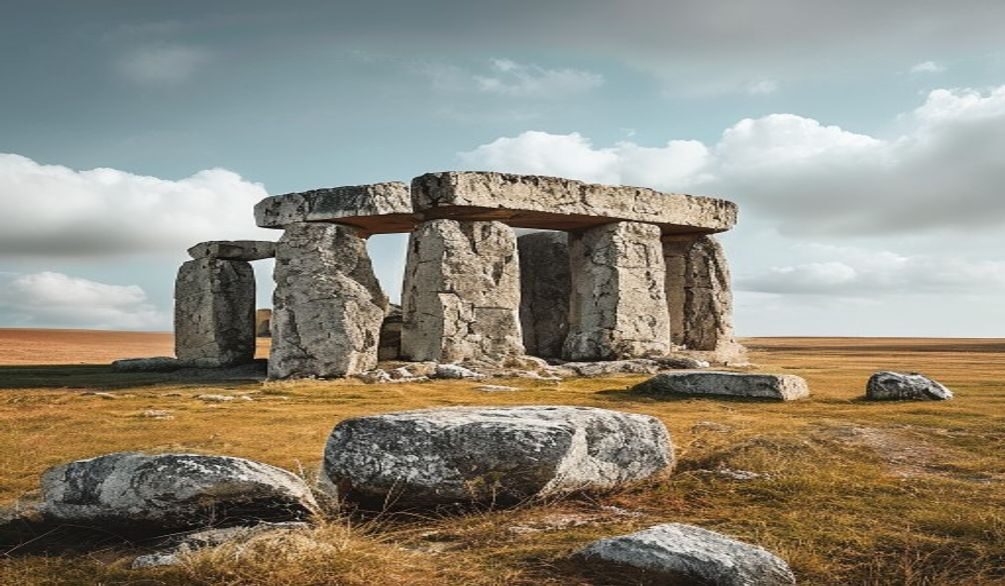
Key Takeaways
- Göbekli Tepe in Turkey dates back approximately 11,000 years, making it the world’s oldest known megalithic site, according to Live Science (2025).
- The Carnac Megaliths and the Shores of Morbihan in France were officially inscribed on the UNESCO World Heritage List on July 12, 2025, as reported by PrimeKnowAll (2026).
- Valdelasilla Megalithic Cemetery, discovered in central Spain, dates to approximately 4300 B.C.E., challenging theories of coastal origins for European megaliths, according to Popular Mechanics (2026).
- A 2026 genetic study published in Nature Ecology & Evolution revealed a dramatic population collapse around 3000 BC, impacting original megalith builders in France, as detailed by ScienceDaily (2026).
- The Megalithic Portal, a community-maintained database, lists 61,870 unique archaeological sites worldwide.
Are you ready to explore humanity’s most ancient and awe-inspiring constructions? Discovering the profound history and ongoing archaeological revelations of **Ancient Megalithic Sites 2026** offers an unparalleled journey into our past. This guide will take you through the top destinations and the latest discoveries that are reshaping our understanding of prehistoric civilizations.
Quick Answer: The top ancient megalithic sites for 2026 include Göbekli Tepe, Carnac, and Malta’s Temples. New discoveries like Valdelasilla are rewriting history, emphasizing their profound significance and ongoing archaeological advancements.
What Makes Ancient Megalithic Sites 2026 So Significant?
Ancient megalithic sites are monumental structures built from large stones, offering invaluable insights into the complex societies, beliefs, and engineering prowess of prehistoric peoples. Their significance in 2026 is underscored by ongoing discoveries and advanced research techniques that continually refine our understanding of human history. For example, the discovery of a 120-meter-long sunken granite wall near Île de Sein in Brittany, France, dating between 5,800 and 5,300 BCE, suggests European megalithic construction centuries earlier than previously thought.
These sites represent some of humanity’s earliest collective endeavors, built without metal tools or the wheel. They are tangible links to our ancestors, revealing sophisticated astronomical knowledge, social organization, and ritual practices that predate written history. The sheer scale and precision of these ancient stone circles and structures continue to astound researchers and visitors alike.
What most people miss is that the study of **Ancient Megalithic Sites 2026** is not static; it’s a dynamic field with new technologies like LiDAR and DNA analysis constantly revealing previously unknown details. These advancements help us piece together the stories of the people who built these monumental structures, offering a richer, more nuanced view of prehistoric archaeology. Understanding their purpose, whether for burial, ceremony, or celestial observation, remains a central focus of archaeological inquiry today.
Göbekli Tepe: The World’s Oldest Megalithic Marvel
Göbekli Tepe, located in southeastern Turkey, is widely recognized as the world’s oldest known megalithic site, a title it firmly holds in 2026. This incredible complex dates back approximately 11,000 years, making it more than double the age of Stonehenge, according to Live Science (2025). Its discovery revolutionized our understanding of early human civilization, suggesting that complex religious or ceremonial centers might have predated settled agricultural societies.
The site features massive T-shaped pillars, some weighing up to 20 tons, intricately carved with reliefs of animals such as boars, foxes, lions, and birds. These ancient stone circles were deliberately buried around 8,000 BCE, preserving them for millennia. The builders were hunter-gatherers, a fact that challenges previous archaeological theories about the origins of monumental architecture.
Göbekli Tepe’s significance lies in its demonstration of sophisticated social organization and artistic expression long before the advent of agriculture. It forces us to reconsider the timeline of human societal development and the impetus behind building such immense structures. Visiting this site is an essential journey for anyone interested in the very beginnings of human civilization and the earliest **Ancient Megalithic Sites 2026**.
Carnac Megaliths: A New UNESCO World Heritage Journey for 2026
The Carnac Megaliths, located in Brittany, France, offer one of the most extensive and enigmatic collections of prehistoric standing stones in the world. These remarkable alignments, comprising over 3,000 menhirs, were officially inscribed on the UNESCO World Heritage List on July 12, 2025, at the 47th session of the World Heritage Committee, according to PrimeKnowAll (2026). This new status elevates their global recognition and ensures enhanced conservation efforts for these ancient stone circles.
The purpose of the Carnac stones remains a subject of intense debate among archaeologists, with theories ranging from astronomical observatories to ritualistic sites or even ancient military formations. They were erected by pre-Celtic people of Brittany, likely between 4500 BCE and 3300 BCE. The precision of their alignment across vast distances is a testament to the advanced knowledge of their builders.
Becoming a UNESCO World Heritage site marks a pivotal moment for these **Ancient Megalithic Sites 2026**. It highlights their outstanding universal value and cultural significance, drawing increased attention from global visitors and researchers. This designation reinforces the importance of preserving such unique prehistoric monuments for future generations to study and appreciate.
Megalithic Temples of Malta: Unraveling Ancient Mysteries
The Megalithic Temples of Malta are a series of extraordinary prehistoric religious structures, distinguished by their unique architectural style and incredible age. These temples, including Ħaġar Qim, Mnajdra, and Tarxien, are some of the oldest freestanding stone structures in the world, predating even the Egyptian pyramids, with construction beginning around 3600 BCE. The UNESCO World Heritage site description praises them as “unique architectural masterpieces, given the limited resources available to their builders.”
These sophisticated structures were built using coralline limestone and globigerina limestone, materials quarried and transported with immense effort. The temples feature intricate designs, including oracle holes, altars, and decorative carvings, hinting at complex rituals and a developed belief system. Their construction involved advanced engineering and astronomical alignment, reflecting a deep understanding of the cosmos.
Exploring these **Ancient Megalithic Sites 2026** on Malta offers a glimpse into a highly advanced, peaceful civilization that flourished for over a millennium. The precision and artistry evident in these prehistoric monuments continue to inspire awe and fuel ongoing research into their builders’ culture and purpose. Their exceptional preservation provides a rare window into a vanished era.
Valdelasilla Megalithic Cemetery: Rewriting Europe’s Prehistory
The Valdelasilla Megalithic Cemetery in central Spain is a groundbreaking discovery that is actively rewriting the narrative of early European megalithism in 2026. This 6,300-year-old grave site, unearthed in 2020, dates to approximately 4300 B.C.E., challenging the long-held theory that megalithic traditions spread primarily via maritime routes from the coasts, according to Popular Mechanics (2026). Its inland location suggests a more complex, multi-origin development for these ancient structures.
What makes Valdelasilla particularly significant is its construction from wood, clay, and small stones, rather than massive granite blocks. Dr. Rosa Barroso Bermejo of the University of Alcala and her colleagues, in the Cambridge Archaeological Journal (2026), stated, “The burial chambers, although built with walls of wood, clay, and small stones, are far from rudimentary and were designed for permanence and for visibility.” This demonstrates a sophisticated inland architectural know-how that utilized locally available resources.
The Valdelasilla discovery underscores the importance of continued archaeological exploration and illustrates how new finds can dramatically shift established paradigms about **Ancient Megalithic Sites 2026**. It highlights a broader and more diverse origin for megalithic structures across Europe, moving beyond a singular coastal diffusion model. This site provides crucial evidence for the ingenuity and adaptability of early human societies.
Beyond the Top 5: Other Essential Ancient Megalithic Sites to Explore
While the top five sites offer incredible insights, numerous other **Ancient Megalithic Sites 2026** around the globe provide equally compelling journeys into prehistory. These sites, though perhaps less famous, contribute significantly to our understanding of ancient cultures and their monumental achievements. Exploring them offers a deeper appreciation for the widespread nature of megalithic traditions.
Consider these additional significant sites:
- Stonehenge (England): Perhaps the most iconic ancient stone circle, dating from 3000-2000 BCE, renowned for its astronomical alignments.
- Avebury (England): A vast Neolithic henge monument containing three stone circles, larger and older than Stonehenge, offering a powerful sense of ancient ritual landscape.
- Carrowmore Megalithic Tombs (Ireland): One of the largest and oldest megalithic cemeteries in Ireland, with over 30 passage tombs, dating back to 3700-3500 BCE. Recent non-invasive geophysical surveys in 2025-2026 identified 26 previously unrecorded monuments, according to the Carrowmore Megalithic Tombs project, revealing an even richer ritual landscape.
- Newgrange (Ireland): A magnificent passage tomb within the Brú na Bóinne complex, famous for its winter solstice illumination, dating to approximately 3200 BCE.
- The Megalithic Portal’s database lists 61,870 unique archaeological sites, demonstrating the vast number of these prehistoric monuments worldwide, with approximately 65% located in the United Kingdom, Ireland, and France.
These sites, whether well-known or newly investigated, continue to reveal the ingenuity and spiritual depth of our ancestors. Professor David Kennedy of the University of Western Australia, who has been cross-referencing satellite imagery with aerial photographs since 1978, has cataloged more than a thousand circular stone structures (wheels) in the basalt fields of eastern Jordan and Syria alone, some dating back at least 8,500 years. These vast networks further emphasize the global prevalence of impressive ancient stone circles and structures.
Planning Your Essential Journey to Ancient Megalithic Sites 2026
Planning a trip to **Ancient Megalithic Sites 2026** requires thoughtful consideration to ensure a rewarding and responsible experience. Researching specific site access, local customs, and optimal visiting times is crucial for making the most of your journey. Many of these prehistoric monuments are located in remote areas, so transportation and accommodation need to be arranged in advance.
When planning your itinerary, consider the following:
- Official Websites: Always check the official site or local tourism board websites for the most up-to-date information on opening hours, entrance fees, and any temporary closures.
- Guided Tours: For deeper insights, consider hiring a knowledgeable local guide. They can often provide historical context and fascinating stories not readily available elsewhere, enriching your understanding of these megalithic structures purpose.
- Responsible Tourism: Practice responsible megalithic tourism by respecting site rules, staying on marked paths, and avoiding touching or disturbing the ancient stones. This helps preserve these irreplaceable prehistoric monuments for future generations.
- Weather and Season: Research the best time of year to visit. For example, some sites might be more enjoyable in cooler months, while others might offer unique experiences during solstices or equinoxes.
The transformative experience of standing before these ancient stone circles and structures is truly profound. It connects you directly to the ingenuity and spiritual lives of people who lived thousands of years ago, making it an essential journey for any history enthusiast. Many of these UNESCO World Heritage sites offer visitor centers with educational exhibits, further enhancing your understanding of **Ancient Megalithic Sites 2026**.
Conservation and Future of Megalithic Archaeology in 2026
The conservation of **Ancient Megalithic Sites 2026** is a pressing global concern, with ongoing efforts focused on protecting these irreplaceable prehistoric monuments from environmental degradation, climate change, and the impacts of tourism. Organizations like UNESCO and the Archaeological Institute of America (AIA) play critical roles in funding and implementing preservation projects worldwide. For instance, the AIA’s 2026 Site Preservation Grants are actively supporting initiatives like the Kanjera Archaeological Site Preservation Project in Kenya, which focuses on conserving globally important early human sites.
The future of megalithic archaeology in 2026 is exceptionally dynamic, driven by new technologies and interdisciplinary research. A 2026 genetic study of 132 individuals from a French megalithic tomb near Bury, for example, revealed a dramatic population collapse and replacement around 3000 BC, with the new population being genetically unrelated to the original builders, according to ScienceDaily (2026). Martin Sikora, an associate professor at the University of Copenhagen and senior author of this study, noted, “We now see that end of these monumental constructions coincides with the disappearance of the population that built them.” Laure Salanova, research director at France’s National Centre for Scientific Research (CNRS), commented that “The decline was likely driven by a combination of disease, environmental stress and other disruptive events.”
These advancements, including DNA analysis and sophisticated remote sensing techniques like UAV-acquired thermal and orthophotography, are revealing unprecedented details about the builders of these **Ancient Megalithic Sites 2026**. The commitment to both preserving existing sites and discovering new ones ensures that the mysteries of these ancient structures will continue to captivate and inform us for generations to come. The UNESCO World Heritage List contained 1,248 properties across 170 countries after the 47th session in July 2025, highlighting the vast scope of global heritage preservation.
Frequently Asked Questions
What is the oldest megalithic site in the world?
The oldest megalithic site in the world is Göbekli Tepe in southeastern Turkey. This monumental complex dates back approximately 11,000 years, according to Live Science (2025). Its discovery profoundly reshaped our understanding of early human civilization and the origins of complex societies.
Which megalithic sites are UNESCO World Heritage Sites?
Many significant megalithic sites are UNESCO World Heritage Sites, including the Megalithic Temples of Malta and, as of July 12, 2025, the Carnac Megaliths and the Shores of Morbihan in France. These designations recognize their outstanding universal value and ensure their protection. Planning a visit to these sites supports their ongoing conservation efforts.
What was the purpose of ancient megalithic structures?
The purpose of ancient megalithic structures is varied and often debated, ranging from burial chambers and ceremonial centers to astronomical observatories. For instance, the alignments at Stonehenge suggest astronomical significance, while the Valdelasilla cemetery clearly served as a grave site. Understanding their function provides crucial insights into the beliefs and daily lives of prehistoric cultures.
Are there megalithic sites older than Stonehenge?
Yes, there are many megalithic sites significantly older than Stonehenge, which dates from 3000-2000 BCE. Göbekli Tepe, dating back 11,000 years, is the prime example, and the Megalithic Temples of Malta began construction around 3600 BCE. These older sites demonstrate that monumental building traditions were established much earlier than previously thought.
What are some lesser-known megalithic sites to visit?
Beyond the most famous sites, lesser-known megalithic sites to visit include the Carrowmore Megalithic Tombs in Ireland and the Valdelasilla Megalithic Cemetery in Spain. These sites offer equally rich historical contexts and unique architectural features for those seeking to explore beyond mainstream destinations. Consulting resources like The Megalithic Portal can help you discover many more such fascinating locations.
Exploring **Ancient Megalithic Sites 2026** is more than just a trip; it’s an immersive journey into the dawn of human civilization, revealing the ingenuity and spiritual depth of our ancestors. With ongoing discoveries and conservation efforts, these prehistoric monuments continue to challenge our understanding of the past and inspire awe for the future. Plan your essential journey today to witness these incredible testaments to human history and connect with the enduring mysteries of our world.
 Pooja Raturi