
Key Takeaways
- The combined measure of cancer screenings increased 15% between 2022 and 2024, according to the America’s Health Rankings 2025 Annual Report.
- 73% of adults are behind on at least one routine cancer screening in 2026, with cost as a top reason, as revealed by the Prevent Cancer Foundation’s 2026 Early Detection Survey.
- Regular blood pressure checks are vital as high blood pressure often presents without symptoms, according to the American Heart Association (AHA) (2026).
- The United States Preventive Services Task Force (USPSTF) provides “A” or “B” grade recommendations for many preventive screenings, indicating substantial net benefit (2026).
- Integrating personal health data from wearables can inform a more precise and proactive health strategy, enhancing the value of your annual physical exam (2026).
Are you wondering how to stay ahead of potential health issues and maintain your well-being in the coming year? Navigating the landscape of preventive care can feel overwhelming, but understanding your options for Essential Health Screenings 2026 is the first step toward a proactive health journey. This guide will provide a personalized roadmap to the most crucial health screenings, ensuring you have the knowledge to safeguard your health effectively.
Quick Answer: Regular health screenings, including blood pressure, cholesterol, glucose, and age-appropriate cancer checks, are crucial in 2026. They enable early detection of silent conditions, ensuring timely intervention and improving long-term health.
Why are Essential Health Screenings Crucial in 2026?
Essential Health Screenings 2026 are paramount because many serious health conditions, such as heart disease, diabetes, and various cancers, often develop without noticeable symptoms until they are advanced. Early detection through these screenings significantly improves treatment outcomes and can even prevent diseases from progressing, according to the Centers for Disease Control and Prevention (CDC) (2026). What most people miss is that waiting for symptoms can mean missing the most effective window for intervention.
Preventive health care isn’t just about reacting to illness; it’s about proactively safeguarding your future. These screenings act as an early warning system, allowing you and your doctor to identify risk factors or nascent conditions before they become critical. This proactive approach can lead to simpler treatments, better recovery rates, and a higher quality of life.

The United States Preventive Services Task Force (USPSTF) consistently emphasizes the importance of preventive services, issuing “A” or “B” grade recommendations for screenings with high or moderate net benefit for patients (2026). These recommendations cover a wide range of conditions, from abdominal aortic aneurysms to anxiety disorders, underscoring the broad impact of regular checks. Understanding the value of Essential Health Screenings 2026 means embracing a strategy that prioritizes long-term wellness.
What are the Top 5 Essential Health Screenings Everyone Needs in 2026?
The top 5 Essential Health Screenings Everyone Needs in 2026 include blood pressure, cholesterol, blood glucose, and age-appropriate cancer screenings such as colorectal and breast cancer checks. These core screenings form the bedrock of preventive health care, targeting conditions that are widespread and often asymptomatic in their early stages. Prioritizing these elements of Essential Health Screenings 2026 can make a significant difference in your long-term health trajectory.
Here are the top 5 essential health screenings to consider:
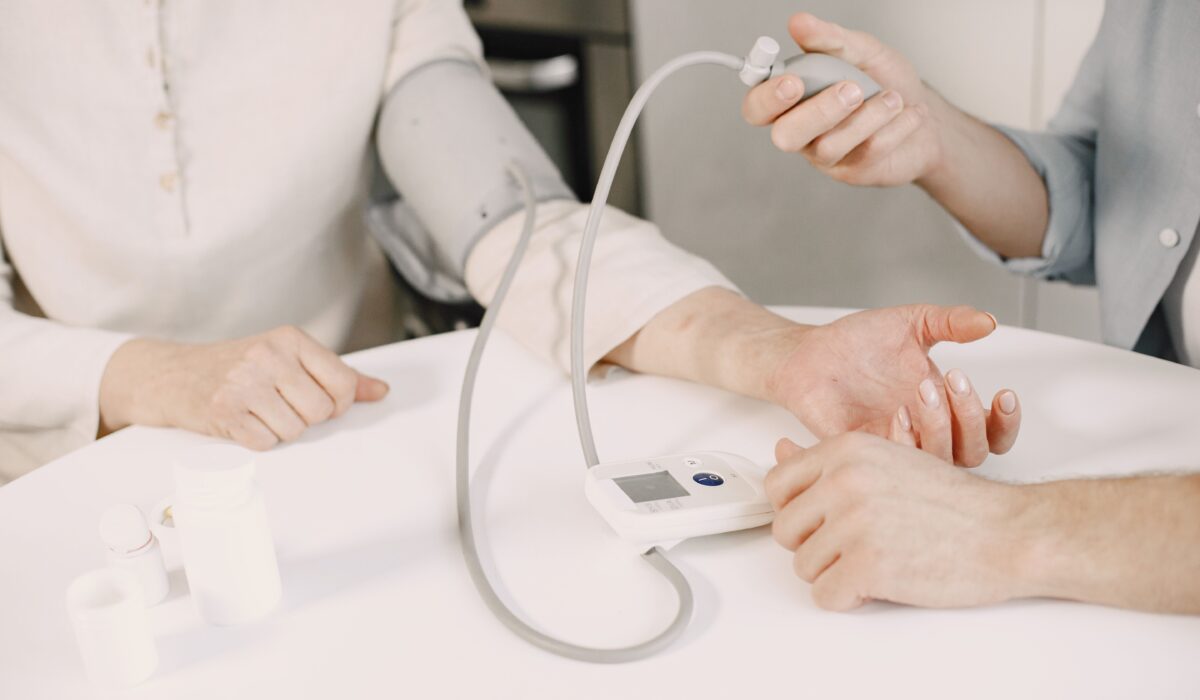
- Blood Pressure Screening: High blood pressure, or hypertension, usually has no symptoms and cannot be detected without being measured, according to the American Heart Association (AHA) (2026). Regular checks can identify hypertension early, reducing your risk of heart attack, stroke, and kidney disease.
- Cholesterol (Lipid Panel) Screening: This blood test measures your levels of LDL (“bad”) cholesterol, HDL (“good”) cholesterol, and triglycerides. High cholesterol often indicates an increased risk for heart disease, making it a critical component of Essential Health Screenings 2026.
- Blood Glucose (Diabetes) Screening: Tests like the A1C or fasting glucose check for prediabetes or type 2 diabetes. During August 2021-August 2023, 72% of adults aged 20 and over had excess body weight, a significant risk factor for diabetes, according to the American Cancer Society (ACS) (2025-2026). Early detection allows for lifestyle changes or medication to manage blood sugar levels effectively.
- Colorectal Cancer Screening: For individuals aged 45 and older, screenings like a Colonoscopy or stool-based tests (FIT, sDNA) are crucial. Dr. Andrew Bedford, a Northeast Medical Group gastroenterologist, states that removing pre-cancerous polyps during a Colonoscopy essentially vaccinates patients against colon cancer (2026).
- Breast Cancer Screening (Mammography): The American Cancer Society (ACS) recommends that women aged 40 to 44 have the choice to start annual breast cancer screening with Mammograms, with women aged 45 to 54 getting Mammograms every year (2026). Early detection dramatically improves survival rates.
These five screenings represent key areas where early intervention can prevent serious health complications. Discussing these specific options with your healthcare provider will ensure you tailor your preventive health care plan effectively. Incorporating these into your routine is a foundational step for Essential Health Screenings 2026.
Health Screenings by Age and Gender: Your Personalized Roadmap
Creating a personalized roadmap for your Essential Health Screenings 2026 involves considering your age, gender, family history, and lifestyle factors beyond general recommendations. While universal screenings apply, specific guidelines shift as you age and based on biological differences. This personalized approach ensures that your preventive health check-up checklist by age 2026 is truly effective.
For instance, cervical cancer screening guidelines were updated in January 2026 by the Health Resources and Services Administration (HRSA), including the option for women ages 30 to 65 to self-collect samples for testing. This highlights the evolving nature of recommendations and the importance of staying informed. Your doctor will help you understand which Essential Health Screenings 2026 are most relevant to you.
Screenings for Men
Men generally require prostate cancer screenings (PSA blood tests) starting around age 50, or earlier if they have a family history of the disease. Beyond this, general screenings like blood pressure, cholesterol, and diabetes checks are universally important. Discussing your family history of heart disease or certain cancers is vital for tailoring your Essential Health Screenings 2026.
Screenings for Women
Women’s health screenings include regular Pap tests and HPV tests for cervical cancer, typically starting in their 20s. Mammography for breast cancer is crucial, with specific guidelines varying by age and risk factors, as recommended by the American Cancer Society (ACS) (2026). Bone density screenings (DEXA scans) may also become important for women as they approach menopause, addressing a key aspect of personalized health roadmap considerations for Essential Health Screenings 2026.
Navigating Costs & Insurance for Your 2026 Health Screenings
Navigating the costs and insurance coverage for your 2026 Health Screenings is a significant concern for many, but most preventive services are covered at no out-of-pocket cost under the Affordable Care Act (ACA). A 2026 survey by the Prevent Cancer Foundation revealed that 73% of adults reported being behind on at least one routine cancer screening, with cost being a top reason. It’s crucial to understand your benefits to avoid unexpected expenses when seeking Essential Health Screenings 2026.
Many comprehensive health insurance plans, including those offered through the ACA marketplace and employer-sponsored plans, are mandated to cover a wide range of preventive services without requiring a copay, coinsurance, or deductible. This includes screenings for blood pressure, cholesterol, diabetes, and most recommended cancer screenings like Mammography and Colonoscopy. Always verify your specific plan details.
The key insight here is to proactive engage with your insurance provider. Before scheduling your annual physical exam and associated screenings, contact your insurance company directly. Inquire about which specific Essential Health Screenings 2026 are covered and any requirements, such as network providers or prior authorizations. This simple step can alleviate financial anxiety and ensure you receive the care you need.
Beyond Basics: Leveraging Technology & Advanced Screenings in 2026
Leveraging modern technology and advanced screenings offers deeper insights into your health, going beyond basic checks to enhance your Essential Health Screenings 2026. Wearable health tech and AI-based risk prediction tools are transforming preventive healthcare, allowing for continuous self-monitoring and more informed discussions with healthcare providers. This integration of personal data into your health roadmap is a game-changer for Essential Health Screenings 2026.
For instance, devices that track heart rate variability, sleep patterns, and activity levels can provide a holistic view of your physiological state. This data, when shared with your doctor, can inform more precise recommendations for your preventive health care. What most people miss is that these tools aren’t just for fitness enthusiasts; they are powerful resources for anyone committed to proactive health.
Advanced diagnostic tools also play a role in personalized prevention. VO₂ Max tests can assess cardiovascular fitness and predict longevity, while DEXA scans offer precise bone density measurements. Coronary Artery Calcium (CAC) scores provide a detailed assessment of heart disease risk, offering insights beyond a standard lipid panel. These specialized options, while not part of routine Essential Health Screenings 2026 for everyone, can be invaluable for individuals with specific risk factors or concerns. For more on cutting-edge health tech, you might explore Top 5 Medical Innovations 2026.
How Often Should You Get Preventive Health Screenings?
The frequency for your Essential Health Screenings 2026 depends on your age, gender, risk factors, and the specific screening, though many individuals benefit from an annual physical exam. There’s no one-size-fits-all answer, but national guidelines from organizations like the United States Preventive Services Task Force (USPSTF) provide excellent starting points. Understanding these guidelines is crucial for maintaining your personalized health roadmap.
For example, blood pressure should ideally be checked at least every two years for adults with normal readings, or annually if you have risk factors or readings above normal, according to the American Heart Association (AHA) (2026). Cholesterol screenings typically start in your 20s and are recommended every 4-6 years for adults at low risk, with more frequent checks for those with elevated risk factors. These regular checks are foundational to Essential Health Screenings 2026.
Cancer screening guidelines also vary significantly. Mammography is often recommended annually for women aged 40-54, while Colonoscopy screenings for colorectal cancer are generally advised every 10 years for average-risk individuals aged 45 and older. Your doctor will synthesize these general recommendations with your individual health profile to determine the optimal schedule for your Essential Health Screenings 2026, ensuring you receive timely and appropriate care.
Benefits of Early Detection: A Proactive Approach to Health
The benefits of early detection through Essential Health Screenings 2026 are profound, fundamentally shifting health management from reactive treatment to proactive prevention. Identifying diseases in their earliest stages often leads to less invasive treatments, better long-term outcomes, and a significantly improved quality of life. This proactive approach is the cornerstone of effective preventive health care.
Consider colorectal cancer: by having a Colonoscopy, patients are “vaccinating themselves against colon cancer” because removing pre-cancerous polyps essentially removes the risk of colon cancer, as stated by Dr. Andrew Bedford (2026). This powerful example illustrates how early intervention can prevent a serious disease from ever developing. Such proactive steps are central to the value of Essential Health Screenings 2026.
Furthermore, early detection can reduce the emotional and financial burden of advanced disease. Treating conditions when they are less severe typically requires fewer resources and causes less disruption to your daily life. Embracing Essential Health Screenings 2026 means investing in your future health, allowing you to live a fuller, healthier life with greater peace of mind. This commitment to early disease detection is one of the most impactful decisions you can make for your well-being.
Frequently Asked Questions
What are the most important health screenings to get?
The most important health screenings include regular blood pressure, cholesterol, and blood glucose checks, alongside age-appropriate cancer screenings like Mammography and Colonoscopy. These target widespread conditions that often lack early symptoms, enabling crucial early detection, according to the Centers for Disease Control and Prevention (CDC) (2026). Prioritizing these few can significantly impact your long-term health.
What health screenings do I need at my age?
The health screenings you need depend on your age, gender, and individual risk factors, with general guidelines provided by bodies like the United States Preventive Services Task Force (USPSTF). For instance, women aged 40-44 have the choice to start annual Mammograms, while colorectal cancer screening typically begins at age 45, according to the American Cancer Society (ACS) (2026). Consult your doctor for a personalized screening schedule based on your unique health profile.
How often should I get preventive health screenings?
The frequency of preventive health screenings varies by test and individual risk, but many adults benefit from an annual physical exam. Blood pressure is often checked annually, while cholesterol screenings may be every 4-6 years for low-risk individuals, according to the American Heart Association (AHA) (2026). Your healthcare provider can establish a tailored schedule to ensure optimal preventive care.
Why are annual health check-ups important?
Annual health check-ups are important because they provide a comprehensive overview of your health, allowing for early detection of potential issues and updates to your preventive care plan. They are an opportunity to discuss lifestyle factors, review medication, and ensure you are up-to-date on all recommended screenings, as emphasized by the American Medical Association (2026). These regular visits are a cornerstone of maintaining good health.
Are preventive screenings covered by insurance in 2026?
Yes, most preventive screenings are covered by insurance in 2026 at no out-of-pocket cost under the Affordable Care Act (ACA) and many other health plans. However, 73% of adults are behind on at least one routine cancer screening due to cost concerns, as revealed by the Prevent Cancer Foundation’s 2026 Early Detection Survey. Always confirm specific coverage details with your insurance provider before scheduling.
Taking charge of your health in 2026 means prioritizing Essential Health Screenings 2026 as a fundamental part of your wellness journey. These preventive measures are not just medical appointments; they are investments in your future vitality and peace of mind. Don’t wait for symptoms to appear; talk to your healthcare provider today to create your personalized screening roadmap and schedule your next essential check-ups.