
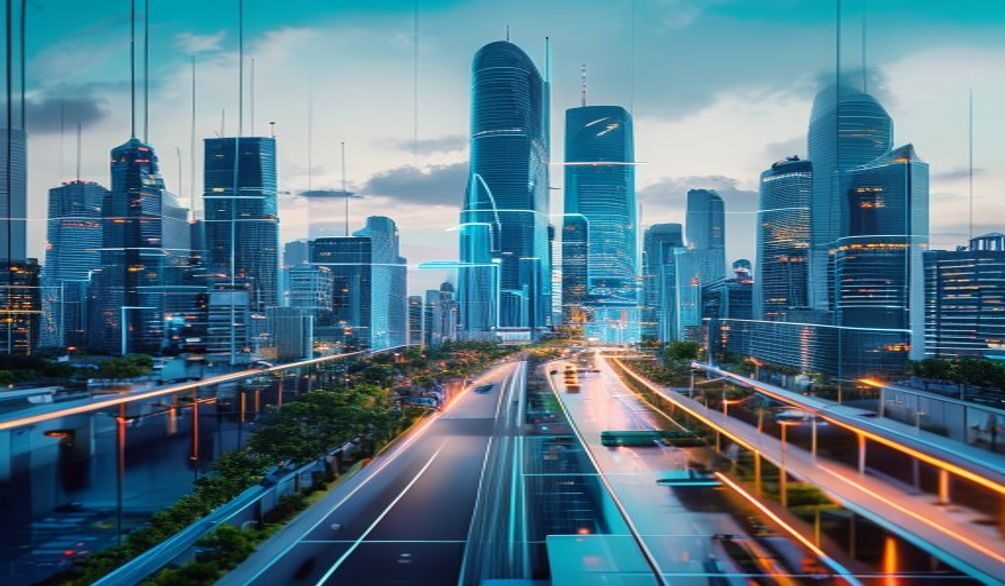
Key Takeaways
- The global smart city technologies market is projected to reach USD 841.67 billion in 2026, according to market analysis.
- Hardware components are expected to account for 43.5% of the smart city technologies market in 2026.
- Smart transportation solutions are anticipated to dominate smart city applications, holding a 29.1% market share in 2026.
- AI traffic optimization can cut travel times by 25% and reduce emissions by 20%, demonstrating significant urban impact.
- Zurich, Switzerland, ranked first in the IMD Smart City Index 2025, excelling in infrastructure and public services.
Navigating the complexities of modern urban environments requires a sophisticated approach, and understanding the **Essential Smart City Technologies 2026** is crucial for anyone involved in urban planning, technology, or simply curious about the future of cities. This guide will illuminate the core innovations, their interconnectedness, and the strategic frameworks driving integrated, citizen-centric urban transformation.
Quick Answer: The essential smart city technologies for 2026 include advanced AI, pervasive IoT sensors, 5G/6G connectivity, robust data analytics, smart mobility solutions, digital twins, and sustainable energy systems, all working towards integrated, citizen-centric urban transformation.
What Defines Essential Smart City Technologies in 2026?
**Essential Smart City Technologies 2026** are defined by their capacity to create integrated, data-driven urban ecosystems that enhance sustainability, efficiency, and the quality of life for residents. The global smart city technologies market is expected to be valued at **USD 841.67 billion in 2026**, underscoring the significant investment and growth in this sector. These technologies are no longer isolated pilot projects; they form interconnected systems that leverage digital transformation to address complex urban challenges.
What most people miss is that true smart city solutions 2026 prioritize interoperability. This ensures that various systems, from traffic management to waste collection, can communicate and share data seamlessly. Capgemini states that “the global smart city landscape has moved decisively beyond the era of often isolated technology-led pilot projects. Instead, as we progress through 2026, the landscape is increasingly characterized by data-driven insights projects.” This shift highlights the importance of analytics and actionable intelligence.

The core of effective smart infrastructure lies in its ability to adapt and evolve. Urban innovation is driven by technologies that offer flexibility and scalability, allowing cities to implement solutions that grow with their needs. The focus is on creating resilient urban environments that can respond to environmental, social, and economic pressures.
What are the Main Technologies Used in Smart Cities Today?
The main technologies used in smart cities today encompass a diverse array of innovations, including artificial intelligence (AI), Internet of Things (IoT) sensors, advanced connectivity like 5G and 6G, sophisticated data analytics, smart mobility solutions, digital twins, and sustainable energy systems. The hardware segment is projected to lead the smart city technologies market, holding a significant share of **43.5% in 2026**, according to market projections. These components form the backbone of modern urban operations.
In practice, these **Essential Smart City Technologies 2026** work in concert to deliver integrated services. From managing traffic flow to monitoring air quality, each technology plays a vital role in the broader urban ecosystem. The synergy between these elements is what truly defines a smart city.
Artificial Intelligence (AI) and Predictive Analytics
AI in cities is transforming urban management by enabling predictive analytics and automated decision-making. AI-powered systems can analyze vast datasets from IoT sensors to forecast traffic congestion, optimize energy consumption, or enhance public safety. For instance, AI traffic optimization has been shown to cut travel times by **25%** and reduce emissions by **20%**, according to recent studies. This capability allows cities to proactively address issues rather than react to them.
Internet of Things (IoT) Sensors
IoT sensors are the eyes and ears of the smart city, collecting real-time data on everything from environmental conditions to infrastructure integrity. These pervasive sensors are critical for monitoring and managing various urban services. IoT waste bins, for example, have reduced overflow incidents by **80%**, while pneumatic systems have lowered waste-truck runs by **90%**, as reported by industry analyses. This data feeds into central platforms, informing smarter urban development 2026.
5G/6G Connectivity
High-speed, low-latency 5G and emerging 6G networks are fundamental for supporting the massive data flow required by smart cities. This advanced connectivity enables instantaneous communication between devices, critical for applications like autonomous vehicles and real-time public safety systems. Reliable network infrastructure is paramount for the seamless operation of all **Essential Smart City Technologies 2026**.
Data Analytics and Digital Twins
Robust data analytics platforms process the information gathered by IoT sensors and other sources, turning raw data into actionable insights. Digital twins, virtual replicas of physical urban environments, use this data to simulate scenarios, test interventions, and optimize urban planning. These tools are indispensable for informed decision-making and fostering smart urban development 2026.
Smart Mobility Solutions
Smart mobility solutions aim to reduce congestion, improve public transport, and promote sustainable travel options. This includes intelligent traffic management systems, electric vehicle charging infrastructure, and integrated public transit apps. The smart transportation segment is anticipated to dominate smart city applications with a **29.1% share in 2026**, reflecting its critical role in urban life. Waymo, for example, is rapidly expanding its robotaxi services, planning to add over 20 more cities in 2026, including London and Tokyo, showcasing the future of autonomous transit.
How Do Smart City Technologies Create Integrated Urban Ecosystems?
**Essential Smart City Technologies 2026** create integrated urban ecosystems by fostering interoperability and data sharing across disparate municipal systems, enabling a holistic approach to urban management. This interconnectedness allows for comprehensive data-driven cities where insights from one sector can inform decisions in another, optimizing resource allocation and service delivery. Jean-Philippe Duval, Government and Public Services Leader at PwC, explained that “It’s not all about collecting data. It’s sharing it, governing, turning it into services that people trust,” highlighting the importance of a unified data strategy.
The key insight here is that an integrated ecosystem moves beyond siloed departments. Instead, it builds a common operational picture that enhances urban resilience and efficiency. This approach allows for predictive analytics that can anticipate problems before they arise, from infrastructure maintenance needs to potential public safety concerns.

Digital transformation within cities involves breaking down barriers between public services, utilities, and transportation networks. By leveraging common data platforms and open APIs, cities can ensure that their smart city innovations 2026 are not only advanced but also collaborative. This collaborative framework is essential for truly transformative urban innovation.
Ensuring Citizen-Centric Design and Digital Inclusion
Ensuring citizen-centric design and digital inclusion is paramount for the ethical and equitable deployment of **Essential Smart City Technologies 2026**, focusing on solutions that are accessible, intuitive, and beneficial for all residents. This approach means prioritizing the human element in urban development, addressing concerns such as data privacy and the digital divide. Smart urban development 2026 must actively work to bridge technology gaps.
What most people miss is that smart cities aren’t just about technology; they’re about people. Designing solutions with direct citizen input helps ensure relevance and adoption. This includes providing public Wi-Fi access, digital literacy programs, and accessible interfaces for smart services, ensuring that no segment of the population is left behind in the digital transformation.
Privacy concerns are a significant aspect of citizen-centric design. Implementing robust data governance frameworks and transparent policies builds trust among residents. Cities must clearly communicate how data is collected, used, and protected, adhering to best practices in data security.
Governance and Funding Models for Smart City Success in 2026
Effective governance and innovative funding models are critical enablers for the successful implementation and scaling of **Essential Smart City Technologies 2026**, providing the necessary policy frameworks and financial resources. North America is expected to lead the smart city technologies market with a share of **34.2% in 2026**, a dominance attributed to strong government policies and the presence of major tech companies. This regional leadership underscores the importance of a supportive regulatory environment.
The short answer is that technology alone isn’t enough; robust leadership and financial ingenuity are vital. Public-private partnerships are becoming increasingly common, pooling resources and expertise from both municipal governments and technology firms. Clarence Anthony, CEO and executive director of the National League of Cities, noted that “local leaders will remain steadfast in delivering meaningful results, strengthening local economies and improving the quality of life for their residents,” highlighting the local commitment to these initiatives.

Innovative funding models, such as green bonds or impact investing, are also gaining traction to support sustainable urbanism. These approaches help finance projects that align with environmental and social goals. Clear data privacy policies and ethical guidelines are also essential governance components that build public trust and ensure responsible deployment of smart city solutions 2026.
Real-World Examples of Smart City Technology in Action
Real-world examples demonstrate how **Essential Smart City Technologies 2026** are actively transforming urban environments, delivering tangible benefits across various sectors. Cities like Singapore, Barcelona, Copenhagen, and Seoul are recognized leaders, leveraging these innovations to enhance sustainability, mobility, and public services. Zurich, Switzerland, for instance, ranked first in the IMD Smart City Index 2025, excelling in urban infrastructure, healthcare, and public services, showcasing comprehensive smart city implementation.
These cities provide blueprints for effective smart urban development 2026. Their successes highlight the power of integrated strategies.
* **Traffic Management:** Google’s Project Green Light is a prime example of AI in action, optimizing traffic signals to reduce stops by up to **30%** and emissions at intersections by up to **10%**, according to Google (2026). This directly impacts daily commutes and environmental quality.
* **Public Safety:** Dallas’s Red Cloud neighborhood implemented a pilot program featuring AI-enabled cameras, upgraded LED streetlights, and environmental sensors, which has led to a reduction in crime rates. AI security analytics report up to **40% crime reduction** and **35% faster response times**, according to industry reports. The City of Scottsdale was also recognized for its AI-powered real-time crime center and drone-as-first-responder program, demonstrating integrated public safety approaches.
* **Energy Efficiency & IoT Platforms:** San Diego, CA, invested $30 million in 2017 to install 4,200 LED smart lights and traffic sensors, saving over $3 million annually in power usage and creating one of the largest smart city sensor platforms. This initiative showcases how IoT sensors can drive significant operational savings. These examples underscore the practical applications of **Essential Smart City Technologies 2026**.
What is the Future of Smart City Technology?
The future of smart city technology will be characterized by even deeper integration, hyper-personalization, and an unwavering focus on urban resilience and sustainability, driven by the continuous evolution of **Essential Smart City Technologies 2026**. The global smart city market is projected to hit **$1.4 trillion by 2030**, indicating sustained growth and innovation beyond the current year. This expansion will see cities becoming truly adaptive and responsive organisms.
The key insight here is that future smart cities will anticipate needs rather than just reacting to them. Clémentine Flinois, COO of Clém e-Mobility, stated at VivaTech 2026 that “We can turn this data into showing where the public decisions should go,” emphasizing the predictive power of data. This means more sophisticated predictive analytics and proactive service delivery.

Further advancements in AI in cities and quantum computing will unlock new possibilities for optimizing complex urban systems. We will also see a greater emphasis on decentralized technologies, such as blockchain, for secure data management and citizen engagement. The continuous evolution of these smart city innovations 2026 will shape urban living for generations to come.
Frequently Asked Questions
What are the top 5 smart technologies?
The top 5 smart technologies include Artificial Intelligence (AI), Internet of Things (IoT) sensors, 5G/6G connectivity, advanced data analytics, and smart mobility solutions. These technologies form the core of integrated urban systems, enhancing efficiency and quality of life. The hardware segment alone is projected to hold a 43.5% share of the smart city technologies market in 2026, according to market research. Implementing these technologies requires a strategic approach to urban development.
What is the future of smart city technology?
The future of smart city technology involves deeper integration, hyper-personalization, and a strong emphasis on urban resilience and sustainability. This evolution will lead to more predictive and proactive urban services, leveraging advanced AI and data insights. The global smart city market is projected to reach $1.4 trillion by 2030, according to industry forecasts, demonstrating significant growth potential. Cities will become increasingly responsive to resident needs and environmental challenges.
What are the main technologies used in smart cities?
The main technologies used in smart cities are diverse, covering AI, IoT sensors, 5G/6G networks, data analytics, digital twins, smart mobility, and sustainable energy systems. These components work together to create efficient and livable urban environments. Smart transportation solutions are anticipated to dominate smart city applications with a 29.1% share in 2026, highlighting their pivotal role. Understanding their synergy is key to effective urban planning.
What are 3 examples of smart city technology?
Three examples of smart city technology include AI-powered traffic optimization, IoT-enabled waste management, and smart public safety systems. AI traffic solutions, like Google’s Project Green Light, can reduce stops by up to 30%, according to Google (2026). IoT waste bins have reduced overflow incidents by 80%, demonstrating efficiency gains. These examples illustrate how technology delivers tangible improvements in urban services.
How do smart city technologies create integrated urban ecosystems?
Smart city technologies create integrated urban ecosystems by enabling seamless data sharing and interoperability across various municipal services and infrastructure. This holistic approach allows for comprehensive data analysis and coordinated responses to urban challenges, moving beyond isolated solutions. Jean-Philippe Duval of PwC emphasizes that sharing and governing data are crucial for building services people trust. This integration fosters more efficient and resilient cities.
The journey towards smarter, more sustainable cities is continuously evolving, with **Essential Smart City Technologies 2026** at its forefront. By focusing on integrated systems, citizen-centric design, and robust governance, cities can harness these innovations to create truly transformative urban environments. Embrace these advancements to shape a future where technology serves humanity, enhancing every facet of urban living. Explore how your community can begin implementing these critical technologies today.