
Key Takeaways
- Derinkuyu Underground City, Turkey, reaches 85 meters deep and could shelter up to 20,000 people, according to National Geographic.
- Cappadocia’s underground cities attracted 1,322,598 tourists in the first 10 months of 2024, as reported by the local Directorate of Culture and Tourism.
- The Edinburgh Vaults welcomed over 282,000 guests in 2024, setting a new record for the attraction.
- Montreal’s RESO is the world’s largest underground complex, spanning 32 kilometers of tunnels and connecting 60 complexes.
- Global tourism is projected to contribute over 10% to the global GDP and be worth $10 trillion by 2025, according to Travel Forward.
Are you ready to dive deep into the Earth’s hidden marvels and uncover ancient secrets? This guide to the **Top Underground Cities to Visit 2026** will reveal the most fascinating subterranean attractions worldwide, offering unparalleled insights into human ingenuity and resilience. We’ll explore everything from ancient refuges to modern urban networks, providing you with all the essential information to plan your next extraordinary adventure below the surface.
Quick Answer: Visit Derinkuyu (Turkey), Napoli Sotterranea (Italy), Coober Pedy (Australia), Edinburgh Vaults (Scotland), and Montreal’s RESO (Canada) for unique underground tourism in 2026. Explore ancient history, ingenious engineering, and modern life beneath the surface for unforgettable adventures.
Top Underground Cities to Visit in 2026: An Introduction to Subterranean Tourism
Subterranean tourism offers a unique perspective on history, culture, and engineering, allowing travelers to explore worlds hidden beneath the surface. International tourist arrivals grew 2% over the first quarter of 2026, with approximately 307 million international tourists traveling, about 6 million more than the same period in 2025, according to the UN Tourism World Tourism Barometer (2026). This growth highlights a continued global appetite for distinctive travel experiences, making the **Top Underground Cities to Visit 2026** more popular than ever.
Exploring these underground cities provides an immersive journey into human ingenuity. From ancient defensive strongholds to modern climate-controlled networks, these subterranean attractions showcase incredible architectural and survival strategies. The cultural heritage preserved within these underground spaces is truly remarkable.

The allure of underground living and historical underground sites continues to draw millions. What most people miss is the sheer scale and complexity of these hidden worlds, which often extend for miles beneath bustling cities. These destinations offer a profound connection to past civilizations and their challenges.
Why Were Subterranean Cities Built? Unearthing Ancient Engineering
Subterranean cities were primarily built for protection, refuge, and climate control, offering inhabitants safety from invaders, harsh weather, or natural disasters. For instance, the extensive underground settlements in Cappadocia, Turkey, served as crucial shelters during times of conflict, allowing entire communities to disappear from sight, according to National Geographic. This strategic advantage was paramount for survival in ancient times.
Another significant reason for underground construction was environmental adaptation, particularly evident in places like Coober Pedy, Australia. Here, residents dug “dugouts” to escape the intense desert heat, maintaining a stable, cool temperature year-round. Such ingenious solutions highlight the resourcefulness of early engineers.

Hossein Hatami, governor of Abarkuh, Iran, noted that ancient underground settlements often featured sophisticated systems. “The spaces between these stone beds were turned into gardens by the ancients, and they had paths under these stone sections for ease of access, security, water transportation, and their lives,” Hatami explained (2024). This demonstrates a comprehensive approach to underground living.
Early underground architecture also allowed for efficient resource management. Qanat tunnels, for example, were vital for transporting water in arid regions. Geopolitical analyst Irina Tsukerman observed that these tunnels are “often quite deep and well-ventilated, ensuring that the water remained cool as it traveled through the underground channels.”
Derinkuyu Underground City, Turkey: The Deepest Ancient Refuge
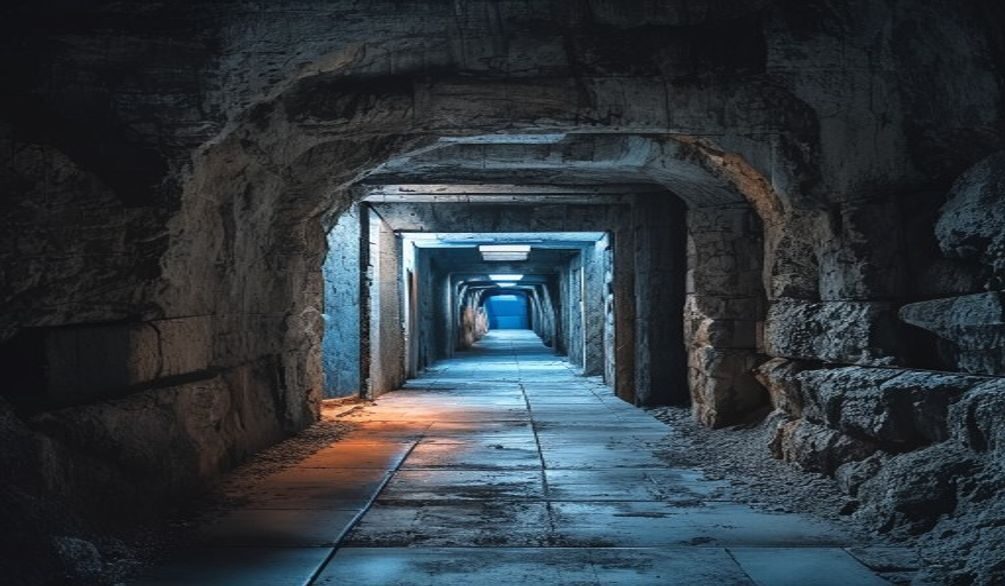
Derinkuyu Underground City in Cappadocia, Turkey, is arguably the most famous and deepest ancient underground city, reaching an astonishing 85 meters and spanning 18 levels. This incredible subterranean attraction could shelter up to 20,000 people and their livestock, complete with living quarters, stables, churches, and intricate ventilation systems, according to National Geographic. Visiting this site is a truly profound experience among the **Top Underground Cities to Visit 2026**.
Only 8 of Derinkuyu’s 18 levels are currently open to visitors, showcasing an extraordinary example of ancient underground engineering. Its massive rolling stone doors, designed to seal off passageways from invaders, are a testament to its defensive purpose. The scale of this ancient underground city is simply breathtaking.

Cappadocia’s underground cities, including Derinkuyu, attracted 1,322,598 tourists in the first 10 months of 2024, with Derinkuyu itself welcoming 453,456 visitors, as reported by the local Directorate of Culture and Tourism (2024). This popularity underscores its status as a premier tourist destination for those seeking historical underground sites. Archaeologists continue to work cautiously in these soft tuff environments.
For those interested in the challenges of excavation, “Archaeologists remain cautious. Excavation carries risks, as the soft tuff can collapse. Work continues slowly, clearing rubble and documenting spaces as they emerge,” a statement on the ongoing work in Cappadocia noted (2024). This highlights the delicate balance between exploration and preservation. If you’re looking for ancient underground cities tours, Derinkuyu is a must-see.
Napoli Sotterranea, Italy: A Layered History Beneath Naples
Napoli Sotterranea, or Naples Underground, offers an intricate network of tunnels and passageways covering over 80 kilometers, providing a fascinating glimpse into 2400 years of the city’s layered history. This subterranean attraction includes ancient Greek quarries, Roman aqueducts, and World War II bomb shelters, making it one of the most compelling **Top Underground Cities to Visit 2026**.
The tours through Napoli Sotterranea are an immersive journey, revealing how different civilizations utilized the underground spaces beneath Naples. You’ll walk through narrow passages, explore vast caverns, and witness the ingenuity of ancient Roman engineering firsthand. The site truly embodies a journey through time.

Visitors can explore a Roman theater, hidden beneath modern buildings, and see the remnants of the city’s original Greek foundations. This rich tapestry of history makes it a prime example of underground tourism experiences. The cool, constant temperature underground offers a welcome respite from Naples’ bustling streets above.
Many tour operators offer guided visits, providing detailed narratives of the site’s evolution. Securing Naples underground tour tickets in advance is highly recommended, especially during peak tourist seasons, to ensure your spot on one of these popular historical underground sites.
Coober Pedy, Australia: Living & Mining in the Opal Capital
Coober Pedy, Australia, stands out as a unique modern underground city where a significant portion of its residents live in “dugouts” to escape the extreme desert heat, earning it the title of the “Opal Capital of the World.” This fascinating town offers visitors a rare opportunity to experience underground living firsthand, making it a distinctive entry on any list of **Top Underground Cities to Visit 2026**.
The town features underground churches, hotels, and the Umoona Opal Mine & Museum, all carved directly into the earth. Exploring these subterranean structures provides a tangible understanding of how communities adapt to harsh environments. The constant, comfortable temperature underground is a stark contrast to the scorching surface.

Coober Pedy’s unique character is a direct result of its opal mining industry, which began in 1915. Miners quickly discovered that living underground offered the best refuge from the scorching temperatures, which can exceed 45°C (113°F) during summer. This practical solution evolved into a distinctive way of life.
When considering subterranean attractions, Coober Pedy offers more than just a tour; it provides an insight into a living, breathing underground community. The Umoona Opal Mine & Museum is particularly insightful, detailing the history of opal mining and showcasing incredible geological formations.
Edinburgh Vaults, Scotland: Ghostly Tales and Hidden Histories
The Edinburgh Vaults, a maze of underground rooms and corridors beneath the South Bridge, offer a chilling and historical journey into Scotland’s past, renowned for their ghostly tales and hidden histories. Originally built in the 18th century for storage, they later became a notorious slum and a site of illicit activities, making them one of the most intriguing **Top Underground Cities to Visit 2026**.
Rediscovered in 1985, the Vaults are now a popular, often ghost-themed, tourist attraction, offering guided tours that delve into their dark past. Companies like Mercat Tours and City of the Dead Tours specialize in bringing these eerie stories to life. The atmosphere within the vaults is palpable, thick with centuries of history.

The Edinburgh Vaults welcomed over 282,000 guests in 2024, a record-breaking year that surpassed 2023’s numbers by nearly 25,000, according to local tourism reports (2025). This impressive visitation highlights the enduring appeal of these subterranean attractions and their unique blend of history and mystery. The experience is often described as both educational and thrilling.
Visitors explore the damp, dark chambers, hearing tales of poverty, crime, and paranormal encounters that have become synonymous with the Vaults. For those seeking underground tourism experiences with a supernatural twist, Edinburgh Vaults deliver a truly unforgettable and often unsettling adventure.
Montreal’s RESO, Canada: The Modern Underground Network
Montreal’s RESO, often known as the “Underground City” or La Ville Souterraine, is the world’s largest underground complex, spanning 32 kilometers of tunnels connecting 60 complexes, 10 metro stations, 2,000 businesses, hotels, and cultural attractions. This modern marvel exemplifies how underground architecture can enhance urban living, making it a standout among the **Top Underground Cities to Visit 2026**.
Primarily built to combat Montreal’s harsh winters, RESO provides a comfortable, climate-controlled environment for pedestrians to navigate the city. It’s a fully functional commercial and pedestrian network, teeming with shops, restaurants, and entertainment venues. This is not just a historical site but a vibrant part of daily life.

The network offers convenience and accessibility, allowing residents and tourists alike to move freely between major points of interest without facing the elements. This innovative urban planning makes Montreal’s RESO a prime example of how underground living can be integrated into modern society. From experience, navigating RESO during winter is a game-changer.
Exploring Montreal’s RESO provides a stark contrast to the ancient underground cities, showcasing contemporary solutions to urban challenges. It’s a testament to ongoing underground architecture development and a must-see for anyone interested in modern subterranean attractions. This offers a different kind of underground tourism experience.
Planning Your Trip to Underground Cities: Essential Tips for 2026
Planning your trip to any of the **Top Underground Cities to Visit 2026** requires careful consideration to ensure a safe and enjoyable experience. Always check the specific accessibility information for each site, as many ancient underground cities feature narrow passages, uneven terrain, and numerous stairs. Some tours may not be suitable for individuals with mobility issues or severe claustrophobia.
Here are some practical tips for your subterranean adventures:
- Book in Advance: Popular subterranean attractions, especially those offering ancient underground cities tours, often have limited capacities. Secure your tickets online well before your visit to avoid disappointment.
- Wear Appropriate Footwear: Comfortable, sturdy shoes with good grip are essential, as many underground sites have damp, slippery, or uneven surfaces.
- Dress in Layers: While underground temperatures are generally stable, they can vary significantly from the surface. A light jacket or sweater is usually advisable.
- Check for Guided Tours: Most underground cities offer guided tours, which are invaluable for understanding the history and significance of the sites. Look for tours led by knowledgeable local guides.
- Be Mindful of Claustrophobia: If you are prone to claustrophobia, research the specific conditions of each site. Some, like Derinkuyu Underground City, have very narrow sections.
- Consider Sustainable Tourism: Support operators committed to preserving these cultural heritage sites. In practice, choosing tours that emphasize conservation helps maintain these wonders for future generations.

Global tourism is projected to be worth $10 trillion by 2025, accounting for over 10% of global GDP, according to Travel Forward (2024). As tourism grows, responsible travel practices become even more critical for preserving these unique underground destinations. Your choices can make a difference in supporting local communities and protecting historical underground sites.
Frequently Asked Questions
What is the most famous underground city?
The most famous underground city is arguably Derinkuyu Underground City in Cappadocia, Turkey, known for its vast scale and historical significance. It could shelter up to 20,000 people and livestock, according to National Geographic. This ancient marvel is a top destination for historical underground sites.
What is the largest underground city open to the public?
Montreal’s RESO in Canada is the largest underground complex open to the public, spanning 32 kilometers of tunnels connecting numerous urban facilities. This modern network includes 10 metro stations and 2,000 businesses, as a functional part of the city. It’s a prime example of modern underground living.
Are there any underground cities left?
Yes, numerous underground cities and networks are still in existence and many are open to the public as tourist attractions worldwide. These range from ancient refuges like Derinkuyu Underground City to modern functional complexes such as Montreal’s RESO. They offer incredible underground tourism experiences.
What is the deepest underground city?
Derinkuyu Underground City in Turkey is recognized as one of the deepest ancient underground cities, reaching approximately 85 meters below the surface. This multi-level complex provided extensive shelter and resources for its inhabitants, showcasing remarkable ancient engineering. It’s a must-see for anyone interested in deep subterranean attractions.
Why did people live in underground cities?
People lived in underground cities primarily for protection from invaders, harsh weather conditions, and as strategic refuges. For example, Coober Pedy residents live in “dugouts” to escape extreme desert heat, illustrating adaptation to environmental challenges. These subterranean attractions reveal ingenious human survival strategies.
As you plan your adventures for 2026, consider adding these extraordinary subterranean attractions to your itinerary. The **Top Underground Cities to Visit 2026** offer more than just a sightseeing opportunity; they provide an immersive journey into the depths of human history, engineering, and resilience. Dive below the surface and uncover a world of wonder that few get to experience. Prepare for an unforgettable exploration!
 Pooja Raturi