
Key Takeaways
- The global heritage tourism market is projected to reach $1,692.6 billion by 2034, according to Dataintelo (2026).
- As of July 2025, there are 1,248 World Heritage Sites across 170 countries, according to Wikipedia (2025).
- Responsible travel practices are crucial to protect iconic sites like Machu Picchu from overtourism.
- The 47th UNESCO World Heritage Committee session in July 2025 added 26 new properties.
- Cultural Heritage Tourism held the largest share of the heritage tourism market at 52.3% in 2025, according to Grand View Research (2026).
Planning your next adventure to some of the world’s most incredible destinations? This guide unveils the **Top 5 UNESCO World Heritage Sites 2026**, offering essential insights to help you explore these irreplaceable treasures. You’re looking for not just inspiration, but practical advice on how to visit responsibly and make the most of your cultural heritage travel.
Quick Answer: The top UNESCO World Heritage Sites for 2026 feature iconic marvels like Machu Picchu and Taj Mahal, alongside new gems. These sites offer unparalleled cultural and natural experiences, emphasizing responsible and sustainable tourism for their preservation.
What Makes a Site a UNESCO World Heritage Site?
A site earns the prestigious UNESCO World Heritage designation if it possesses **Outstanding Universal Value (OUV)**, meaning it holds cultural and/or natural significance that is so exceptional it transcends national boundaries and is of common importance for present and future generations of all humanity. This recognition is granted by the United Nations Educational, Scientific and Cultural Organization (UNESCO) under the 1972 World Heritage Convention.
The World Heritage Committee, composed of representatives from 21 States Parties, makes the final decisions on inscriptions. They consider sites based on ten selection criteria, ranging from representing a masterpiece of human creative genius to containing superlative natural phenomena. UNESCO chief Audrey Azoulay emphasizes that “The World Heritage Convention is unique in that it links together the concept of nature conservation and the preservation of cultural sites,” highlighting a dual commitment.
Sites must also meet conditions of integrity and authenticity, ensuring they are whole and truthful representations of their significance. Furthermore, they need an adequate protection and management system to safeguard their OUV for posterity.
This rigorous selection process ensures that only the most significant places on Earth are recognized. As of July 2025, there are 1,248 World Heritage Sites across 170 countries, according to Wikipedia (2025). This vast network includes both cultural heritage and natural landscapes.
The Top 5 UNESCO World Heritage Sites to Visit in 2026
For those planning their **Top 5 UNESCO World Heritage Sites 2026** bucket list, a blend of iconic marvels and emerging gems offers unparalleled experiences. These sites represent pinnacles of human achievement and natural beauty, drawing visitors from across the globe. The global heritage tourism market was valued at $875.4 billion in 2025, according to Dataintelo (2026), reflecting intense interest in these destinations.
1. Machu Picchu, Peru
Machu Picchu remains a quintessential destination among the **Top 5 UNESCO World Heritage Sites 2026**, offering an awe-inspiring glimpse into the Inca Empire. This ancient Inca citadel, nestled high in the Andes Mountains, is believed to have been a royal estate for Emperor Pachacuti, showcasing advanced Incan construction without mortar. Its mystical atmosphere and breathtaking mountain backdrop make it a powerful symbol of cultural heritage travel.
Visiting Machu Picchu requires careful planning, including permits and guided tours, to manage visitor impact. The Peruvian government has implemented measures to protect the site, aligning with sustainable tourism UNESCO sites principles.

2. Taj Mahal, India
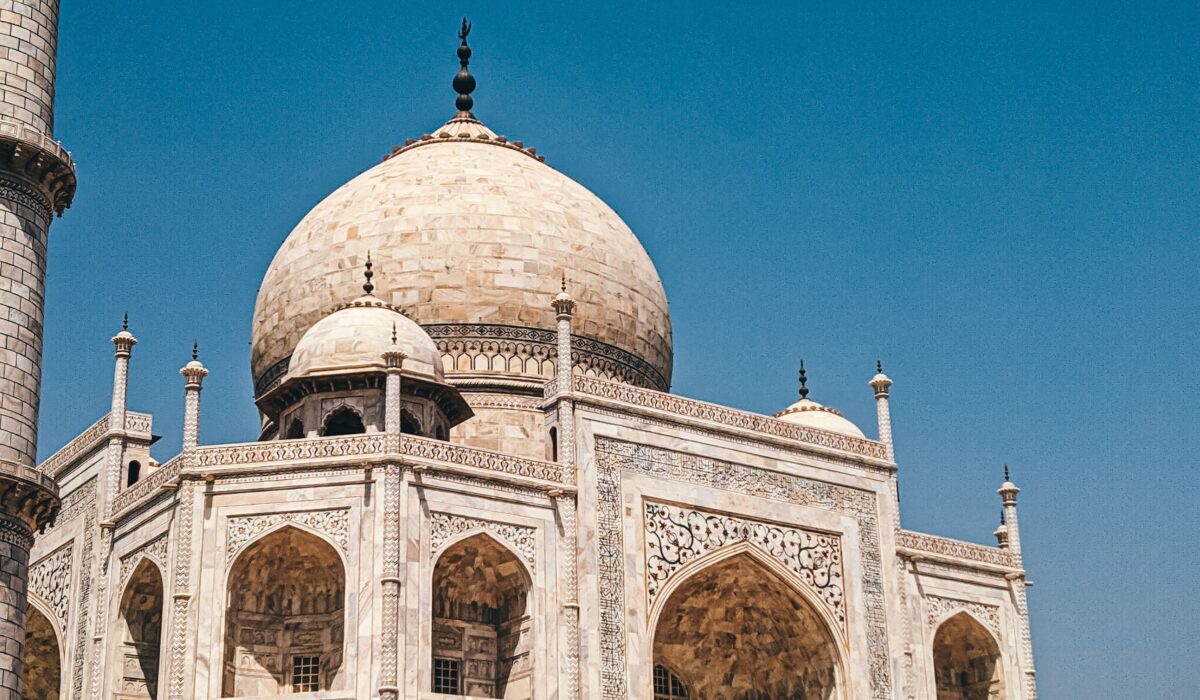
The Taj Mahal, a masterpiece of Indo-Islamic architecture, consistently ranks high for those seeking the **Top 5 UNESCO World Heritage Sites 2026**. Commissioned by Emperor Shah Jahan as a mausoleum for his beloved wife Mumtaz Mahal, it stands as an eternal symbol of love. Its white marble domes and intricate inlay work are a testament to exquisite craftsmanship.
This iconic monument attracts millions, making responsible travel tips essential to ensure its preservation. The sheer scale and beauty of the Taj Mahal offer a profound cultural immersion.

3. Acropolis of Athens, Greece
The Acropolis of Athens, an enduring symbol of classical Greece and democracy, is an essential inclusion for any list of **Top 5 UNESCO World Heritage Sites 2026**. Home to architectural marvels like the Parthenon, Erechtheion, and the Temple of Athena Nike, it embodies ancient artistic and architectural brilliance. These structures provide deep insight into ancient Greek civilization.
To combat overtourism, visitor access to the Acropolis has been limited to 20,000 people daily, demonstrating a commitment to sustainable tourism. Experiencing the Acropolis is like stepping back in time, offering an unparalleled historical perspective among the best UNESCO World Heritage Sites in Europe.

4. Palaces of King Ludwig II (Neuschwanstein Castle), Germany
A truly magical addition to the **Top 5 UNESCO World Heritage Sites 2026** is the Palaces of King Ludwig II, with Neuschwanstein Castle as its most famous gem. These theatrical 19th-century palaces, which achieved UNESCO recognition in 2025, offer romantic silhouettes against Bavarian mountain backdrops. Neuschwanstein, often cited as one of the most beautiful UNESCO sites, inspired Disney’s Sleeping Beauty Castle.
Their recent inscription is expected to generate a surge in visitor demand, making advance booking for 2026 crucial. Exploring these opulent castles provides a unique fairy-tale experience and a glimpse into royal fantasy.

5. Megaliths of Carnac and the Shores of Morbihan, France
Another exciting newcomer to the **Top 5 UNESCO World Heritage Sites 2026** is the Megaliths of Carnac and the Shores of Morbihan, newly inscribed in 2025. These vast alignments of standing stones, dating back over 6,000 years, are a profound testament to Neolithic ingenuity. This site offers a chance to explore off-the-beaten-path UNESCO sites 2026.
The sheer scale and mystery of these ancient structures provide a unique historical and archaeological experience. It’s an excellent choice for travelers looking for new UNESCO World Heritage Sites 2025-2026 and a different kind of cultural heritage travel.

How to Visit UNESCO World Heritage Sites Responsibly
Visiting UNESCO World Heritage Sites responsibly is paramount to ensuring their preservation for future generations. The increasing popularity of these destinations necessitates mindful tourism practices, especially given that international tourist arrivals at UNESCO-listed sites experienced an 18.4% year-over-year growth in 2025, according to Dataintelo (2026). This growth puts immense pressure on delicate ecosystems and historical structures.
Here are key strategies for sustainable tourism UNESCO sites:
- Respect Local Culture and Environment: Always follow local customs, dress codes, and environmental guidelines. This includes staying on marked paths and not disturbing wildlife or historical structures.
- Support Local Economies: Choose local guides, accommodations, and restaurants. This ensures your tourism dollars directly benefit the communities that live around and protect these sites.
- Minimize Your Impact: Reduce waste, conserve water and energy, and use public transport where possible. UNESCO chief Audrey Azoulay warns that unchecked tourism and climate change accelerate deterioration, calling for urgent sustainable solutions (2025).
- Educate Yourself: Learn about the site’s history, significance, and current conservation efforts before your visit. This deepens your appreciation and helps you understand why responsible travel is crucial.
- Adhere to Visitor Regulations: Many sites, like the Acropolis of Athens, have implemented visitor limits or specific entry procedures to manage crowds and protect the site. Always book in advance and follow instructions.
UNESCO itself has implemented a “Sustainable Tourism” strategy since 2024 to address overtourism, including tailored visitor management plans and innovative visitor centers. Embracing these principles ensures your visit contributes positively to the legacy of these incredible places, making your journey among the **Top 5 UNESCO World Heritage Sites 2026** truly impactful.
Which is the Most Visited UNESCO World Heritage Site?
While exact, universally agreed-upon numbers for the “most visited” UNESCO site can fluctuate based on reporting methods, **Angkor Wat in Cambodia** consistently ranks among the highest in terms of international arrivals, though its numbers have seen fluctuations. Before the pandemic, Angkor Wat welcomed 2.2 million visitors in 2019, according to Cambodia’s Ministry of Tourism (2019), although more recent figures show 955,000 in 2025.
Other highly visited sites often include the Great Wall of China and the Pyramids of Giza, though precise, current statistics for all sites are challenging to aggregate globally. The appeal of the **Top 5 UNESCO World Heritage Sites 2026** often leads to high visitor numbers, necessitating robust management strategies.
What are the Newest UNESCO World Heritage Sites for 2026?
The newest UNESCO World Heritage Sites for 2026 largely stem from the 47th session of the UNESCO World Heritage Committee, held in Paris in July 2025, which added **26 new properties** to the World Heritage List. These recent additions offer exciting opportunities for those seeking off-the-beaten-path UNESCO sites 2026 and new cultural heritage travel experiences.
Some notable new inscriptions from 2025 include:
- Palaces of King Ludwig II, Germany: Including the iconic Neuschwanstein Castle, these fairytale palaces offer a unique blend of history and romantic architecture. This is a must-see for anyone interested in the best UNESCO World Heritage Sites in Europe.
- Megaliths of Carnac and the Shores of Morbihan, France: A monumental Neolithic landscape featuring vast alignments of standing stones, providing a profound historical journey.
- Tr’ondek-Klondike, Canada: This cultural landscape in the Yukon commemorates the Klondike Gold Rush and the traditions of the Tr’ondek Hwech’in First Nation.
- Ancient Jericho/Tell es-Sultan, Palestine: One of the oldest continuously inhabited cities in the world, showcasing significant archaeological layers.
These new additions expand the global tapestry of heritage, offering fresh perspectives and destinations beyond the traditionally recognized **Top 5 UNESCO World Heritage Sites 2026**. Exploring these sites contributes to diversifying tourism flows and supporting their nascent conservation efforts.
Planning Your 2026 UNESCO Heritage Trip: Essential Tips
Planning your 2026 UNESCO heritage trip requires thoughtful consideration to maximize your experience while minimizing your environmental and cultural footprint. Effective planning ensures you get the most out of visiting the **Top 5 UNESCO World Heritage Sites 2026** and beyond. Cultural Heritage Tourism accounted for the largest share of the heritage tourism market at 52.3% in 2025, according to Grand View Research (2026), indicating a strong interest in these types of journeys.
Here are essential tips for planning a trip to UNESCO sites:
- Book in Advance: For popular sites like Machu Picchu or the Acropolis of Athens, entry tickets, guided tours, and even accommodation can sell out months ahead. This is especially true for the **Top 5 UNESCO World Heritage Sites 2026**.
- Travel During Off-Peak Seasons: This helps reduce crowds, often provides a more intimate experience, and can be more sustainable. It also supports local economies during quieter periods.
- Consider Guided Tours: Local guides offer invaluable insights into the history and cultural significance of sites. They often have specific knowledge about conservation efforts and local customs.
- Pack Appropriately: Depending on the site, this might mean comfortable walking shoes for extensive exploration, modest clothing for religious sites, or sun protection.
- Research Local Transport: Understand how to get to and from sites efficiently and sustainably. Many locations offer public transport options or designated shuttle services to reduce traffic.
- Factor in Time for Deeper Immersion: Don’t rush. Allow enough time to truly absorb the atmosphere, visit local museums, and engage with the community.
Remember, one-third of natural World Heritage Sites and one-fifth of cultural sites are currently under severe threat due to global warming, according to UNESCO chief Audrey Azoulay (2025). Your choices as a traveler directly impact these precious places. For more inspiration on exploring natural wonders, you might find our guide on Top Natural Landscapes 2026: 5 Essential Explorer Sights helpful.
Frequently Asked Questions
What are the top 5 UNESCO sites?
The top 5 UNESCO sites for 2026 include iconic destinations like Machu Picchu, Taj Mahal, Acropolis of Athens, the newly inscribed Palaces of King Ludwig II (Neuschwanstein Castle), and the Megaliths of Carnac and the Shores of Morbihan. These sites offer diverse cultural and historical experiences.
Which is the most beautiful World Heritage Site?
Determining the “most beautiful” is subjective, but sites like Neuschwanstein Castle in Germany are frequently cited for their picturesque, fairytale-like appearance. The Taj Mahal is also widely considered one of the most beautiful UNESCO sites for its architectural symmetry and romantic symbolism.
What is UNESCO’s #1 site?
UNESCO does not officially rank its World Heritage Sites as #1; each site is recognized for its unique Outstanding Universal Value. However, sites like Machu Picchu often top traveler wish lists due to their historical significance and stunning natural setting.
What are the newest UNESCO World Heritage Sites for 2025?
The newest UNESCO World Heritage Sites from the 2025 session include 26 new properties, such as the Palaces of King Ludwig II in Germany and the Megaliths of Carnac and the Shores of Morbihan in France. These recent additions expand the opportunities for cultural heritage travel.
How many UNESCO World Heritage Sites are there globally?
As of July 2025, there are 1,248 World Heritage Sites located across 170 countries, according to Wikipedia (2025). This vast collection includes both cultural and natural sites, reflecting humanity’s shared heritage and the planet’s irreplaceable natural wonders.
Exploring the **Top 5 UNESCO World Heritage Sites 2026** offers an unparalleled opportunity to connect with humanity’s shared past and the planet’s natural wonders. From the ancient citadels of Peru to the fairytale castles of Germany, each site tells a unique story that enriches your understanding of the world. Remember to embrace responsible travel practices, ensuring these extraordinary places are preserved for generations to come. Start planning your unforgettable cultural heritage travel adventure today to experience these global treasures firsthand.
 Pooja Raturi