
Key Takeaways
- Over 50% of ponds in the UK have been lost in the last century, according to the WWT (Wildfowl & Wetlands Trust).
- A wildlife pond should ideally have a section at least 60cm deep to protect amphibians from weather extremes, according to Froglife.
- Rainwater is the preferred choice for filling new ponds to avoid chemicals found in tap water, as suggested by The Wildlife Trusts.
- Avoiding fish in wildlife ponds is crucial, as they can pollute the water and consume other vital pond flora and fauna, warns The Wildlife Trusts.
- Durable EPDM pond liners, such as those from Firestone, offer long-term waterproofing with warranties often extending 20 years.
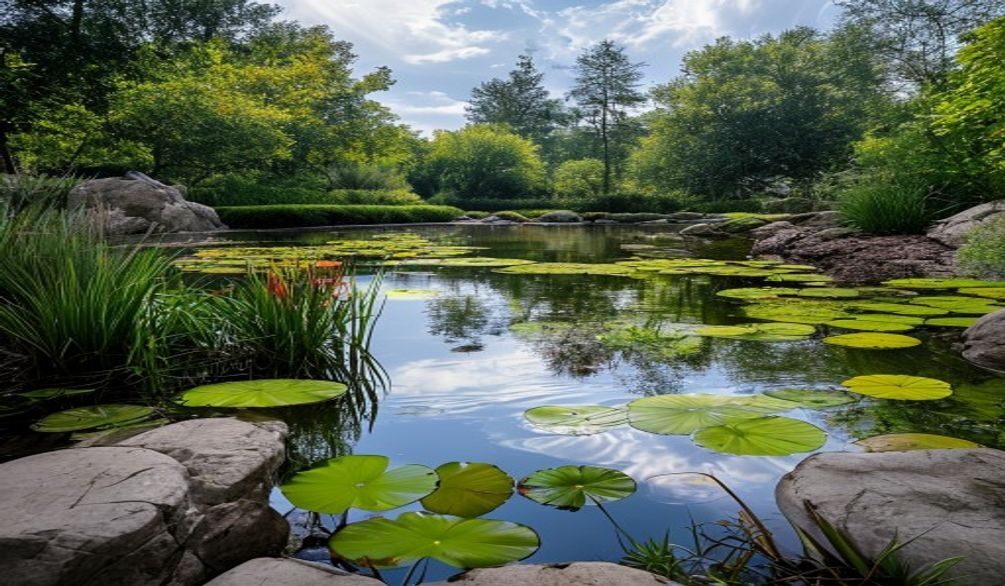
Are you ready to transform your garden into a haven for local biodiversity? This guide will show you exactly How to build a wildlife pond 2026, offering practical, step-by-step instructions to create a thriving aquatic ecosystem right outside your door. From selecting the perfect spot to choosing native plants, we’ll cover everything you need to know to successfully build a wildlife pond 2026 that supports amphibians, insects, and birds.
Quick Answer: Building a wildlife pond involves selecting a sunny, gently sloped site, digging varied depths (at least 60cm in one spot), lining it with a durable material, and planting native aquatic species. Ensure easy access for wildlife with shallow edges and fill with rainwater for a thriving ecosystem.
Why Build a Wildlife Pond in Your Garden?
Building a wildlife pond in your garden provides an invaluable habitat for a diverse range of creatures, significantly boosting local biodiversity. This is especially critical given that over 50% of ponds in the UK have been lost in the last century, according to the WWT (Wildfowl & Wetlands Trust). Creating a pond helps counteract this decline, offering crucial breeding grounds and water sources.
A well-designed wildlife pond acts as a magnet for amphibians like frogs and newts, various insects including dragonflies, and even birds and hedgehogs seeking water. Zoologist Jules Howard emphasizes the profound impact, stating that even a small pond can become a “miniature wetland ecosystem.” Understanding how to build a wildlife pond 2026 is therefore a direct way to contribute to ecological recovery.
- Amphibian Haven: Ponds are vital for the life cycles of frogs, toads, and newts, providing safe breeding sites and shelter.
- Insect Oasis: Dragonflies, damselflies, and countless other invertebrates rely on ponds for survival, offering natural pest control for your garden.
- Drinking Source: Birds, hedgehogs, and other garden mammals will visit the pond for water, especially during dry spells.
- Biodiversity Boost: A pond introduces new flora and fauna, enriching your garden’s overall ecosystem and creating a dynamic natural space.
The act of learning how to build a wildlife pond 2026 is not just a gardening project; it’s an investment in the natural world. Any sized pond is beneficial to local wildlife, though amphibians will prefer ponds over 1-2 metres in diameter, as highlighted by Froglife. This simple addition can transform your garden into a vibrant, living landscape.
Planning Your Wildlife Pond for 2026: Location & Design
Careful planning of your wildlife pond’s location and design is crucial for its success and the health of its inhabitants. The ideal site receives a good amount of sunlight but isn’t in constant direct sun, as too much sun can lead to excessive algae growth. Froglife suggests choosing a spot that gets around half a day of sunshine.
Avoid placing your pond directly under large deciduous trees, as falling leaves can decompose in the water, polluting it and requiring frequent cleaning. When considering how to build a wildlife pond 2026, think about accessibility for both you and the wildlife. A gently sloped area is often easier to dig and provides natural entry and exit points for creatures.
* Sunlight: Aim for 4-6 hours of direct sunlight daily to support plant growth without overheating the water.
* Tree Proximity: Keep a safe distance from large trees to minimize leaf litter and root interference.
* Visibility: Position the pond where you can easily observe and enjoy the wildlife it attracts.
* Safety: Ensure the pond is safely located, especially if children or pets will be in the garden.
For those with smaller gardens or limited space, considering “no-dig pond ideas” or a “container wildlife pond” can be a fantastic alternative. These smaller options still provide valuable habitats and contribute to garden biodiversity. The RHS Advice Team emphasizes that even a mini wildlife pond in a pot can make a difference. This makes the goal of how to build a wildlife pond 2026 achievable for almost anyone.
How Deep Should a Wildlife Pond Be?
A wildlife pond should feature varied depths to accommodate different species and provide stable conditions throughout the year. Ideally, aim for a depth of 20–60cm (8in–2ft), which varies across the pond, as this will suit the majority of pond flora and fauna, according to The RHS Advice Team. This range ensures that plants can establish at different levels and that wildlife has suitable areas for feeding, breeding, and shelter.
For optimal amphibian survival, especially during winter frosts or summer droughts, a section of the pond should be at least 60cm deep. Froglife specifically states that a wildlife pond should ideally have a section at least 60cm deep to protect certain animals from weather extremes. This deeper area prevents the entire pond from freezing solid or completely drying out.
* Shallow Margins (0-20cm): Essential for wildlife to enter and exit safely, and for marginal plants to thrive.
* Mid-Depths (20-40cm): Suitable for a wider range of aquatic plants and provides foraging areas for various creatures.
* Deepest Section (60cm+): Offers refuge from predators and temperature fluctuations, crucial for overwintering amphibians.
Incorporating these varied depths is key to creating a resilient ecosystem. The “best depth for wildlife pond” success lies in this multi-tiered approach, ensuring that your efforts in how to build a wildlife pond 2026 result in a truly beneficial habitat. This design strategy supports a wider array of species and increases the pond’s chances of long-term ecological stability.
Choosing the Right Pond Liner and Materials
Selecting a durable and safe pond liner is paramount for the longevity and watertight integrity of your wildlife pond. EPDM (Ethylene Propylene Diene Monomer) rubber liners are widely recommended due to their flexibility, puncture resistance, and long lifespan. Brands like Firestone offer EPDM Pond Liner with a 45 mil thickness and a 20-year warranty, demonstrating their reliability.
Beyond the liner, consider the underlay and edging materials. An underlay made of geotextile fabric protects the liner from punctures by sharp stones or roots. For edging, natural materials like rocks, logs, or turf provide aesthetic appeal and create additional habitats for pond-edge creatures. When planning how to build a wildlife pond 2026, investing in quality materials upfront saves time and effort in the long run.
* EPDM Rubber Liner: Highly flexible, UV-resistant, and durable. Aquascape EPDM Rubber Pond Liner, also 45 mil thick, is another strong option.
* PVC Liner: More affordable but less flexible and durable than EPDM, with Beckett Corporation PVC Pond Liner offering a 20 mil thickness and a 15-year warranty.
* Underlay: A protective layer beneath the liner, crucial for preventing damage.
* Edging: Use natural stones, gravel, or logs to hide the liner and provide transitions for wildlife.
The choice of liner directly impacts the success of your pond. A robust pond liner installation ensures your pond remains a stable habitat for years to come. For smaller projects or “no-dig wildlife pond” setups, pre-formed plastic ponds can be an easier alternative, though they offer less design flexibility. Understanding these material choices is a fundamental step in how to build a wildlife pond 2026 effectively.
Step-by-Step: Digging and Lining Your Wildlife Pond
Creating your wildlife pond involves a systematic approach to digging and liner installation, ensuring a robust and functional habitat. The key is to create varied depths and shelves that mimic natural pond environments, which is essential for supporting diverse plant and animal life. This meticulous preparation prevents future issues and contributes to the long-term success of your effort to build a wildlife pond 2026.
Step 1: Mark Out Your Pond Shape
Begin by using a rope, hose, or spray paint to outline your desired pond shape on the ground. This allows you to visualize the layout and make adjustments before digging begins. Consider an irregular, naturalistic shape for better aesthetic integration into your garden.
Step 2: Excavate Pond Shape and Depths
Dig out the pond in stages, starting with the shallowest shelf (the marginal shelf), then the mid-depth shelf, and finally the deepest section. The RHS Advice Team suggests creating gently sloping sides and varied depths to provide easy access and different habitats. Remember to save some of the excavated soil for creating a wildlife mound or shaping the pond edges.
Step 3: Level the Edges
Use a spirit level across a straight piece of wood to ensure the entire perimeter of your pond is perfectly level. This prevents water from draining out of one side and ensures an even water level once the pond is filled. An unlevel edge can lead to significant issues down the line.
Step 4: Install Underlay and Liner
Once the hole is perfectly shaped and free of sharp objects, lay down the protective underlay across the entire excavated area. This prevents punctures to your liner. Then, carefully drape the pond liner over the underlay, pressing it gently into all the contours of the pond. Allow plenty of overlap around the edges. This is a critical stage when you build a wildlife pond 2026.
Step 5: Add Substrate and Rocks
Place a layer of washed gravel or sand (about 2-5cm thick) at the bottom of the pond, especially in the deeper sections. This provides a substrate for beneficial bacteria and aquatic plants. Position larger rocks and stones around the edges and on shelves to secure the liner and create hiding spots for wildlife. For a truly natural look, use a variety of sizes.
Step 6: Fill with Water
Begin filling your pond slowly, preferably with rainwater collected from a butt. As the pond fills, gently pull and adjust the liner to ensure it settles smoothly into all the curves and corners. Froglife and The Wildlife Trusts both suggest that ponds can be filled with tap-water that has been treated first, or preferably rainwater. Rainwater is superior as it is free of chlorine and other chemicals harmful to pond life.
Step 7: Create Wildlife Access Points
Once the pond is full, trim the excess liner, leaving a generous overlap to be disguised by turf, paving, or gravel. Create shallow access points and ramps using stones or logs at various points around the pond edge. This is vital for hedgehogs, frogs, and other creatures to enter and, more importantly, exit the water safely. Without these, animals can become trapped.
Step 8: Introduce Native Pond Plants
Wait a few days for the water to settle before introducing your native pond plants UK. These plants are crucial for oxygenating the water, providing shelter, and absorbing nutrients that could otherwise lead to algae blooms. Position plants at appropriate depths according to their specific needs. This final step brings your vision of how to build a wildlife pond 2026 to life.
What Should I Put in a Wildlife Pond?
To create a truly thriving wildlife pond, you should primarily introduce native aquatic species that provide food, shelter, and oxygenation for local fauna. The goal is to establish a balanced ecosystem without introducing anything that could disrupt it. Native pond plants UK are essential for this balance.
It’s crucial to avoid adding fish to your pond, as they can pollute the water and eat other plant and animals, according to The Wildlife Trusts. This is a common misconception, but fish often outcompete or prey on the very wildlife you aim to attract. Focus instead on creating an “amphibian friendly pond.”
* Oxygenating Plants: Crucial for maintaining water quality and providing oxygen. Examples include Hornwort (Ceratophyllum demersum) and Water Crowfoot (Ranunculus aquatilis). Naturescape is a good supplier for these native marsh plants.
* Marginal Plants: Planted on the shallow shelves, these provide cover and egg-laying sites. Think Water Forget-me-not (Myosotis scorpioides) and Marsh Marigold (Caltha palustris).
* Deep Water Plants: Such as Water Lilies (Nymphaea alba), which provide shade and help suppress algae.
* Floating Plants: Duckweed (Lemna minor) can provide quick cover but needs careful management to prevent overgrowth.
Consider sourcing your “aquatic plants for ponds” from reputable suppliers like Habitat Aid or British Pond Plants, which specialize in native British species. Adding a small amount of substrate (gravel/sand) provides a base for beneficial bacteria and plants. Successfully populating your pond is a key part of how to build a wildlife pond 2026 that truly benefits nature.
Do Wildlife Ponds Need a Pump or Filter?
No, wildlife ponds generally do not need a pump or filter, as a healthy, balanced ecosystem naturally regulates water quality. The RHS Advice Team explicitly states that pumps and filters are unnecessary for wildlife ponds. This is because the diverse array of native plants and microorganisms within the pond work together to keep the water clean and oxygenated.
Introducing pumps and filters, while common in ornamental ponds, can actually be detrimental to wildlife. They can create strong currents that disrupt delicate insect larvae and amphibian eggs, and filters can remove beneficial microorganisms vital for the pond’s natural filtration process. The beauty of a wildlife pond is its self-sustaining nature. This simplicity is a core principle when you build a wildlife pond 2026.
* Natural Balance: Oxygenating plants release oxygen, while beneficial bacteria break down organic matter.
* Still Water Preference: Many pond insects and amphibians prefer calm, still water for breeding and development.
* Maintenance Simplicity: No pumps or filters means less equipment to buy, install, or maintain.
If you observe excessive algae, it’s usually a sign of too many nutrients or too much sunlight, not a lack of filtration. Addressing these root causes through more shade, careful plant selection, or occasional removal of excess organic matter is more effective than adding a pump. Understanding this principle is vital when learning how to build a wildlife pond 2026 that truly supports nature.
Maintaining Your Wildlife Pond: Long-Term Care in 2026
Long-term maintenance for your wildlife pond focuses on preserving its natural balance with minimal intervention, ensuring it remains a thriving habitat year after year. The primary goal is to prevent overgrowth and remove excess organic matter without disturbing the ecosystem. This hands-off approach contributes to a stable environment.
Regular monitoring for invasive species or excessive leaf litter is key to good “wildlife pond maintenance.” The Wildlife Trusts advises that minimal intervention is best. This careful approach ensures your efforts to build a wildlife pond 2026 continue to pay dividends for local biodiversity.
* Remove Excess Vegetation: Annually, thin out about a third of the submerged and marginal plants to prevent overgrowth and maintain open water. Do this in late summer or early autumn.
* Clear Leaf Litter: Use a net to remove fallen leaves, especially during autumn, to prevent them from decomposing and enriching the water with nutrients, which can lead to algae.
* Top Up with Rainwater: During dry periods, top up your pond using rainwater collected in a butt. Avoid tap water if possible, or let it stand for 24-48 hours to allow chlorine to dissipate.
* Check for Invasive Species: Regularly inspect for non-native plants or aggressive native species that could outcompete others. Remove them promptly.
* Avoid Chemicals: Never use herbicides, pesticides, or other chemicals near or in your pond, as they are highly toxic to aquatic life.
Understanding the “wildlife pond maintenance guide” principles ensures your pond remains a vibrant ecosystem. Over time, your pond will establish its own natural rhythms. By following these simple steps, your commitment to how to build a wildlife pond 2026 will lead to a beautiful, self-sustaining feature in your garden.
Frequently Asked Questions
How deep should a wildlife pond be?
A wildlife pond should have varied depths, including shallow margins, mid-depths, and a deepest section of at least 60cm. This deepest area is crucial for amphibians to overwinter safely, according to Froglife. Varied depths support a wider range of plants and animals.
What is the best time of year to build a wildlife pond?
The best time of year to build a wildlife pond is typically autumn or early spring, as these periods avoid extreme weather and allow the pond to settle before wildlife activity peaks. Building in autumn allows the pond to establish over winter, reducing immediate maintenance needs.
What should I put in a wildlife pond?
You should put native aquatic plants, a layer of washed gravel or sand, and natural rocks and logs for shelter in a wildlife pond. It’s best not to add fish to your pond as they can pollute the water and eat the other plant and animals, advises The Wildlife Trusts. Focus on creating an “amphibian friendly pond.”
Do wildlife ponds need a pump?
No, wildlife ponds do not typically need a pump or filter, as a healthy ecosystem with native plants and beneficial microorganisms will naturally keep the water clean. The RHS Advice Team confirms that pumps and filters are unnecessary for wildlife ponds, as they can disrupt the delicate balance. This simplifies how to build a wildlife pond 2026 for beginners.
How do I make a mini wildlife pond in a pot?
To make a mini wildlife pond in a pot, choose a watertight container, add a layer of gravel, place native aquatic plants, and fill with rainwater. Even a “how to make a mini wildlife pond in a pot” project can provide a vital water source and habitat for insects and small amphibians. Ensure easy access for creatures to climb out.
Creating a wildlife pond is one of the most rewarding gardening projects you can undertake, offering a direct contribution to local ecosystems. By following this comprehensive guide on How to build a wildlife pond 2026, you’re not just digging a hole; you’re cultivating a vibrant, living space that will attract and support a diverse array of creatures. Embrace the process, watch your pond flourish, and enjoy the incredible biodiversity it brings to your garden for years to come.