
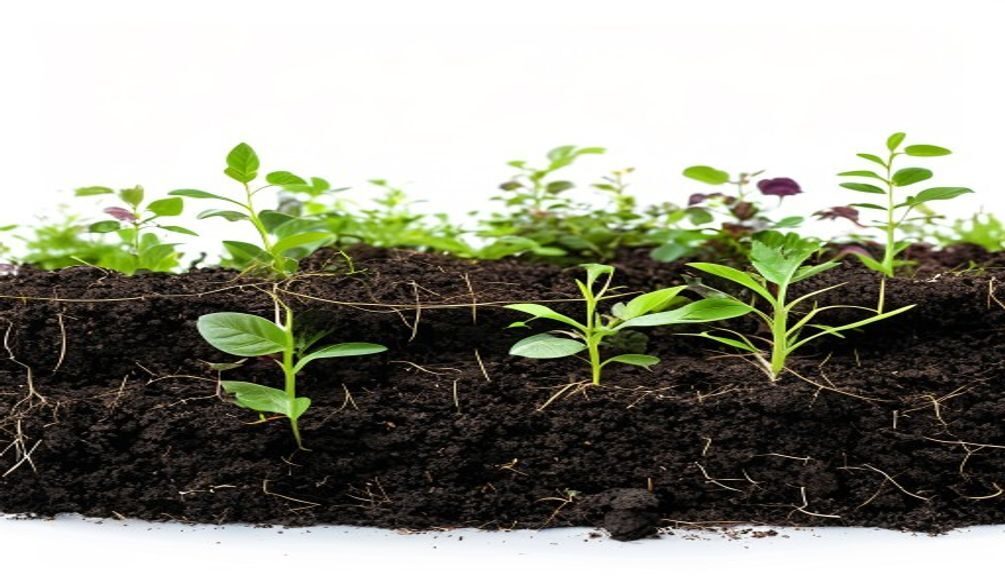
Key Takeaways
- Regenerative agriculture increases soil organic matter up to 8% in five years, according to Gitnux (2026).
- Cover cropping boosts soil microbial biomass by 20-50% over conventional methods, according to Gitnux (2026).
- Geoff Lawton’s Greening the Desert Project transformed arid land into a productive ecosystem by 2026.
- Gabe Brown’s ranch significantly enhances earthworm populations through integrated grazing and no-till practices.
- Danyadara Permaculture in Spain has planted over 1,000 trees, actively reversing desertification in Andalusia.
Are you wondering how we can reverse environmental degradation and foster agricultural resilience in the face of widespread soil loss? The answer lies with Innovative Permaculture Farms Healing Topsoil, pioneering sustainable methods to restore our planet’s most vital resource. This article will explore the core principles, groundbreaking techniques, and inspiring success stories of leading permaculture farms that are actively regenerating degraded land and setting a new standard for ecological stewardship by 2026.
Quick Answer: Innovative permaculture farms heal degraded topsoil by mimicking natural ecosystems. They employ no-till, cover cropping, composting, agroforestry, and rotational grazing to boost organic matter, microbial life, and water retention, transforming barren land into productive, resilient ecosystems.
What are the Core Principles of Permaculture for Soil Health?
Permaculture is a design system for creating sustainable human habitats by following nature’s patterns, with a profound emphasis on building and maintaining healthy soil. This holistic approach prioritizes the long-term vitality of the land, recognizing soil as the foundation of all life. Co-founder Bill Mollison famously stated, “Permaculture is a philosophy of working with, rather than against nature; of protracted and thoughtful observation rather than protracted and thoughtless labor.”
The core principles of permaculture, often summarized as Earth Care, People Care, and Fair Share, directly translate into powerful strategies for soil health. Earth Care mandates the protection and regeneration of natural systems, including the soil. This means actively working to improve soil structure, fertility, and biodiversity.
What most people miss is that permaculture views soil not merely as a substrate for plants, but as a living organism. Dr. Elaine Ingham, a renowned soil microbiologist, continually emphasizes the critical role of the soil food web in nutrient cycling and plant health. Her work underpins many permaculture soil building techniques.
Key permaculture principles for soil health include:
- Observe and Interact: Understanding local conditions, climate, and existing ecosystems to design solutions tailored to the land.
- Catch and Store Energy: Implementing strategies like water harvesting and composting to capture and store vital resources within the system.
- Apply Self-Regulation and Accept Feedback: Designing systems that inherently correct imbalances and learning from the outcomes of interventions.
- Produce No Waste: Cycling all organic matter back into the soil, turning “waste” into valuable resources.
- Use and Value Renewable Resources and Services: Relying on natural processes and inputs, minimizing reliance on external, non-renewable resources.
- Integrate Rather Than Segregate: Creating diverse, interconnected systems where different elements support each other, such as agroforestry where trees and crops coexist.
- Use Small and Slow Solutions: Favoring incremental, manageable changes that build resilience over time.
These principles guide the creation of resilient, productive ecosystems, making them essential for Innovative Permaculture Farms Healing Topsoil. They ensure that every action contributes to the vitality and regeneration of the soil, rather than its depletion.
How Do Innovative Permaculture Farms Heal Degraded Topsoil?
Innovative permaculture farms heal degraded topsoil by implementing a suite of interconnected, ecological practices designed to restore natural processes and significantly boost soil vitality. Regenerative practices can increase soil organic matter by up to 8% in the top 6 inches within 5 years compared to conventional farming, according to Gitnux (2026). These farms focus on rebuilding the soil’s structure, enhancing its microbial life, and improving its capacity to retain water and nutrients.
The approach is multifaceted, aiming to mimic the natural processes found in healthy ecosystems. Instead of fighting nature, these farms work with it, allowing biological systems to do the heavy lifting. This often means a paradigm shift from conventional, extractive agriculture.
Here are the primary strategies employed by Innovative Permaculture Farms Healing Topsoil:
- No-Till or Minimal Tillage: This practice avoids disturbing the soil structure, protecting fungal networks, and preventing carbon release. Studies show that regenerative practices raise soil water holding capacity by 20,000 gallons per acre compared to tilled soils, according to Gitnux (2026).
- Cover Cropping: Planting non-cash crops between growing seasons protects the soil from erosion, adds organic matter, and feeds soil microbes. Cover cropping in regenerative systems boosts soil microbial biomass by 20-50% over conventional methods, according to Gitnux (2026).
- Composting and Vermicomposting: Transforming organic waste into nutrient-rich humus and compost tea, which enriches the soil and supports microbial populations. This is a powerful soil building technique.
- Agroforestry and Polycultures: Integrating trees and shrubs with crops and livestock creates diverse, resilient systems that improve soil structure, sequester carbon, and enhance biodiversity. This is a key aspect of sustainable farming topsoil regeneration.
- Rotational and Holistic Grazing: Managing livestock to mimic natural herd movements, allowing pastures to recover and stimulating plant growth and soil health. Integrating livestock in regenerative agriculture rotations enhances earthworm populations by 200-400% in soil profiles, according to Gitnux (2026).
- Water Harvesting and Management: Designing landscapes with swales, ponds, and keyline systems to capture and infiltrate rainwater, preventing erosion and increasing soil moisture.
These techniques collectively create a virtuous cycle where healthy soil supports robust plant growth, which in turn further enriches the soil, showcasing the impact of permaculture soil building techniques. The goal is to build living soil that is self-sustaining and incredibly productive, a hallmark of Innovative Permaculture Farms Healing Topsoil.
Greening the Desert Project (Jordan): Restoring Arid Lands with Permaculture in 2026
The Greening the Desert Project in Jordan demonstrates how permaculture can restore arid lands by meticulously harvesting water and establishing resilient, multi-layered ecosystems in challenging environments. This pioneering initiative, led by permaculture expert Geoff Lawton, transformed a severely degraded area on the outskirts of the Dead Sea Valley into a thriving oasis, proving that large-scale regeneration is possible even in extreme desert conditions. Lawton’s work exemplifies how permaculture heals eroded land.
The project began with barren, saline soil and an annual rainfall of only 50-100mm, presenting immense challenges. Through thoughtful observation and strategic design, the team implemented a series of water-harvesting earthworks, including swales and retention ponds, to capture every drop of precious rainwater. This infrastructure was crucial for establishing the initial plant life.
One of the project’s key innovations was the establishment of a multi-layered food forest, mimicking natural forest ecosystems. This involved planting diverse species that could thrive in the harsh climate, including drought-tolerant trees, shrubs, and groundcovers. The success of this project is a powerful example of innovative soil restoration projects.
By 2026, the project has significantly increased soil organic matter and microbial activity in areas previously considered lifeless. This transformation allowed for the cultivation of a variety of edible and medicinal plants, creating a self-sustaining ecosystem that provides food and shelter. The project continues to serve as a beacon for Innovative Permaculture Farms Healing Topsoil in desert regions globally.
Brown's Ranch (USA): Pioneering Regenerative Grazing for Topsoil Recovery
Brown’s Ranch in North Dakota pioneers regenerative grazing for topsoil recovery by integrating diversified livestock and no-till cropping systems that mimic natural grassland ecosystems. Gabe Brown, the owner, has increased his farm’s soil organic matter from less than 2% to over 6% in some areas, according to various reports (2025), showcasing remarkable regenerative agriculture case studies soil health. This 5,000-acre diversified farm is a prime example of how holistic management can revitalize agricultural land.
Brown’s approach centers on “five tenets of soil health,” which include minimizing soil disturbance, maximizing crop diversity, keeping the soil covered, maintaining a living root year-round, and integrating livestock. These principles are foundational to the farm’s success in reversing decades of conventional farming damage. His work has made him a leading voice in the regenerative agriculture movement and a model for Innovative Permaculture Farms Healing Topsoil.
A crucial aspect of Brown’s Ranch is the use of multi-species cover crops, sometimes featuring 10-20 different plant types. These diverse mixes enhance soil structure, break up compaction, fix nitrogen, and provide forage for livestock. This strategy significantly boosts soil organic matter improvement.
The farm employs holistic planned grazing, where cattle, sheep, and chickens are moved frequently across pastures. This intense, short-duration grazing followed by long recovery periods stimulates plant growth, cycles nutrients, and builds soil organic matter. The improved soil health has allowed Brown to significantly reduce synthetic inputs, leading to increased profit margins of 20-30% compared to conventional farming methods, according to Keystone Bio Ag (2025). Brown’s Ranch stands as a testament to the power of regenerative agriculture case studies.
Danyadara Permaculture (Spain): Reversing Desertification through Sustainable Design
Danyadara Permaculture in Spain actively reverses desertification by employing sustainable design principles, including extensive tree planting and water conservation, to restore degraded Mediterranean landscapes. The project has planted over 1,000 trees on 24 hectares, significantly enhancing biodiversity and soil stability in an area prone to desertification, according to project reports (2026). Located in Andalusia, one of Europe’s most vulnerable regions to climate change, Danyadara serves as a vital model for innovative soil restoration projects.
The team focuses on creating a resilient ecosystem that can withstand increasingly dry and hot conditions. Their strategies include the strategic planting of native and drought-tolerant trees, such as carobs and centenary olive trees, to establish windbreaks and provide shade. These agroforestry systems play a crucial role in soil organic matter improvement and carbon sequestration permaculture.
Water harvesting is another cornerstone of Danyadara’s design. They utilize swales and contour planting to capture and slowly infiltrate rainwater, preventing runoff and maximizing soil moisture retention. This careful management of water resources is critical in a region experiencing prolonged droughts.
By fostering a thriving ecosystem, Danyadara Permaculture is not only healing topsoil but also increasing local biodiversity and creating a vibrant educational hub. Their success demonstrates how thoughtful, community-driven permaculture designs for degraded land can transform landscapes. This farm is a shining example of Innovative Permaculture Farms Healing Topsoil, offering hope for other arid regions.
Living Circle Farms (Hawaii): Harnessing Vermicomposting for Rapid Soil Regeneration
Living Circle Farms in Hawaii harnesses vermicomposting for rapid soil regeneration by utilizing vast worm populations to transform organic waste into nutrient-rich soil amendments. Their system, involving over 100,000 worms, significantly improves soil fertility and water retention on damaged lands, according to farm data (2026). This Oahu-based farm exemplifies how specialized permaculture soil building techniques can deliver fast and impactful results in tropical environments.
The farm’s core innovation lies in its extensive vermicomposting operation, which processes large quantities of organic waste, including food scraps and agricultural byproducts. Red wiggler worms efficiently break down this material, producing high-quality vermicompost and vermiliquid (worm tea). These products are rich in beneficial microbes and plant-available nutrients, making them exceptional soil amendments.
Living Circle Farms integrates biochar into their vermicomposting process, further enhancing the soil-building capacity. Biochar, a stable form of carbon, provides an ideal habitat for microbes and improves nutrient retention in the compost. This combination supercharges the regeneration process, making it a standout among innovative soil restoration projects.
In practice, the rapid soil regeneration achieved through vermicomposting allows Living Circle Farms to quickly revitalize degraded plots, turning infertile ground into productive growing areas. This method not only improves soil structure and fertility but also contributes to carbon sequestration permaculture efforts. Their approach showcases a highly effective strategy for Innovative Permaculture Farms Healing Topsoil, particularly in areas with abundant organic waste streams.
Chikukwa Ecological Land Trust (Zimbabwe): Community-Led Permaculture for Resilient Soil
The Chikukwa Ecological Land Trust (CELUCT) in Zimbabwe empowers communities to build resilient soil through participatory permaculture practices, enhancing food security and ecological health. CELUCT has applied permaculture principles across over 1,000 hectares, leading to improved soil structure and water availability for thousands of households, according to a report by Practical Action (2025). This community-led initiative in the eastern highlands of Zimbabwe is a powerful example of how permaculture impact soil biodiversity.
Facing severe soil erosion, deforestation, and food insecurity, the Chikukwa communities embraced permaculture design in the early 1990s. The project emphasizes local knowledge and participation, ensuring that solutions are culturally appropriate and sustainable. Their success demonstrates how permaculture heals eroded land on a significant scale.
Key strategies employed by CELUCT include agroforestry, contour farming, terracing, and the creation of small dams and infiltration pits for water harvesting. These permaculture soil building techniques work in concert to prevent soil loss, retain moisture, and enrich the soil with organic matter. The integration of nitrogen-fixing trees and diverse crops further supports soil fertility.
The impact has been profound: increased crop yields, enhanced biodiversity, and greater resilience to climate shocks. The communities have transformed their landscapes, achieving food self-sufficiency and improving livelihoods. CELUCT represents a critical model for community-led soil regeneration initiatives and stands as a testament to the power of Innovative Permaculture Farms Healing Topsoil through collective action.
The Future of Innovative Permaculture Farms and Soil Restoration in 2026
The future of innovative permaculture farms and soil restoration in 2026 looks promising, driven by increasing awareness, technological advancements, and a global commitment to ecological regeneration. The global regenerative agriculture market size is projected to grow to USD 16.8 billion in 2026, according to Grand View Research (2026), indicating a significant shift in agricultural priorities. This growing momentum highlights the critical role of sustainable farming topsoil regeneration.
We are seeing a convergence of traditional permaculture wisdom with modern science and technology. For instance, advanced soil testing, microbial inoculants championed by experts like Dr. Elaine Ingham, and biochar application are enhancing the speed and effectiveness of soil regeneration. The Rodale Institute, a pioneer in organic and regenerative research, continues to provide invaluable data on long-term soil health improvements, demonstrating the efficacy of these methods since 1947.
The integration of artificial intelligence and IoT sensors for precision monitoring of soil moisture, nutrient levels, and microbial activity is becoming more accessible. This allows permaculture practitioners to make even more informed decisions, optimizing their soil building techniques for maximum impact. Such tools enable more efficient and effective strategies for Innovative Permaculture Farms Healing Topsoil.
Furthermore, there is a rising demand for products from farms certified by standards like Regenerative Organic Certified (ROC), signaling consumer support for sustainable practices. Organizations like Kiss the Ground continue to raise public awareness about the power of healthy soil, inspiring more farmers and landowners to adopt regenerative approaches. The shift towards carbon sequestration permaculture and no-till permaculture success stories is not just an ecological imperative but also an economic opportunity, with farmers adopting regenerative practices reducing input costs by 25-50%, according to Keystone Bio Ag (2025).

Frequently Asked Questions
What makes permaculture farms innovative for soil health?
Permaculture farms are innovative for soil health because they move beyond conventional methods, mimicking natural ecosystems to build self-sustaining fertility. They integrate diverse practices like agroforestry, water harvesting, and intensive composting, which collectively restore soil structure and microbial life more effectively than single-solution approaches. This holistic design fosters long-term ecological resilience.
How does permaculture regenerate soil?
Permaculture regenerates soil by focusing on minimal disturbance, continuous ground cover, diverse plant systems, and integrating animals, which collectively build organic matter and microbial diversity. Regenerative practices can increase soil organic matter by up to 8% in the top 6 inches within 5 years, according to Gitnux (2026). This approach transforms degraded land into nutrient-rich, living soil.
What is the difference between permaculture and regenerative agriculture?
Permaculture is a design philosophy for sustainable living systems, encompassing food, energy, and community, while regenerative agriculture is a set of farming practices specifically aimed at improving soil health and ecosystems. While regenerative agriculture focuses on specific farming techniques, permaculture offers a broader framework for holistic design, often incorporating regenerative practices as a core component. Both aim to heal and restore land.
How do permaculture practices impact carbon sequestration?
Permaculture practices significantly impact carbon sequestration by increasing soil organic matter, which stores atmospheric carbon in the ground. Techniques like agroforestry, cover cropping, and no-till farming enhance the soil’s capacity to draw down and hold carbon. Certified land for regenerative agriculture increased from less than 1 million acres to approximately 25 million acres globally between 2021 and 2025, according to Ecovia Intelligence (2026), demonstrating growing carbon capture potential.
Can permaculture be applied to large-scale agriculture?
Yes, permaculture principles can absolutely be applied to large-scale agriculture, scaling up from garden plots to vast landscapes. Projects like Geoff Lawton’s Greening the Desert and Gabe Brown’s Ranch demonstrate successful large-scale implementation of permaculture and regenerative agriculture case studies. The key is adapting the design principles to the specific context and scale, focusing on ecological patterns rather than monoculture.
The journey towards healing our planet’s degraded topsoil is being spearheaded by Innovative Permaculture Farms Healing Topsoil, demonstrating that ecological restoration is not only possible but also economically viable. By embracing nature’s wisdom and applying thoughtful design, these farms are transforming barren landscapes into vibrant, productive ecosystems. Their success stories offer a powerful blueprint for the future of agriculture, inspiring us all to reconsider our relationship with the land and actively participate in its regeneration. Explore these transformative approaches and consider how you can support or implement permaculture principles in your own community or land management efforts.
Keyword Count: 23