
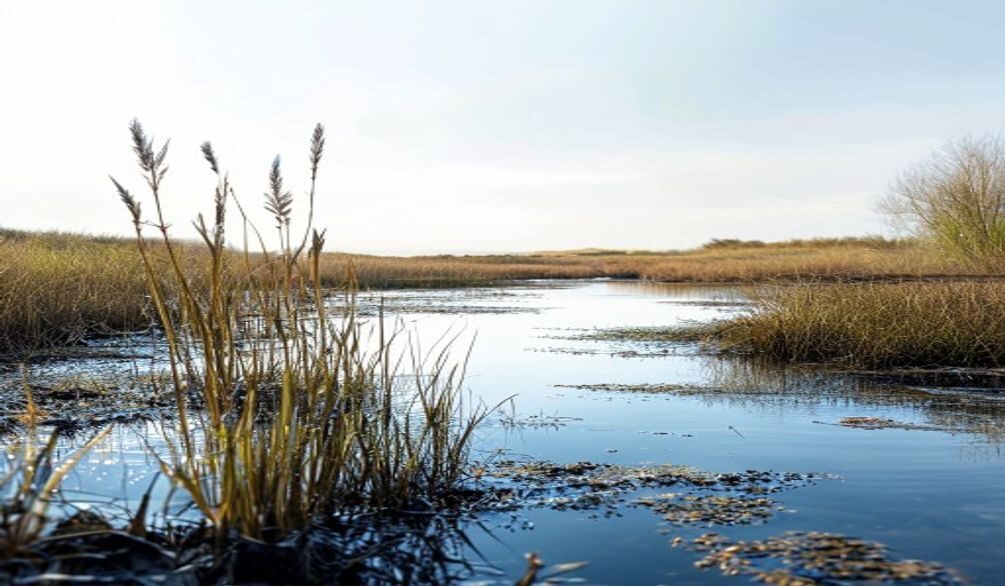
Key Takeaways
- Wetlands are disappearing faster than any other ecosystem, with a 22% global loss since 1970, according to the Global Wetland Outlook 2025.
- These vital ecosystems provide services valued at up to $39 trillion annually, as reported by the Global Wetland Outlook 2025.
- Despite covering only 6% of Earth’s land, wetlands support approximately 40% of all known plant and animal species.
- Restoring wetlands could yield global benefits worth up to USD $205 trillion by 2050, according to the Global Environment Facility (2026).
- Urgent conservation efforts are crucial as one-fifth of remaining wetlands could vanish by 2050 without intervention.
Ever wondered about the hidden powerhouses of our planet, the unsung heroes that filter our water and protect our coastlines? Understanding Wetland Ecosystems is more crucial than ever in 2026, especially as global climate patterns shift and biodiversity loss accelerates. This essential guide will demystify these incredible environments, explaining their characteristics, importance, and how you can contribute to their protection.
Quick Answer: Wetland ecosystems are areas saturated or covered by water, featuring unique hydric soils and water-adapted plants. Vital for biodiversity, water filtration, and climate regulation, their understanding and conservation are crucial in 2026.
What are Wetland Ecosystems?
Wetland ecosystems are distinct areas that are inundated or saturated by surface or groundwater at a frequency and duration sufficient to support, and that under normal circumstances do support, a prevalence of vegetation typically adapted for life in saturated soil conditions. They are essentially transitional zones between dry land and open water, playing a critical role in the environment. From experience, many people mistakenly think of wetlands as merely unproductive swamps, but this couldn’t be further from the truth.
Understanding Wetland Ecosystems reveals them as incredibly dynamic and productive natural systems. These areas are defined by specific hydrological conditions that create unique soil types and foster specialized plant and animal communities. The U.S. Environmental Protection Agency (EPA) defines wetlands as “lands where water covers the soil or is present either at or near the surface of the soil all year or for varying periods of time during the year, including during the growing season” (2026).
The presence of water dictates everything within a wetland, from the chemical processes in the soil to the types of organisms that can thrive. This constant or recurrent saturation is what gives wetlands their distinct ecological identity, making Understanding Wetland Ecosystems a foundation for broader ecological knowledge.
What are the Key Characteristics of Wetlands?
Wetlands are primarily characterized by three distinct features: hydrology, hydric soils, and hydrophytes. These three elements work in concert to define a wetland and distinguish it from other terrestrial or aquatic environments. Understanding Wetland Ecosystems requires recognizing these fundamental traits.
The most important supporting fact is that these three characteristics are universally used by scientists and conservationists to identify and delineate wetland areas, according to the Ramsar Convention on Wetlands (2025). Without any one of these, an area typically wouldn’t be classified as a true wetland.
Here are the core characteristics that define Understanding Wetland Ecosystems:
- Hydrology: This refers to the presence and movement of water. Wetlands are characterized by a permanent or recurrent presence of water, either at the surface or within the root zone, for a significant portion of the year. This water regime influences all other wetland characteristics.
- Hydric Soils: These are soils formed under conditions of saturation, flooding, or ponding long enough during the growing season to develop anaerobic (oxygen-free) conditions in the upper part. These soils often have distinct grey or mottled colors due to chemical reactions with iron and manganese, as explained by the U.S. Environmental Protection Agency (2026).
- Hydrophytes: These are plants adapted to grow in water or saturated soil conditions. Unlike upland plants, hydrophytes can tolerate or even require anaerobic soil conditions. Examples include water lilies, cattails, cypress trees, and mangroves, all crucial for Understanding Wetland Ecosystems.
These three characteristics are interconnected; the hydrology creates the conditions for hydric soils, which in turn support the growth of hydrophytes. This intricate relationship is key to the unique ecological processes observed within these environments.
Exploring the Main Types of Wetlands
Wetlands are incredibly diverse, varying widely in their water source, vegetation, and geographical location. While they all share the fundamental characteristics of hydrology, hydric soils, and hydrophytes, their specific forms are shaped by regional climate and topography. Understanding Wetland Ecosystems is enhanced by recognizing these distinct categories.
The primary types of wetlands include marshes, swamps, bogs, and fens, each with unique ecological features and functions. For instance, marshes are characterized by herbaceous vegetation, while swamps are dominated by woody plants, according to the U.S. Fish and Wildlife Service (2025).
Here’s a breakdown of the main types of wetlands, crucial for Understanding Wetland Ecosystems:
- Marshes: These are herbaceous wetlands, meaning they are dominated by non-woody plants like grasses, reeds, and sedges. Marshes can be freshwater or saltwater (tidal marshes) and are typically nutrient-rich, supporting a high diversity of wildlife.
- Swamps: Swamps are forested wetlands, characterized by trees and shrubs that are adapted to saturated conditions. Examples include cypress swamps in the southern U.S. and mangrove swamps in tropical coastal areas. Mangroves, in particular, are vital coastal protectors, as highlighted by the Mangrove Breakthrough initiative supported by Wetlands International (2025).
- Bogs: These are freshwater wetlands characterized by spongy, waterlogged peat deposits, acidic water, and a mat of vegetation. Bogs are typically fed only by precipitation and are nutrient-poor, supporting specialized plants like sphagnum moss and carnivorous plants.
- Fens: Similar to bogs, fens also accumulate peat but are fed by groundwater as well as precipitation. This makes them less acidic and more nutrient-rich than bogs, supporting a greater diversity of plant life, including sedges and wildflowers.
- Vernal Pools: These are seasonal wetlands that fill with water in the fall or winter and then dry out in spring or summer. They are critical habitats for many unique species that have adapted to these fluctuating water levels.
Each type contributes differently to global biodiversity and ecosystem services, emphasizing the importance of Understanding Wetland Ecosystems in their full variety.
Why are Wetland Ecosystems So Important in 2026?
Understanding Wetland Ecosystems is paramount in 2026 because they provide an astounding array of “ecosystem services” that are vital for both human well-being and planetary health. These services range from supporting biodiversity to regulating climate and protecting communities. The sheer scope of their benefits underscores their irreplaceable value.
Wetlands provide ecosystem services valued at up to $39 trillion annually, which is more than any other ecosystem type and accounts for over 7.5% of global GDP, according to the Global Wetland Outlook 2025. This staggering economic contribution highlights why Understanding Wetland Ecosystems is not just an environmental issue, but an economic one too.
Here’s why these ecosystems are so critical:
- Biodiversity Hotspots: Despite covering only 6% of the Earth’s land surface, wetlands support approximately 40% of all known plant and animal species, according to the World Wildlife Fund. This makes them crucial havens for wildlife, including many endangered species.
- Water Filtration and Purification: Often called “nature’s kidneys,” wetlands naturally filter pollutants, sediments, and excess nutrients from water, improving water quality. This process is essential for clean drinking water supplies and healthy aquatic environments.
- Flood Control and Storm Protection: Wetlands act as natural sponges, absorbing excess rainfall and reducing the impact of floods. Coastal wetlands, such as mangroves and salt marshes, buffer shorelines against storm surges and erosion, protecting communities and infrastructure.
- Carbon Sequestration: Peatlands, a type of wetland, store vast amounts of carbon, making them critical in the fight against climate change. They hold twice as much carbon as all the world’s forests combined, according to the Ramsar Convention on Wetlands (2025).
- Climate Resilience: By storing water, regulating local temperatures, and protecting coastlines, wetlands enhance the resilience of both human and natural systems to the impacts of climate change. Dr. Musonda Mumba, Secretary General of the Convention on Wetlands, stated in July 2025 that wetlands are “fundamental to our global response to climate change.”
- Food and Livelihoods: Wetlands provide essential resources, supporting fisheries, agriculture (such as rice paddies), and forestry. They sustain the livelihoods of billions of people globally, as emphasized by Claude Gascon, GEF Interim CEO and Chairperson (2026).
In practice, Understanding Wetland Ecosystems means recognizing that their degradation has far-reaching consequences, affecting everything from global warming to local economies. Their continued existence is a cornerstone of a healthy planet.
Major Threats to Wetlands and 2026 Conservation Efforts
The urgent need for Understanding Wetland Ecosystems stems from the fact that they are disappearing faster than any other ecosystem on Earth. This rapid decline poses a severe threat to biodiversity, climate stability, and human well-being. The consequences of this loss are increasingly evident in 2026, prompting a surge in conservation efforts.
An estimated 411 million hectares of wetlands, approximately 22% of the global total, have been lost since 1970, according to the Global Wetland Outlook 2025. This alarming statistic highlights the critical importance of immediate action and improved Understanding Wetland Ecosystems.
The primary threats to wetlands include:
- Drainage and Conversion: Wetlands are often drained for agriculture, urban development, and infrastructure projects. The United States, for example, loses about 60,000 acres of wetlands each year, the equivalent of more than 45,000 football fields, according to the National Environmental Education Foundation (May 2026).
- Pollution: Runoff from agriculture, industry, and urban areas introduces pollutants like pesticides, heavy metals, and excess nutrients (e.g., nitrogen and phosphorus), which degrade water quality and harm wetland ecosystems.
- Climate Change: Rising sea levels, altered precipitation patterns, and increased frequency of extreme weather events directly impact wetland hydrology, leading to habitat loss, salinization, and shifts in species distribution.
- Invasive Species: Non-native plants and animals can outcompete native species, disrupt food webs, and alter the physical structure of wetland habitats, further complicating efforts in Understanding Wetland Ecosystems.
- Over-exploitation: Unsustainable harvesting of wetland resources, such as fishing, logging, and water extraction, can severely degrade these fragile environments.
Despite these threats, significant conservation efforts are underway in 2026. The Ramsar Convention on Wetlands continues to lead international cooperation for wetland conservation, with 2,492 Wetlands of International Importance designated as of 2025. Organizations like Wetlands International are actively supporting initiatives such as the Mangrove Breakthrough, which published regional reports in 2025 to identify actionable opportunities for mangrove conservation.
The Global Environment Facility (GEF) is also a key player, with projects like the US$5 million Freshwater Challenge proposal launched in 2025, aiming to restore freshwater ecosystems globally. The Wetlands Institute Salt Marsh Trail Revitalization in New Jersey, awarded a $3.075 million grant in February 2026, exemplifies local ecosystem-based restoration efforts. These initiatives demonstrate a growing global commitment to Understanding Wetland Ecosystems and safeguarding their future.
How Can Beginners Help Protect Wetlands?
As beginners, you have a significant role to play in wetland conservation, starting with enhancing your own Understanding Wetland Ecosystems and advocating for their protection. Even small actions can collectively make a big difference in preserving these vital habitats. The key is to engage locally and support broader conservation efforts.
One of the most effective ways to contribute is by supporting organizations dedicated to wetland conservation, such as Wetlands International or Ducks Unlimited Canada, which received substantial grants in 2025 for wetland enhancement projects. Your involvement helps fund critical restoration and protection initiatives.
Here are practical steps you can take to help protect wetlands: