Key Takeaways
- The global automotive interior market is estimated at USD 186.80 billion in 2026, according to MarketsandMarkets (2026).
- Over 30% of new cars sold in Europe in 2026 are expected to feature recycled interior materials, according to the European Automobile Manufacturers Association (2026).
- McKinsey’s Future of Automotive Executive Survey indicates that 71% of executives expect vehicle interiors to become more important than exteriors.
- The infotainment and HMI components segment is the fastest-growing, expanding at a CAGR of 8.8% over the forecast period, according to DataM Intelligence (2026).
- Asia Pacific is projected to account for over 55.3% of the automotive interior market revenue in 2026, solidifying its market dominance.
Are you wondering what the inside of your next vehicle will look like, or how it will interact with you? The **Future of Automotive Interiors 2026** is not just about aesthetics; it’s about a profound transformation in how we experience mobility, driven by technology, sustainability, and human-centric design. This ultimate guide will explore the pivotal trends, innovations, and challenges shaping the next generation of car cabins.
Quick Answer: The future of automotive interiors in 2026 is defined by hyper-personalization, sustainable materials, advanced HMI, and software-defined cabins. Expect seamless connectivity, enhanced wellness features, and flexible layouts, balancing aspirational design with practical implementation challenges for a truly immersive in-car experience.
What Major Trends are Shaping Automotive Interiors in 2026?
Major trends shaping the **Future of Automotive Interiors 2026** include hyper-personalization, the widespread adoption of sustainable materials, and the evolution of digital cockpits into intuitive, software-defined spaces. A significant 71% of automotive executives expect vehicle interiors to become more important than exteriors, according to a McKinsey Future of Automotive Executive Survey (2026). This shift underscores a fundamental rethinking of the car cabin as a primary differentiator.
Manufacturers are focusing on creating bespoke experiences, where the interior adapts to individual preferences. This involves everything from lighting and climate to seating configurations and infotainment, making the car a true extension of one’s digital and physical life.
The Rise of Hyper-Personalization and Digital Cockpits
The drive for personalization is paramount, transforming cabins into adaptable environments. Drivers and passengers can expect customized settings for everything from ambient lighting to seat massage preferences, all accessible through intuitive digital interfaces.
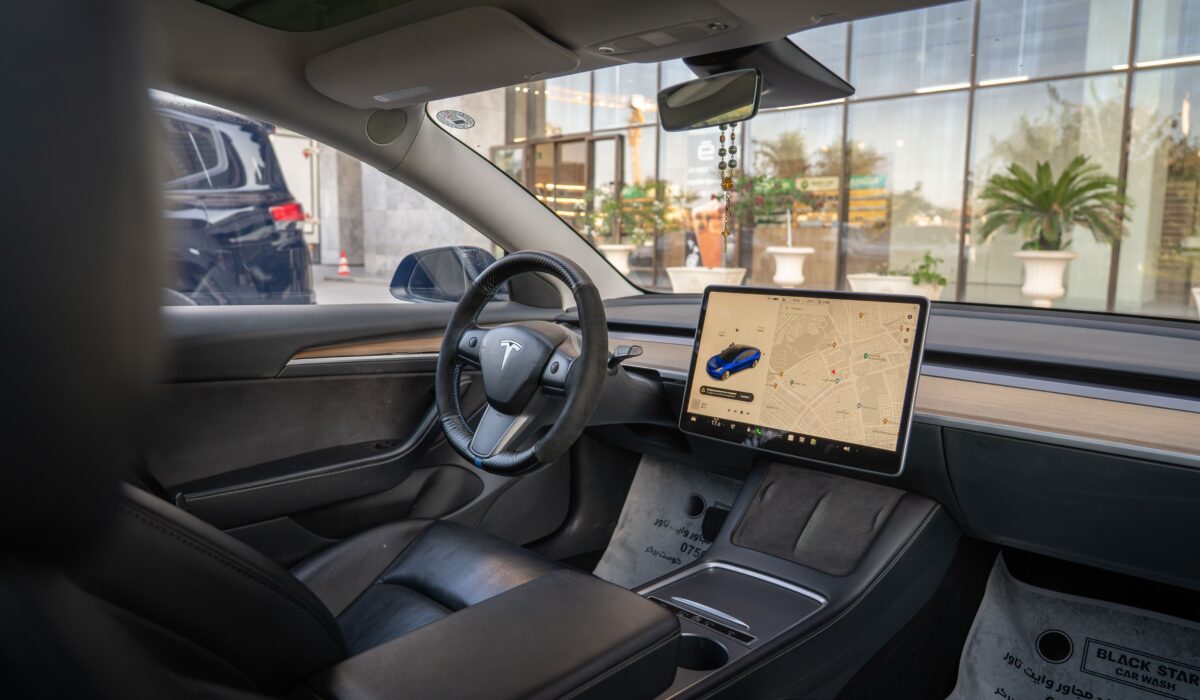
The digital cockpit evolution 2026 is moving beyond just larger screens. It’s about seamless integration and intelligent interaction. Automakers like Nissan, with their next-generation interior technologies unveiled in December 2025, are showcasing fully digital cockpits that combine instrument clusters and touchscreens into expansive, cohesive displays.
Wellness and Connectivity as Core Features
In-car wellness features 2026 are becoming standard, with cabins designed to reduce stress and enhance well-being. This includes air purification systems, mood lighting, and even biometric sensors that monitor driver fatigue or stress levels.
Connectivity is no longer just about Bluetooth; it’s about a fully integrated ecosystem. Platforms like Google’s expanded Android Automotive OS are now controlling not just infotainment but also climate, lighting, and seat settings, enhancing personalization and connectivity inside vehicles, according to a DataM Intelligence Report (March 2026).
Integrating New Technologies into 2026 Car Interiors
Integrating new technologies into 2026 car interiors is primarily focused on creating intelligent, intuitive, and immersive user experiences through advanced Human-Machine Interface (HMI) solutions and AI. The infotainment and HMI components segment is the fastest-growing within the automotive interior market, expanding at a CAGR of 8.8% over the forecast period, highlighting its critical role in the **Future of Automotive Interiors 2026**, according to MarketsandMarkets (2026). This growth signifies a strong industry push towards sophisticated digital interactions.
The goal is to minimize driver distraction while maximizing functionality and comfort for all occupants. This involves a delicate balance of physical controls and digital interfaces.
Advanced HMI and AI in Car Interiors 2026
The HMI solutions automotive 2026 are evolving to be more predictive and less intrusive. This includes haptic feedback, gesture controls, and voice commands, allowing drivers to interact with their vehicles without taking their eyes off the road. Drew Winter, a Wards 10 Best Interiors & UX judge, notes that many 2026 test vehicles are returning essential controls like volume and climate to physical buttons, balancing modern design with practical usability.
AI in car interiors 2026 is enabling predictive maintenance, personalized recommendations, and even conversational assistants that learn driver habits. This creates a truly smart cabin that anticipates needs, rather than just reacting to commands.
Software-Defined Cabins and Over-The-Air Updates
The concept of software-defined cabins is revolutionizing vehicle interior design future. It means the functionality and features of the interior can be updated and enhanced over time through over-the-air (OTA) updates, similar to a smartphone.
This capability allows automakers to continually improve the user experience and introduce new features without requiring a physical visit to the dealership. It also enables deeper customization and subscription-based services, offering flexibility and longevity for the **Future of Automotive Interiors 2026**.
How Sustainable Materials Impact Automotive Interior Design by 2026
Sustainable materials significantly impact automotive interior design by 2026 by driving innovation towards eco-friendly alternatives and reducing the industry’s environmental footprint. Over 30% of new cars sold in Europe in 2026 are expected to feature some form of recycled interior material, according to the European Automobile Manufacturers Association (2026). This statistic underscores a clear commitment to sustainability across the sector.
The push for sustainable automotive interior materials is not just about compliance; it’s a key differentiator for consumers who prioritize environmental responsibility. This includes everything from seat fabrics to dashboard components.
Eco-Friendly Fabrics and Finishes
Car interior design materials 2026 are increasingly incorporating recycled content, bio-based polymers, and natural fibers. Volvo, for instance, uses Nordico fabric made from recycled plastic bottles and cork in its interiors, showcasing a commitment to reducing waste. The Volvo XC40 Recharge further exemplifies this with seat fabrics made from recycled PET bottles.
Vegan leather, popularized by Tesla Model 3, continues to gain traction as a cruelty-free and often more durable alternative to traditional leather. Brands like Mercedes-Benz and Toyota are also integrating natural wood and bamboo trims, offering luxury without compromising on ecological values.
The Role of Lightweight and Recyclable Components
Beyond aesthetics, the sustainable automotive interior materials focus also extends to lightweighting, which improves fuel efficiency in internal combustion engine vehicles and extends range in electric vehicles. Materials like flax composite fabrics from Bcomp and recycled fiber fabrics from EcoTechnilin are being adopted by brands like BMW, Volvo, Mercedes, and Porsche.
These advanced materials offer comparable performance to traditional options while being more environmentally sound and easier to recycle at the end of a vehicle’s life. This holistic approach is crucial for the **Future of Automotive Interiors 2026**.
Autonomous Driving’s Influence on Car Interiors in 2026
Autonomous driving’s influence on car interiors in 2026 is profound, transforming the cabin from a driver-centric cockpit into a flexible, multi-functional “third living space.” This fundamental shift redefines the primary purpose of the vehicle interior, moving beyond mere transportation to encompass relaxation, productivity, and entertainment. This evolution is central to the **Future of Automotive Interiors 2026**, as driver involvement decreases.
The liberation from constant driving duties opens up entirely new possibilities for interior layouts and features. The focus shifts to passenger comfort and utility.
Reconfigurable and Flexible Interior Layouts
Autonomous vehicle interior concepts emphasize reconfigurable layouts, featuring swivel seats, reclining seats, and modular components. These designs allow occupants to face each other, engage in work, or simply relax, much like a lounge.
Tesla’s Cybercab, planned for 2026 production, exemplifies this with a spacious, minimalistic design for two passengers, focusing on a large 20.5-inch central infotainment screen. This reflects the direction of future robotaxi interiors, where maximizing usable space and comfort is key.
Enhanced Entertainment and Productivity Features
With drivers no longer needing to focus solely on the road, the **Future of Automotive Interiors 2026** includes advanced entertainment and productivity features. Large, integrated displays, augmented reality head-up displays (like in the Porsche Macan 4S Electric), and personalized sound zones will create immersive media experiences. For a deeper dive into car technology, you might find our guide on Best Car GPS Trackers 2026 helpful.
The vehicle interior design future will also support mobile office functionalities, complete with integrated tables, charging pads, and robust connectivity for video conferencing and work. This makes travel time productive, not just commuting.
Navigating the Hurdles: Challenges in 2026 Automotive Interior Implementation
Navigating the hurdles for 2026 automotive interior implementation involves overcoming significant challenges related to cost, supply chain complexities, cybersecurity, and regulatory compliance. The aspiration for highly advanced and personalized cabins often clashes with the practical realities of mass production and economic feasibility, a critical consideration for the **Future of Automotive Interiors 2026**. Automakers must balance cutting-edge innovation with manufacturing efficiency.
From experience, the journey from concept car to production vehicle is often fraught with compromises, especially when dealing with novel materials and complex software systems. The key is strategic planning and collaboration across the supply chain.
Cost-Effective Scalability and Supply Chain Resilience
One of the primary challenges is achieving cost-effective scalability for premium features and sustainable materials. New technologies and eco-friendly options often come at a higher cost, which can impact vehicle pricing and consumer adoption.
Ensuring a resilient supply chain for innovative components and sustainable materials is also crucial. Geopolitical factors, resource availability, and manufacturing capacities can all affect the timely and affordable delivery of these interior advancements.
Cybersecurity and Regulatory Compliance
As car interior technology advancements lead to more connected and software-defined cabins, cybersecurity becomes a paramount concern. Protecting personal data, preventing unauthorized access, and ensuring the integrity of vehicle systems are critical for consumer trust.
Adhering to evolving safety regulations and data privacy laws across different regions adds another layer of complexity. The **Future of Automotive Interiors 2026** must comply with stringent global standards, requiring continuous adaptation and robust testing protocols.
Beyond Comfort: The Human Experience in 2026 Digital Cabins
Beyond comfort, the human experience in 2026 digital cabins centers on enhancing well-being, reducing cognitive load, and creating emotionally resonant spaces. The vehicle interior design future is moving towards holistic user experiences that prioritize not just physical ease but also mental and emotional states. This focus on the psychological impact is a distinguishing feature of the **Future of Automotive Interiors 2026**.
What most people miss is that a truly advanced interior shouldn’t just be functional; it should be calming, engaging, and intuitive, anticipating user needs without overwhelming them. It’s about creating a sanctuary.
Minimizing Cognitive Load and Digital Fatigue
With the proliferation of screens and digital interfaces, a major design challenge is to minimize cognitive load. Hyundai’s Ioniq 6, for example, features a single-panel touchscreen interface designed to reduce visual clutter and simplify interactions, directly addressing this concern.
The goal is to provide necessary information and controls efficiently, without causing digital fatigue. This includes intelligent placement of controls, contextual displays, and a judicious use of haptic feedback to provide a tactile sense of interaction, as seen in the Wards 10 Best Interiors & UX 2026 winners like the Mercedes-Benz CLA 250+ Electric.
Emotional Connection and Immersive Environments
The **Future of Automotive Interiors 2026** aims to foster an emotional connection with the user, creating immersive environments that adapt to mood and purpose. This might involve personalized soundscapes, dynamic ambient lighting that changes with driving conditions, and even integrated aromatherapy systems.
The focus is on creating a sense of safety, familiarity, and delight, making the cabin a space where occupants genuinely enjoy spending time. This “experience economy” within the cabin is a defining aspect of modern vehicle interior design.
Projected Market Size for Automotive Interiors in 2026
The projected market size for automotive interiors in 2026 reflects robust growth, driven by technological advancements and increasing consumer demand for premium, personalized, and sustainable cabins. The global automotive interior market is estimated at **USD 186.80 billion in 2026** and is projected to reach USD 217.11 billion by 2033, growing at a CAGR of 2.2%, according to MarketsandMarkets (2026). This significant valuation underscores the strategic importance of interior innovation.
This market expansion is not uniform across all segments, with certain areas experiencing particularly rapid growth. The Asia Pacific region stands out as a dominant force.
Key Market Segments and Growth Drivers
The EV segment of the global automotive interior market was valued at **USD 83.4 million in 2026** and is projected to reach USD 173.6 million by 2033, growing at a strong CAGR of 11.1%, according to MarketsandMarkets (2026). This rapid growth is fueled by the global shift towards electric vehicles, which often feature more advanced and minimalist interiors.
Another significant growth driver is the automotive interior materials market, valued at **USD 189.37 billion in 2026**, projected to reach USD 251.30 billion by 2034 with a CAGR of 3.60%, according to Mordor Intelligence (2026). The synthetic leather segment, in particular, is expanding at a CAGR of 8.1% over the forecast period, driven by demand for premium aesthetics and sustainability.
Regional Market Dominance
Asia Pacific is projected to account for the highest revenue share, at **over 55.3% in 2026**, within the automotive interior market, according to MarketsandMarkets (2026). This regional dominance is attributed to high vehicle production volumes, a growing middle class, and increasing adoption of advanced automotive technologies in countries like China, India, and Japan. The region’s robust manufacturing capabilities and consumer demand for technologically advanced and luxurious vehicle interiors contribute significantly to the overall market size for the **Future of Automotive Interiors 2026**.
Frequently Asked Questions
What are the major trends shaping car interiors in 2026?
Major trends shaping car interiors in 2026 include hyper-personalization, advanced digital cockpits, sustainable materials, and a focus on in-car wellness features. A McKinsey survey indicates 71% of automotive executives expect interiors to be more important than exteriors (2026), driving innovation in these areas. Automakers are striving to create adaptive and intuitive cabin environments.
What new technologies are being integrated into automotive interiors?
New technologies integrated into automotive interiors include advanced Human-Machine Interfaces (HMI), artificial intelligence (AI) for personalization, and software-defined cabins with over-the-air updates. The infotainment and HMI components segment is the fastest-growing, with an 8.8% CAGR over the forecast period, according to MarketsandMarkets (2026). These innovations aim to enhance connectivity and user experience.
How are sustainable materials impacting automotive interior design?
Sustainable materials are impacting automotive interior design by promoting the use of recycled content, bio-based polymers, and natural fibers. Over 30% of new European cars in 2026 are expected to use recycled interior materials, according to the European Automobile Manufacturers Association (2026). This shift reduces environmental impact and meets consumer demand for eco-friendly vehicles.
How will autonomous driving change car interiors?
Autonomous driving will transform car interiors by enabling flexible, reconfigurable layouts, turning the cabin into a “third living space” for relaxation or productivity. Concepts like Tesla’s Cybercab, planned for 2026, feature spacious, minimalist designs with large central screens, reflecting this shift. The focus moves from driver control to passenger comfort and utility.
What is the projected market size for automotive interiors in 2026?
The global automotive interior market is estimated at USD 186.80 billion in 2026, according to MarketsandMarkets (2026). This substantial market size reflects the increasing investment in advanced technologies, sustainable materials, and personalized features within vehicle cabins. Asia Pacific is projected to hold over 55.3% of this revenue share.
The **Future of Automotive Interiors 2026** is clearly defined by a convergence of technological innovation, environmental responsibility, and a deep understanding of human needs. From hyper-personalized digital cockpits to sustainable materials and autonomous-ready designs, the vehicle cabin is evolving into a truly immersive and intelligent space. As automakers navigate the complexities of implementation, the focus remains on creating experiences that are not just comfortable, but genuinely enhance well-being and productivity. Explore these transformative trends to understand how your next car’s interior will redefine your journey.
Key Takeaways
- The global automotive interior market is estimated at USD 186.80 billion in 2026, according to MarketsandMarkets (2026).
- Over 30% of new cars sold in Europe in 2026 are expected to feature recycled interior materials, according to the European Automobile Manufacturers Association (2026).
- McKinsey’s Future of Automotive Executive Survey indicates that 71% of executives expect vehicle interiors to become more important than exteriors.
- The infotainment and HMI components segment is the fastest-growing, expanding at a CAGR of 8.8% over the forecast period, according to DataM Intelligence (2026).
- Asia Pacific is projected to account for over 55.3% of the automotive interior market revenue in 2026, solidifying its market dominance.
Are you wondering what the inside of your next vehicle will look like, or how it will interact with you? The **Future of Automotive Interiors 2026** is not just about aesthetics; it’s about a profound transformation in how we experience mobility, driven by technology, sustainability, and human-centric design. This ultimate guide will explore the pivotal trends, innovations, and challenges shaping the next generation of car cabins.
Quick Answer: The future of automotive interiors in 2026 is defined by hyper-personalization, sustainable materials, advanced HMI, and software-defined cabins. Expect seamless connectivity, enhanced wellness features, and flexible layouts, balancing aspirational design with practical implementation challenges for a truly immersive in-car experience.