
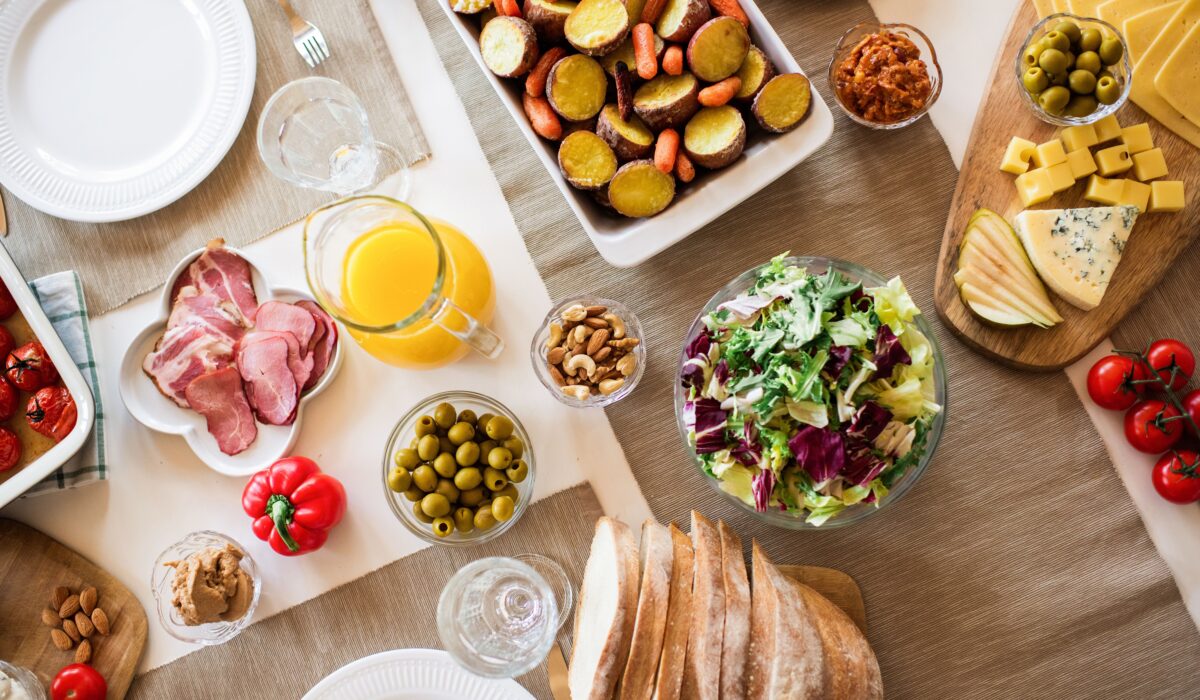
Getting started on your journey to better health often brings up the question: what truly defines **Healthy Eating Habits 2026**? Navigating the evolving landscape of nutrition science and dietary trends can feel overwhelming, but this guide will cut through the noise, offering clear, evidence-based strategies to cultivate sustainable and impactful eating patterns this year.
Key Takeaways
- The global healthy foods market is projected to reach US$897 billion in 2026, according to Tastewise (2025).
- More than 90% of women and 97% of men do not meet daily fiber intake, according to a 2026 UConn Dietetics Master’s student article.
- Nearly half of U.S. adults resolved to start a new diet in 2026, according to a December 2025 Physicians Committee for Responsible Medicine/Morning Consult survey.
- Over 36% of consumers seek foods labeled “high in prebiotics and gut-friendly fibers,” based on a 2025 Tastewise survey.
- Prioritizing whole foods, personalized nutrition, and mindful eating forms the core of effective healthy eating habits for 2026.
Quick Answer: For 2026, the top healthy eating habits emphasize whole foods, prioritizing fiber and protein, personalizing nutrition with technology, embracing smart home cooking, and staying hydrated. Focus on consistent, small changes and diverse plant-based options over restrictive diets for sustainable well-being.
What are the Top Nutrition Trends for 2026?
The top nutrition trends for 2026 are primarily driven by a greater emphasis on personalized health, gut microbiome understanding, and the integration of technology, moving beyond one-size-fits-all diets. A 2025 Tastewise survey found that nearly 39% of consumers link healthy food to mental clarity, indicating a holistic approach to well-being. These emerging trends are shaping the future of **Healthy Eating Habits 2026**.
Consumers are increasingly seeking foods that offer functional benefits, extending beyond basic sustenance. Jamie Miller, Village Health Clubs Dietitian, notes that in 2026, “nutrition is becoming more intentional and function-focused than ever before.” This shift highlights a desire for food choices that actively support specific health goals, from boosting energy to improving cognitive function.
Personalized nutrition is gaining significant traction, with technologies like ZOE offering tailored dietary advice based on individual biological responses. This approach moves away from generalized recommendations, providing specific guidance that better aligns with a person’s unique metabolism and health needs. Understanding your body’s specific requirements is crucial for developing effective **Healthy Eating Habits 2026**.
Another prominent trend involves a deeper focus on gut health, with over 36% of consumers more likely to try foods labeled “high in prebiotics and gut-friendly fibers,” according to a 2025 Tastewise survey. This highlights the growing awareness of the gut’s role in overall health, influencing everything from immunity to mood. Integrating gut health diet tips will be vital for **Healthy Eating Habits 2026**.
What are the 7 Essential Healthy Eating Habits for 2026?
The 7 essential **Healthy Eating Habits for 2026** focus on whole, nutrient-dense foods, mindful consumption, and practical strategies for long-term health. The 2025-2030 Dietary Guidelines for Americans, released in January 2026 by the USDA and HHS, reinforce the importance of reducing added sugars and highly processed foods. These guidelines provide a framework for developing robust **Healthy Eating Habits 2026**.
Building sustainable eating habits requires a foundation of consistent, positive choices. Dr. Graham Colditz, associate director of prevention and control at Siteman Cancer Center, emphasizes that “small changes can have meaningful health benefits, and those benefits grow over time.” This perspective underscores the power of incremental adjustments in forming lasting **Healthy Eating Habits 2026**.
Here are seven core habits to adopt:
- Prioritize Whole, Unprocessed Foods: Base your diet on fruits, vegetables, whole grains, lean proteins, and healthy fats. These foods provide essential vitamins, minerals, and fiber, crucial for overall well-being. This is a fundamental aspect of **Healthy Eating Habits 2026**.
- Boost Your Fiber Intake: More than 90% of women and 97% of men do not meet the recommended daily intake for dietary fiber (25g for women, 38g for men), according to a 2026 UConn Dietetics Master’s student article. Focus on high fiber foods like legumes, oats, and berries.
- Embrace Plant-Based Whole Foods: Incorporate more plant-based meals, not just processed meat alternatives. Think lentils, beans, nuts, and seeds as primary protein sources. This shift supports both personal health and sustainable eating habits for 2026.
- Practice Mindful Eating: Pay attention to your hunger and fullness cues, savoring meals without distraction. This can improve digestion and prevent overeating, a key component of effective **Healthy Eating Habits 2026**.
- Stay Adequately Hydrated: Water is vital for every bodily function. Make it your primary beverage, reducing sugary drinks, which is a simple yet powerful step for **Healthy Eating Habits 2026**.
- Plan and Prepare Meals: Meal prep ideas healthy eating can save time and prevent impulsive unhealthy choices. Dedicate time each week to planning and preparing nutritious meals and snacks.
- Listen to Your Body’s Unique Needs: Personalized nutrition plans 2026 are increasingly important. Pay attention to how different foods make you feel and adjust your diet accordingly. This self-awareness is central to adopting truly beneficial **Healthy Eating Habits 2026**.

How Can I Eat Healthy on a Budget in 2026?
Eating healthy on a budget in 2026 is entirely achievable by focusing on smart shopping, meal planning, and utilizing cost-effective, nutrient-dense ingredients. A December 2025 Physicians Committee for Responsible Medicine/Morning Consult survey revealed that over 80% of respondents consider the cost of groceries important when choosing a weight-loss plan, highlighting budget as a significant factor in adopting **Healthy Eating Habits 2026**.
The key is to leverage seasonal produce, staple pantry items, and strategic cooking methods. Buying in bulk for non-perishable goods like whole grains and legumes can significantly reduce costs over time. This mindful approach helps maintain **Healthy Eating Habits 2026** without breaking the bank.
Consider these practical tips for budget-friendly **Healthy Eating Habits 2026**:
- Shop Seasonally and Locally: Seasonal fruits and vegetables are often cheaper and fresher. Check local farmers’ markets or grocery store flyers for sales.
- Prioritize Plant-Based Proteins: Lentils, beans, chickpeas, and tofu are inexpensive, versatile, and packed with protein and fiber. These are excellent choices for sustainable eating habits 2026.
- Cook at Home More Often: Eating out frequently adds up. Preparing meals at home gives you control over ingredients and costs. This is a cornerstone of effective **Healthy Eating Habits 2026**.
- Plan Your Meals and Grocery List: Create a weekly meal plan and stick to a detailed shopping list to avoid impulse purchases and food waste.
- Utilize Frozen and Canned Produce: Frozen fruits and vegetables are just as nutritious as fresh, often cheaper, and last longer. Opt for low-sodium canned options.
Meal prepping, a core element of **Healthy Eating Habits 2026**, can also be a budget-saver. Preparing larger batches of meals like soups, stews, or grain bowls at the start of the week ensures you have nutritious options readily available, preventing costly takeout decisions.
Optimizing Nutrition While Using GLP-1 Medications in 2026
Optimizing nutrition while using GLP-1 medications in 2026 is crucial for maximizing their benefits and preventing nutrient deficiencies, requiring a focused approach on nutrient density. Medications like Ozempic, Wegovy, and Mounjaro reduce appetite, making every bite count for nutrient intake, as advised by Ian Marber, author of *The GLP-1 Handbook*. This makes mindful and strategic **Healthy Eating Habits 2026** even more important.
For individuals on GLP-1s, the goal is to prioritize protein, fiber, and hydration within a smaller eating window or reduced portion sizes. This ensures the body receives adequate building blocks and maintains satiety, supporting both weight management and overall health. Nutrition for GLP-1 users centers around quality over quantity.
Key considerations for **Healthy Eating Habits 2026** with GLP-1s:
- Focus on High-Quality Protein: Include lean protein sources at every meal to preserve muscle mass and enhance satiety. Examples include chicken, fish, eggs, Greek yogurt, and legumes.
- Maximize Fiber Intake: Despite reduced appetite, consuming sufficient fiber from fruits, vegetables, and whole grains aids digestion and promotes fullness. Emily Lenoir, a registered associate nutritionist, emphasizes that for fiber intake in 2026, “we’ll focus on quality not quantity.”
- Stay Hydrated: Drink plenty of water throughout the day, as reduced food intake can sometimes lead to lower fluid consumption. Electrolyte-rich fluids might also be beneficial.
- Choose Nutrient-Dense Foods: Opt for foods that pack the most nutritional punch per calorie, such as leafy greens, berries, nuts, and seeds. This is vital for **Healthy Eating Habits 2026** in this context.
- Consult with a Dietitian: A Registered Dietitian Nutritionist from organizations like the Academy of Nutrition and Dietetics can provide personalized nutrition plans 2026 tailored to your specific needs while on GLP-1 medications.
Are Nutrition Tracking Apps Still Relevant in 2026?
Yes, nutrition tracking apps are still highly relevant in 2026, evolving to offer more personalized, AI-driven insights and behavioral coaching, making them powerful tools for achieving **Healthy Eating Habits 2026**. While some debated their utility in the past, new innovations have solidified their place.
Modern apps go beyond simple calorie counting, integrating features like AI-powered photo recognition and adaptive goal setting. This allows for a more nuanced understanding of dietary patterns and provides actionable feedback. For many, these tools are indispensable for maintaining **Healthy Eating Habits 2026**.
Many tools assist in forming **Healthy Eating Habits 2026**:
- PlateLens uses AI to analyze food photos, providing estimated nutritional breakdowns without manual entry, streamlining the tracking process.
- Apps like MyFitnessPal and Cronometer offer extensive databases for detailed macronutrient and micronutrient tracking, catering to specific dietary goals.
- Behavioral coaching platforms, such as Noom, combine tracking with psychological principles to help users build sustainable eating habits 2026.
- Welling.ai provides AI personal nutrition coaching, offering tailored advice that adapts to your progress and preferences, making personalized nutrition plans 2026 more accessible.
While tracking can be beneficial, it’s essential to use these tools as guides rather than rigid rules. The goal is to foster awareness and make informed choices, not to obsess over every calorie. The best approach to **Healthy Eating Habits 2026** is one that integrates technology thoughtfully.

Debunking Common Healthy Eating Myths for 2026
Debunking common healthy eating myths for 2026 is crucial to avoid falling for misinformation and to build truly effective **Healthy Eating Habits 2026**. Frank Hu, professor of nutrition and epidemiology at Harvard T.H. Chan School of Public Health, emphasizes the importance of reducing added sugars and highly processed foods, which often hide behind misleading health claims.
The “quick fix” mentality often leads to restrictive diets that are unsustainable and can be detrimental to long-term health. True **Healthy Eating Habits 2026** are built on consistency and evidence, not fads. This means being critical of sensational claims and relying on reputable sources like the American Heart Association for guidance.
Let’s address some persistent myths:
- Myth: Detox diets are necessary to cleanse your body.
Fact: Your liver and kidneys naturally detoxify your body. Detox diets often involve extreme calorie restriction or expensive supplements with no scientific basis, hindering true **Healthy Eating Habits 2026**.
- Myth: All fat is bad.
Fact: Healthy fats, found in avocados, nuts, seeds, and olive oil, are essential for hormone production, nutrient absorption, and brain health. The American Heart Association’s 2026 Dietary Guidance promotes healthy fats as part of a balanced diet.
- Myth: You need to eliminate entire food groups.
Fact: Unless you have a diagnosed allergy or intolerance, a balanced diet includes a variety of food groups. Restriction can lead to nutrient deficiencies and an unhealthy relationship with food, undermining **Healthy Eating Habits 2026**.
- Myth: Supplements can replace a poor diet.
Fact: Supplements are meant to *supplement* a healthy diet, not compensate for a lack of whole foods. No pill can replicate the complex synergy of nutrients found in real food, which is critical for **Healthy Eating Habits 2026**.
Building Sustainable Healthy Eating Habits for Life
Building sustainable **Healthy Eating Habits for Life** in 2026 means focusing on small, consistent changes that integrate seamlessly into your lifestyle, rather than drastic, temporary overhauls. Angel Planells, a Registered Dietitian Nutritionist and Academy Spokesperson for the Academy of Nutrition and Dietetics, states, “Balanced, varied, and realistic food choices can support energy, performance, resilience, and overall well-being at every age.” This long-term perspective is key.
The goal isn’t perfection, but progress. Small, manageable steps are more likely to stick and accumulate into significant health improvements over time. This approach to **Healthy Eating Habits 2026** emphasizes adaptability and enjoyment, making healthy choices feel less like a chore.
Consider these strategies for lasting **Healthy Eating Habits 2026**:
- Start Small: Instead of overhauling your entire diet, pick one or two habits to change at a time, such as adding a vegetable to every meal or drinking more water. This is a foundational principle for **Healthy Eating Habits 2026**.
- Focus on Addition, Not Just Restriction: Instead of dwelling on foods to avoid, focus on incorporating more nutrient-dense foods you enjoy. This positive framing can make **Healthy Eating Habits 2026** feel more achievable.
- Find Your “Why”: Understand your personal motivation for eating healthy, whether it’s more energy, better sleep, or disease prevention. This intrinsic motivation fuels sustainable eating habits 2026.
- Be Patient and Kind to Yourself: There will be slip-ups; that’s normal. Instead of giving up, learn from them and get back on track. Consistency, not strictness, is the hallmark of effective **Healthy Eating Habits 2026**.
- Seek Support: Share your goals with friends, family, or a health professional. Accountability and encouragement can make a big difference in maintaining **Healthy Eating Habits 2026**. You might find inspiration in resources like “Top 5 Benefits of Walking Daily 2026” or “Top 5 Benefits of Mindful Eating for Health 2026” for holistic well-being.
Ultimately, the most effective **Healthy Eating Habits 2026** are those you can maintain consistently. It’s about finding joy in nourishing your body and making choices that support your long-term health goals.
Frequently Asked Questions
What are the top nutrition trends for 2026?
The top nutrition trends for 2026 include personalized nutrition, a strong focus on gut health, functional foods, and the integration of technology for dietary insights. A 2025 Tastewise survey showed over 36% of consumers seek gut-friendly fibers, indicating a clear trend towards targeted wellness. These trends are shaping the future of **Healthy Eating Habits 2026**.
How can I eat healthy on a budget in 2026?
You can eat healthy on a budget in 2026 by planning meals, cooking at home, utilizing seasonal and frozen produce, and prioritizing cost-effective plant-based proteins like beans and lentils. Over 80% of consumers consider grocery cost important for diet choices, according to a December 2025 Physicians Committee for Responsible Medicine/Morning Consult survey. Smart shopping is essential for sustainable **Healthy Eating Habits 2026**.
What foods should I eat more of in 2026?
In 2026, you should eat more whole, unprocessed foods like fruits, vegetables, whole grains, lean proteins, and healthy fats, with a particular emphasis on high-fiber options. More than 90% of women and 97% of men do not meet daily fiber intake, according to a 2026 UConn Dietetics Master’s student article. Incorporating diverse plant-based whole foods is a key aspect of **Healthy Eating Habits 2026**.
How can I build sustainable healthy eating habits?
Building sustainable healthy eating habits involves making small, consistent changes, focusing on adding nutritious foods rather than just restricting, and finding intrinsic motivation. Dr. Graham Colditz notes that “small changes can have meaningful health benefits, and those benefits grow over time.” Patience and self-compassion are vital for developing lasting **Healthy Eating Habits 2026**.
Are nutrition tracking apps still relevant in 2026?
Yes, nutrition tracking apps remain highly relevant in 2026, offering advanced features like AI-powered photo recognition and personalized insights to support dietary goals. Tools like PlateLens and ZOE provide tailored guidance beyond basic calorie counting. These technologies can significantly enhance your ability to develop and maintain **Healthy Eating Habits 2026**.
Embracing **Healthy Eating Habits 2026** is about making informed, sustainable choices that support your overall well-being. By focusing on whole foods, prioritizing fiber and protein, leveraging personalized nutrition insights, and adopting mindful eating practices, you can build a foundation for lasting health. Start with small, consistent changes and remember that progress, not perfection, is the path to truly impactful **Healthy Eating Habits 2026**. Take the first step today towards a healthier, more vibrant you.