
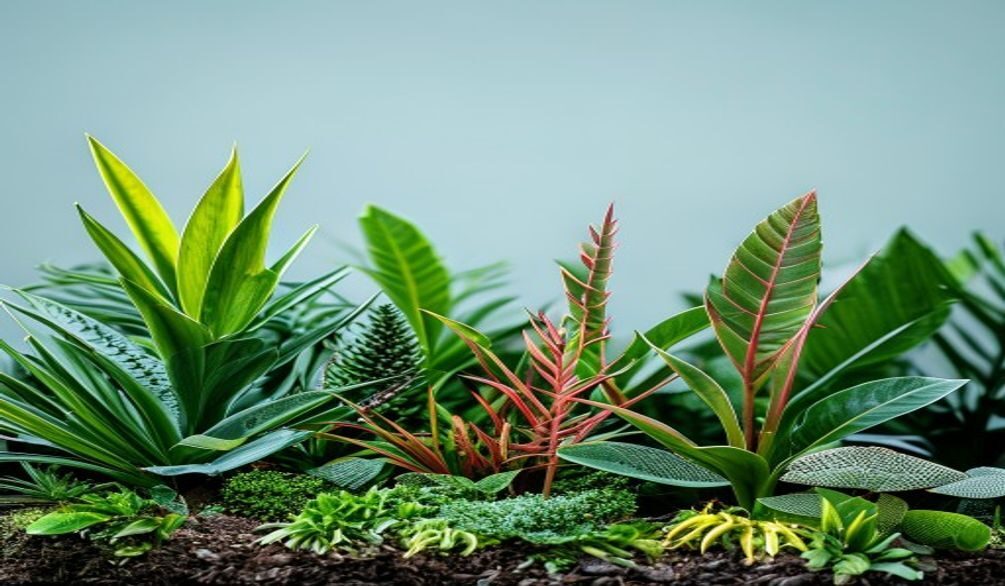
Key Takeaways
- Over 20% of global plant species are currently threatened with extinction, according to various conservation reports.
- Botanical gardens collectively house at least one-third of known plant species, including more than 40% of all threatened species.
- A report by Conservation International and the International Union for Conservation of Nature (IUCN) in April 2026 warned that over 40% of 8,500+ soil-dependent species face extinction.
- The illegal trade in trafficked plants and animals is a multi-billion dollar per year industry, estimated at over $10 billion annually.
- Conserving 9,945 specific angiosperm species can most effectively preserve deep evolutionary heritage, a May 2026 study identified.
Are you aware of the silent crisis unfolding in the plant kingdom, and how Rare Botanical Gardens Conserving Endangered Plants are humanity’s last line of defense? These specialized institutions are far more than beautiful landscapes; they are critical bastions safeguarding the planet’s most vulnerable flora against extinction, a threat that looms larger than ever in 2026.
Quick Answer: Rare botanical gardens act as vital global ‘arks,’ actively conserving endangered plant species through specialized collections, seed banks, and reintroduction programs. They safeguard genetic diversity, combat illegal trade, and mitigate habitat loss, ensuring the survival of unique flora worldwide.
Why Are Rare Botanical Gardens Critical for Plant Conservation in 2026?
Rare botanical gardens are absolutely critical for plant conservation in 2026 because they serve as indispensable living laboratories and genetic repositories for species on the brink. More than 20% of plant species are currently threatened with extinction globally, according to various conservation reports. These institutions provide essential ex-situ conservation methods, protecting biodiversity outside of natural habitats.
The grim reality is that roughly 21% of angiosperm evolutionary history is at risk of extinction, as identified by a May 2026 study. Botanical gardens step in to preserve this irreplaceable heritage, often focusing on rare flora conservation that might otherwise be lost forever. Their role extends beyond simple preservation to active research and restoration.
Professor Samuel Brockington, Curator of Cambridge University Botanic Garden, emphasized in January 2025 that “A concerted, collaborative effort across the world’s botanic gardens is now needed to conserve a genetically diverse range of plants, and to make them available for research and future reintroduction into the wild.” This highlights the proactive, interconnected approach that defines modern plant conservation efforts. The work of Rare Botanical Gardens Conserving Endangered Plants is a global endeavor.
Botanical gardens collectively hold at least one-third of known plant species in their collections, including over 40% of all threatened species, according to comprehensive analyses by organizations like Botanic Gardens Conservation International (BGCI). This makes them unparalleled safe havens for plant biodiversity preservation. Without these dedicated efforts, the rate of plant extinction would be significantly higher.
Top 5 Rare Botanical Gardens Conserving Endangered Plants Globally
The following five rare botanical gardens exemplify excellence in global plant conservation through their specialized collections and innovative programs. These institutions are at the forefront of protecting unique plant collections and implementing effective strategies for rare flora conservation.
Here are five leading examples of Rare Botanical Gardens Conserving Endangered Plants:
- University of California Botanical Garden at Berkeley (USA): This garden is renowned for its specialized “cycad jail,” a dedicated facility protecting some of the world’s rarest cycads, including the *Encephalartos woodii*, often considered the last known member of its species. The garden became home to 1,000 cycads after “Operation Botany” in 2005, a significant bust of illegal plant trade. Their commitment to such unique plant collections is exemplary.
- The Huntington Botanical Gardens (Southern California, USA): Operating as a crucial plant rescue center, The Huntington Botanical Gardens plays a significant role in combating illegal plant trade. They are actively launching public awareness campaigns with international partners to highlight this issue, focusing on trafficked plants. This institution is a beacon among Rare Botanical Gardens Conserving Endangered Plants.
- United States Botanic Garden (Washington D.C., USA): The USBG maintains a notable collection of rare and endangered plants, such as *Lignum vitae* (*Guaiacum officinale*), listed as “Endangered” by the International Union for Conservation of Nature (IUCN) due to overharvesting. They also participate in the Plant Rescue Center Program, accepting hundreds of confiscated protected plants, predominantly orchids and succulents, for conservation and education.
- Jawaharlal Nehru Tropical Botanic Garden and Research Institute (India): This institute has achieved significant success in identifying populations, collecting, and storing seeds from five IUCN Red Listed Critically Endangered trees and shrubs endemic to the Western Ghats of India. Species like *Cinnamomum chemungianum* and *Dipterocarpus bourdillonii* have been successfully propagated and reintroduced into their garden, demonstrating effective botanic gardens conservation methods.
- Royal Botanic Gardens, Kew (UK): While large and well-known, Kew’s global reach through its Millennium Seed Bank Partnership makes it a powerhouse for rare plant conservation. It focuses on collecting and storing seeds from 25% of the world’s wild plant species by 2020 and continues these efforts, especially for dryland species. Kew’s dedication to global plant crisis solutions is unparalleled.
Each of these institutions demonstrates distinct approaches and unparalleled dedication to the urgent mission of preserving the planet’s botanical heritage. They are living examples of how Rare Botanical Gardens Conserving Endangered Plants contribute to global biodiversity. Their efforts are crucial for the future of plant life.
How Do Botanical Gardens Conserve Endangered Plant Species?
Botanical gardens conserve endangered plant species through a multi-faceted approach that combines scientific research, living collections, and public engagement. These institutions are vital hubs for ex-situ conservation methods, protecting plants outside their natural habitats. For instance, botanical gardens hold at least one-third of known plant species in their collections, including over 40% of all threatened species, according to analyses by Botanic Gardens Conservation International (BGCI).
Their strategies often include:
- Ex-situ Conservation: This involves cultivating endangered plants in controlled environments, such as greenhouses or specialized display gardens, where they can be protected from immediate threats. These unique plant collections serve as genetic reservoirs.
- Seed Banks: Collecting and storing seeds from rare and endangered species in controlled conditions to preserve genetic diversity for future reintroduction. This is a cornerstone of botanical garden endangered species programs.
- Reintroduction Programs: Working to propagate plants and then reintroduce them back into their native habitats once threats are mitigated. The North Carolina Botanical Garden, for example, partnered with Fort Bragg since 2011 to propagate and reintroduce federally endangered species like the rough-leaved loosestrife.
- Research and Taxonomy: Conducting scientific studies on plant biology, genetics, and ecology to better understand conservation needs and develop effective strategies. This research is vital for developing global plant crisis solutions.
The Morton Arboretum, through its global tree conservation initiatives, highlights the importance of collaboration. Murphy Westwood, Director of Global Tree Conservation at The Morton Arboretum, states that “Botanical gardens and arboreta are hubs of expertise, and the critical link between people and plants.” This emphasizes their role not just as protectors, but as educators and scientific leaders. These Rare Botanical Gardens Conserving Endangered Plants are essential for our planet’s future.
Many botanical gardens also engage in habitat restoration, working to improve degraded natural areas and create suitable conditions for plant survival. This holistic approach ensures that conservation efforts are both broad and deeply impactful. Their commitment to plant biodiversity preservation is unwavering.
What is the Role of Seed Banks in Rare Plant Conservation?
Seed banks play an absolutely critical role in rare plant conservation by acting as genetic insurance policies, safeguarding the future of plant species against habitat loss, climate change, and other threats. They are a primary method of ex-situ conservation, preserving biodiversity by storing seeds in controlled, low-temperature, low-humidity environments. For example, the Millennium Seed Bank Partnership at Royal Botanic Gardens, Kew, aims to conserve 25% of the world’s wild plant species in their vaults.
The primary function of seed banks endangered plants is to maintain genetic diversity that might otherwise be lost in the wild. This genetic material is crucial for future research, breeding programs, and reintroduction efforts. Without seed banks, many species facing immediate threats would have no backup plan.
A report led by Conservation International and the International Union for Conservation of Nature (IUCN), published in Oryx in April 2026, warns that over 40% of more than 8,500 soil-dependent species are at risk of extinction or are Data-Deficient on The IUCN Red List of Threatened Species™. Seed banks provide a vital safeguard for these vulnerable species. They offer a tangible solution to the ongoing global plant crisis.
The success of seed banks hinges on meticulous collection, storage, and viability testing. Seeds are regularly tested to ensure they remain viable, and new collections are continuously sought to broaden the genetic representation. This rigorous scientific process underscores the importance of these facilities for Rare Botanical Gardens Conserving Endangered Plants.
In practice, seed banks complement living collections in botanical gardens. While living collections offer opportunities for public display and immediate research, seed banks provide a long-term, space-efficient solution for storing vast numbers of genetic samples. This dual approach maximizes the chances of survival for endangered flora.
Combating Illegal Plant Trade: A Key Mission for Botanical Gardens
Combating illegal plant trade is a key mission for botanical gardens because this illicit activity poses a significant and often overlooked threat to global plant biodiversity, driving many species towards extinction. The illegal trade in trafficked plants and animals is estimated to be at least a $10 billion per year industry, according to Sean Lahmeyer of The Huntington Botanical Gardens. Botanical gardens are uniquely positioned to fight this crisis.
These institutions act as critical recipients and caretakers for confiscated plants, providing a safe haven and often a last chance for survival for illegally collected specimens. The University of California Botanical Garden at Berkeley, for instance, became home to 1,000 cycads after “Operation Botany” in 2005, a notorious bust of illegal plant trade. This demonstrates their role in direct intervention.
The United States Botanic Garden (USBG) actively participates in the Plant Rescue Center Program, accepting hundreds of confiscated protected plants, mostly orchids and succulents, for conservation and education. This program highlights how botanical gardens collaborate with law enforcement to mitigate the damage caused by illegal plant trade solutions. These efforts are crucial for Rare Botanical Gardens Conserving Endangered Plants.
Beyond direct rescue, botanical gardens also contribute through expert identification and public awareness campaigns. Their taxonomic expertise helps identify illegally traded species, which is vital for prosecution and for understanding trade routes. The Huntington Botanical Gardens is launching a public awareness campaign with international partners to highlight this issue, underscoring the importance of education in combating illegal plant trade.
By providing scientific support, housing rescued plants, and educating the public, Rare Botanical Gardens Conserving Endangered Plants are on the front lines of the fight against this destructive global commerce. Their work ensures that rare flora conservation is not just about cultivation, but also about active defense.
Challenges and Future of Botanical Gardens in Biodiversity Preservation
Botanical gardens face significant challenges in biodiversity preservation, including chronic underfunding, the escalating impacts of climate change, and the need for more cohesive global data systems. A major hurdle is that a study published in PeerJ in January 2026 by the Center for Biological Diversity found 2,204 species in the United States alone should be considered for protection, indicating the sheer scale of the conservation task. These institutions must constantly adapt to new threats and resource constraints.
The future of botanical garden challenges hinges on increased collaboration, technological innovation, and sustainable funding models. Paul Smith, Secretary-General of Botanic Gardens Conservation International (BGCI), highlighted in January 2026 that “harnessing the full conservation potential of living collections requires a step-change in how collections data are documented, standardised and connected through a global data ecosystem.” This speaks to the need for better information sharing among Rare Botanical Gardens Conserving Endangered Plants.
Key areas for future development include:
- Enhanced Data Sharing: Creating a global network where data on plant collections, genetic diversity, and conservation status can be easily accessed and utilized by researchers worldwide. This would significantly improve global plant crisis solutions.
- Climate Change Adaptation: Developing strategies to protect existing collections from extreme weather events and researching drought-resistant or heat-tolerant varieties for future reintroduction programs. This is a critical aspect of biodiversity preservation.
- Public Engagement and Education: Inspiring a new generation of conservationists and increasing public understanding of the importance of plant life. Emma Grover, Project Manager of the Nurturing Nature Initiative at the New York Botanical Garden, noted in July 2025 that botanical gardens are “uniquely positioned to contribute to this work” through their living collections and role as living laboratories.
- Sustainable Funding: Exploring innovative funding mechanisms, including partnerships with corporations, philanthropic organizations, and government grants, to ensure long-term financial stability for botanic gardens conservation methods.
The commitment of Rare Botanical Gardens Conserving Endangered Plants to overcome these challenges is unwavering. From experience, fostering robust international partnerships, such as those facilitated by Botanic Gardens Conservation International (BGCI), is paramount. These collaborations allow for shared expertise and resources, strengthening the collective impact against global threats.
Which Botanical Gardens Lead in Research for Rare Plants?
Several botanical gardens lead in research for rare plants by actively conducting groundbreaking scientific studies, developing innovative conservation techniques, and publishing findings that inform global conservation strategies. The Royal Botanic Gardens, Kew, is a prominent example, with its extensive research programs in taxonomy, genetics, and seed biology supporting its Millennium Seed Bank. This institution is a global leader in understanding and preserving plant diversity.
The University of California Botanical Garden at Berkeley is another leader, particularly noted for its research into cycads and other ancient plant lineages. Their work contributes significantly to understanding the evolutionary history and specific conservation needs of these vulnerable species. Such in-depth research is fundamental to the mission of Rare Botanical Gardens Conserving Endangered Plants.
The Morton Arboretum also stands out for its leadership in global tree conservation research, focusing on understanding and protecting threatened tree species worldwide. Their scientific teams investigate issues ranging from disease resistance to climate change impacts on forest ecosystems. This makes them a key player in plant biodiversity preservation.
These institutions don’t just house plants; they are centers of scientific inquiry, developing new ex-situ conservation methods and informing in-situ strategies. Their research often involves cutting-edge genetic analysis to ensure the health and viability of rare plant reintroduction programs. The depth of their scientific contributions is what truly sets them apart.
Frequently Asked Questions
What is the biggest botanical garden for rare plants?
The Royal Botanic Gardens, Kew, is one of the largest and most globally influential botanical gardens for rare plants, boasting an unparalleled collection and extensive seed banking efforts. It houses millions of preserved plant specimens and actively conserves a vast array of rare flora, including seeds from 25% of the world’s wild plant species. Its global reach and comprehensive research make it a powerhouse among Rare Botanical Gardens Conserving Endangered Plants.
Which botanical garden has the most species?
The Royal Botanic Gardens, Kew, is widely recognized for having one of the world’s largest and most diverse collections of plant species, encompassing both living plants and preserved specimens. Their extensive holdings include millions of herbarium specimens and a vast living collection, making it a critical hub for global plant biodiversity preservation. This unparalleled collection underpins its status as a leader in rare flora conservation.
Which botanical gardens focus on conservation?
Many botanical gardens worldwide focus intensely on conservation, with prominent examples including the University of California Botanical Garden at Berkeley, The Huntington Botanical Gardens, and the United States Botanic Garden. These institutions prioritize ex-situ conservation, seed banking, and reintroduction programs to protect endangered species. Their dedicated botanical garden endangered species programs are crucial for the survival of vulnerable flora.
What is the best botanical garden for research?
The Royal Botanic Gardens, Kew, is consistently ranked among the best botanical gardens for research, particularly in taxonomy, genetics, and conservation biology. Its scientific endeavors are supported by vast collections, advanced laboratories, and a global network of collaborations. This extensive research underpins effective botanic gardens conservation methods and contributes significantly to global plant crisis solutions.
How do botanical gardens combat illegal plant trade?
Botanical gardens combat illegal plant trade by serving as plant rescue centers for confiscated specimens, providing expert taxonomic identification, and launching public awareness campaigns. The Huntington Botanical Gardens, for example, is actively campaigning against the illegal trade, which is estimated at over $10 billion per year. Their multifaceted approach provides critical illegal plant trade solutions and supports law enforcement.
The vital work of Rare Botanical Gardens Conserving Endangered Plants cannot be overstated. These institutions are more than just beautiful places; they are crucial scientific centers, living arks, and educational beacons in the face of a rapidly accelerating global plant crisis. By supporting these botanical gardens, you contribute directly to the safeguarding of Earth’s irreplaceable biodiversity for future generations. Explore, learn, and advocate for these incredible bastions of botanical hope.