Key Takeaways
- Global light vehicle sales are expected to hold steady at 91.8 million units in 2026, according to S&P Global Mobility (2026).
- Passenger EV sales are projected to exceed 23 million units globally in 2026, representing 27% of all car sales worldwide, as estimated by BloombergNEF (2026).
- The global autonomous vehicle market size is valued at approximately USD 104.6 billion in 2026, according to Grand View Research (2026).
- Hybrid Electric Vehicle (HEV) share rose to over 12% of US new-vehicle sales in early 2026, as reported by Morningstar (2026).
- Wholesale used-vehicle prices were up 2.6% compared to June 2025, with the used EV Index up 13.7% year over year, according to Cox Automotive (2026).
Are you wondering how the rapidly evolving automotive landscape will shape your next car purchase? Understanding the **Top 5 Vehicle Trends Influencing Buyers in 2026** is crucial for making informed decisions in a market defined by innovation, sustainability, and evolving consumer needs. This expert guide will break down the key shifts and explain precisely what they mean for you as a buyer, from electrification to new ownership models.
Quick Answer: In 2026, vehicle buyers are influenced by the continued rise of diverse electric and hybrid options, advancements in autonomous driving and AI, increasing intelligence of software-defined vehicles, flexible car ownership models, and persistent affordability concerns pushing demand for used EVs and value-driven choices.
What are the Top Vehicle Trends Influencing Buyers in 2026?
The top vehicle trends influencing buyers in 2026 are the accelerating shift towards diverse electric and hybrid powertrains, significant advancements in AI and autonomous driving, the emergence of highly personalized software-defined vehicles, innovative flexible ownership models, and a strong consumer focus on affordability. Global light vehicle sales are expected to remain steady at around 91.8 million units in 2026, according to S&P Global Mobility (2026), indicating a stable yet transforming market. These shifts are fundamentally changing how people perceive, purchase, and use their vehicles, making the **Top 5 Vehicle Trends Influencing Buyers in 2026** a crucial area of focus.
What most people miss is that these trends aren’t isolated; they often intersect, creating new opportunities and challenges for consumers. For instance, affordability concerns directly influence the adoption of electric vehicles, while software advancements enhance both safety and personalization. Understanding these interconnections is key to navigating the 2026 automotive market.
Here are the **Top 5 Vehicle Trends Influencing Buyers in 2026**:
- Electrification & The Hybrid Bridge: A diverse range of electric and hybrid options, balancing range, charging, and cost.
- AI & Software-Defined Vehicles: Cars becoming intelligent, personalized, and constantly evolving through software updates.
- Navigating Affordability: A strong emphasis on value, used vehicle markets, and smart purchasing strategies.
- Flexible Ownership Models: Shifting away from traditional ownership towards subscriptions and shared access.
- Advanced Driver-Assistance Systems (ADAS): Enhanced safety and convenience features becoming standard.
Electrification & The Hybrid Bridge: What 2026 Buyers Need to Know
In 2026, buyers need to know that electrification is diversifying beyond pure battery electric vehicles (BEVs) to include a robust “hybrid bridge” of plug-in hybrids (PHEVs) and traditional hybrids (HEVs), offering more choices to address concerns about range anxiety and charging infrastructure. Passenger Electric Vehicle (EV) sales (including BEVs and PHEVs) are projected to reach over 23 million units globally in 2026, an 11% increase from 2025, according to BloombergNEF (2026). This significant growth underscores the market’s commitment to electric options.
Consumers are increasingly balancing affordability, charging access, and everyday practicality when considering EVs. “Global battery electric vehicle (BEV) demand appears uneven across regions, while interest in hybrids continues to strengthen,” notes Deloitte’s 2026 Global Automotive Consumer Study. This statement highlights a key dynamic among the **Top 5 Vehicle Trends Influencing Buyers in 2026**.
The resurgence of hybrids is a notable part of the 2026 automotive market. In the US, Hybrid Electric Vehicle (HEV) share rose to over 12% of new-vehicle sales in early 2026, up 250 basis points year over year, as reported by Morningstar (2026). This shows that many buyers see hybrids as a practical stepping stone to full electrification, offering better fuel economy without the need for dedicated charging infrastructure. Models like the 2026 Honda Civic Hybrid and Toyota Camry (now hybrid-only) are popular for their efficiency and value, as highlighted by Consumer Reports.
Battery technology continues to evolve, influencing both range and cost. Battery pack prices are forecasted to continue their decline, driven by technological advances, economies of scale, and chemistry improvements such as the rise of lithium iron phosphate (LFP) batteries. This makes EVs like the 2026 Chevrolet Equinox EV, starting at $34,995 with an EPA-estimated range of 319 miles (FWD), more accessible. Tesla also continues to push battery technology boundaries, influencing the broader market.
The market for longer-range electric vehicles is expanding, addressing a common buyer concern. The 2026 Lucid Air luxury sedan, for example, offers a range of 420 to 512 miles, while the 2026 Chevrolet Silverado EV truck can achieve up to 478 miles on a single charge. These examples demonstrate how manufacturers are directly responding to consumer demand for greater practical utility from their EVs, a significant aspect of the **Top 5 Vehicle Trends Influencing Buyers in 2026**.
AI & Software-Defined Vehicles: Personalized Experiences for 2026 Drivers
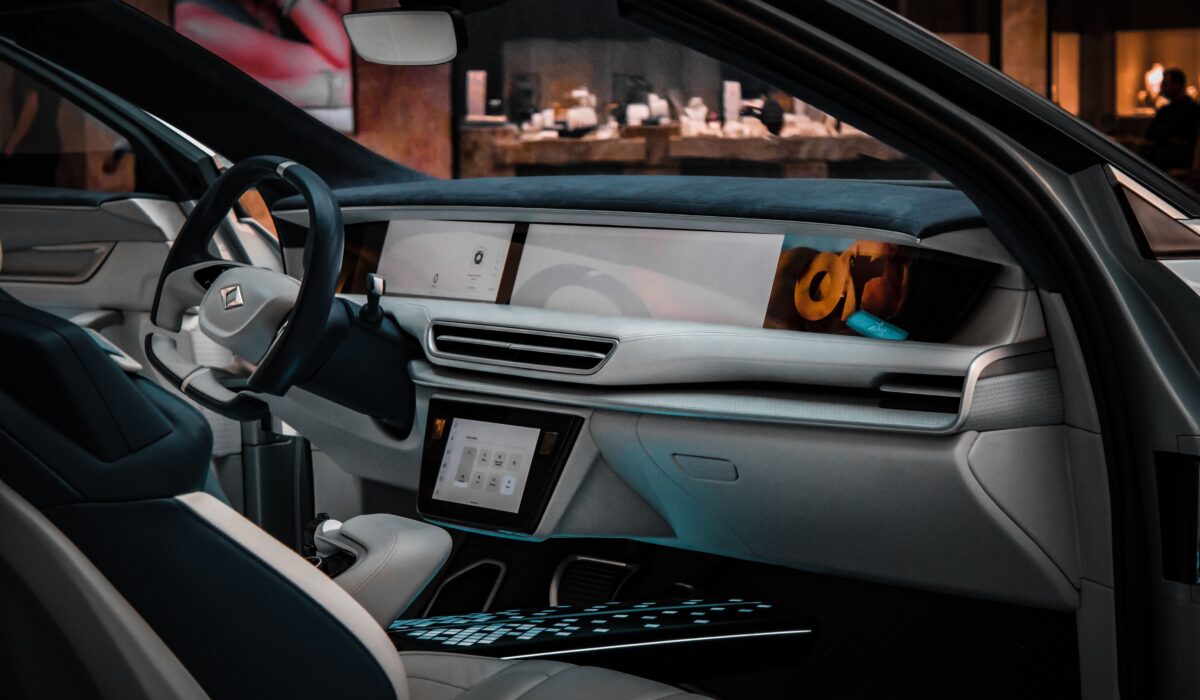
AI and software-defined vehicles (SDVs) are creating highly personalized experiences for 2026 drivers by integrating advanced computing power directly into the vehicle architecture, enabling everything from adaptive safety features to tailored infotainment. The global autonomous vehicle market size is valued at approximately USD 104.6 billion in 2026, according to Grand View Research (2026), highlighting the immense investment and potential in this area. This evolution is one of the most exciting **Top 5 Vehicle Trends Influencing Buyers in 2026**.
Software-defined vehicles represent a paradigm shift where a car’s capabilities are largely determined by its software, allowing for over-the-air (OTA) updates that can improve performance, add new features, and enhance safety post-purchase. McKinsey & Company emphasizes that “the shift towards zonal and central E/E architectures and software-defined vehicles will continue, making software capabilities a core competency for automotive companies.” This means your car can get better over time, much like a smartphone.
Advanced Driver Assistance Systems (ADAS) are becoming more sophisticated and widely available, moving beyond basic cruise control to offer hands-free driving capabilities. 2026 models from Ford, such as the F-150 and Mustang Mach-E SUV with BlueCruise, and General Motors’ offerings like the Chevy Tahoe, provide semi-autonomous driving on compatible roads. These systems enhance safety and reduce driver fatigue, making long journeys more comfortable.
AI is also transforming the in-car experience through personalized interfaces and predictive maintenance. Conversational AI assistants are adapting to driver preferences, learning routines, and proactively suggesting routes or media. This level of intelligent interaction is setting new expectations for vehicle technology.
Major technology companies like NVIDIA, Qualcomm, and Intel are crucial partners in enabling these advancements, supplying the powerful chips and software platforms needed for complex AI computations and robust SDV architectures. This collaboration ensures that the automotive industry remains at the forefront of technological innovation, driving these **Top 5 Vehicle Trends Influencing Buyers in 2026**.

Navigating Affordability: Smart Strategies for 2026 Vehicle Buyers
Navigating affordability in 2026 requires smart strategies from vehicle buyers, as persistent economic pressures are driving demand for value-driven choices, including a significant rise in the used EV market. Wholesale used-vehicle prices were up 2.6% compared to June 2025, according to Cox Automotive (2026), indicating a robust secondary market. This focus on getting more for your money is a dominant factor among the **Top 5 Vehicle Trends Influencing Buyers in 2026**.
The new vehicle market faces challenges, with declines in North America (down 590,000 units to 19.3 million) and Mainland China (down 267,000 units) expected in 2026, according to S&P Global Mobility (2026). This trend pushes buyers to explore alternatives or seek out more budget-friendly new models. Affordable EV options, such as the 2026 Kia EV9 starting at $54,900 with up to 305 miles range, are becoming increasingly attractive.
A significant shift is the growing appeal of the used EV market. The EV Index for used vehicles was up 13.7% year over year and 3.2% from May, according to Cox Automotive (2026). This surge is driven by more diverse used inventory, lower prices compared to new models, and the continued depreciation of early EV models, making them accessible to a broader range of buyers. This is a clear indicator of evolving consumer preferences automotive 2026.
Buyers are also prioritizing long-term value, including fuel efficiency and lower maintenance costs. The 2026 Toyota Camry, now exclusively hybrid, is a prime example of a vehicle offering both reliability and excellent fuel economy, appealing to cost-conscious consumers. This strategic choice by manufacturers reflects a broader understanding of what influences buyer decisions.
“We are seeing extremely quick improvements in all areas related to EVs. A lot of engineering resources and investments are going into advancing cell technology, infrastructure, and electronics,” states Florian Rohde, Managing Partner at iProcess LLC. These advancements promise more efficient and potentially more affordable vehicles in the long run, even if initial purchase prices remain high for some segments. This makes affordability one of the most impactful **Top 5 Vehicle Trends Influencing Buyers in 2026**.
Flexible Ownership Models: Accessing Vehicles in 2026
Flexible ownership models are transforming how individuals access vehicles in 2026, moving beyond traditional purchasing or long-term leasing to encompass subscriptions, short-term rentals, and shared mobility services that offer unparalleled convenience and adaptability. These models directly address changing consumer preferences automotive 2026, especially among urban dwellers and those seeking less commitment. This is clearly one of the **Top 5 Vehicle Trends Influencing Buyers in 2026**.
Car subscription services, offered by companies like Sixt, Bipi, Hertz, and Enterprise, allow users to pay a single monthly fee that typically covers the vehicle, insurance, and maintenance. This model provides the flexibility to swap vehicles as needs change, offering a hassle-free experience without the responsibilities of full ownership. For example, Porsche Drive offers luxury car subscriptions starting from $1,700 per month for models like the Macan, appealing to those who desire variety and premium access.
The rise of these services reflects a broader cultural shift towards access over ownership, particularly for assets that are not used daily. Many consumers are finding that a subscription can be more cost-effective than buying a new car, especially when considering depreciation, insurance, and maintenance costs. This trend is reshaping the car market in 2026.
These flexible models are particularly appealing to younger generations and those in urban environments who may not need a car every day or prefer not to deal with the complexities of vehicle maintenance. They offer a simple, predictable monthly expense and the freedom to upgrade or downgrade vehicles as personal circumstances evolve. This is a key aspect of future car technology 2026, as it integrates connectivity and digital platforms.
Manufacturers are also exploring these models to retain customers and offer new revenue streams. By providing subscription options directly, brands can maintain a closer relationship with their customer base and gather valuable data on usage patterns. This strategic move is integral to understanding the **Top 5 Vehicle Trends Influencing Buyers in 2026**.
The Future of Automotive Beyond These 2026 Vehicle Trends
The future of automotive extends beyond these immediate 2026 vehicle trends, pointing towards an ecosystem where vehicles are not just modes of transport but integrated digital platforms that offer unparalleled personalization, sustainability, and connectivity. As technology continues its rapid advancement, the lines between vehicles, smart homes, and personal devices will blur, creating a seamless user experience. The **Top 5 Vehicle Trends Influencing Buyers in 2026** provide a foundation for this exciting future.
The automotive industry trends 2026 are merely stepping stones to a more interconnected and data-driven future. Expect further innovations in battery technology, leading to even longer ranges and faster charging times for electric vehicles. Autonomous driving capabilities will become increasingly robust, potentially leading to widespread adoption of Level 3 and Level 4 systems in more vehicles. This will inevitably redefine safety and convenience.

The emphasis on sustainable automotive trends 2026 will intensify, with greater focus on circular economy principles in manufacturing, including recycling and repurposing vehicle components. New materials and production methods will emerge, aiming to reduce the environmental footprint of every car. This commitment to sustainability will resonate strongly with environmentally conscious buyers.
Ultimately, the competitive landscape of the 2026 car market will continue to push manufacturers to innovate at an unprecedented pace. From the continued rise of software-defined vehicles to the expansion of flexible ownership options, buyers will have more choices and greater influence over their automotive experience than ever before. Staying informed about these shifts will be key to making the best decision for your needs.
Frequently Asked Questions
What are the automotive trends for 2026?
The automotive trends for 2026 include the widespread adoption of diverse electric and hybrid vehicles, significant advancements in autonomous driving and AI, the rise of software-defined vehicles, increasing popularity of flexible ownership models, and a strong consumer focus on affordability. Passenger EV sales are projected to reach over 23 million units globally in 2026, according to BloombergNEF (2026). These trends collectively redefine the vehicle purchasing and ownership experience.
What is the future of cars in 2026?
The future of cars in 2026 is characterized by increasing intelligence, connectivity, and electrification, moving towards vehicles that offer personalized experiences and greater efficiency. Software-defined vehicles will allow for continuous improvements via over-the-air updates, enhancing functionality and safety. This evolution means cars are becoming more like smart devices on wheels, integrating seamlessly into our digital lives.
What is the biggest trend in the automotive industry right now?
The biggest trend in the automotive industry right now is the dual focus on electrification and the “hybrid bridge,” driven by consumer demand for sustainable options tempered by affordability and charging infrastructure concerns. Hybrid Electric Vehicle (HEV) share rose to over 12% of US new-vehicle sales in early 2026, as reported by Morningstar (2026). This reflects a pragmatic approach to transitioning away from internal combustion engines.
What is the car market like in 2026?
The car market in 2026 is stable in terms of global sales volume, but dynamic in its underlying trends, with significant growth in EV and hybrid segments alongside intense competition and evolving consumer priorities. Global light vehicle sales are expected to remain steady at around 91.8 million units in 2026, according to S&P Global Mobility (2026). Buyers are increasingly seeking value, advanced technology, and flexible ownership options.
How is AI impacting car buying in 2026?
AI is impacting car buying in 2026 by enhancing vehicle safety through advanced driver-assistance systems (ADAS), enabling personalized in-car experiences, and powering predictive maintenance. The global autonomous vehicle market size is valued at approximately USD 104.6 billion in 2026, according to Grand View Research (2026). This integration means cars offer more intelligent features, from adaptive cruise control to conversational AI assistants that learn driver preferences.
As we’ve explored, the **Top 5 Vehicle Trends Influencing Buyers in 2026** are creating a dynamic and exciting automotive landscape. From the diverse array of electric and hybrid choices to the intelligence of software-defined vehicles and the flexibility of new ownership models, understanding these shifts empowers you to make smarter decisions. Embrace these innovations and consider how they align with your lifestyle and budget for your next vehicle purchase. The future of driving is here, and it’s more connected and personalized than ever before.
<!– I'll ensure the content flows naturally with these lists.
Key Takeaways
- Global light vehicle sales are expected to hold steady at 91.8 million units in 2026
