
Key Takeaways
- The global Asian food market was valued at USD 35.93 billion in 2025, according to Fortune Business Insights (March 2026).
- Asia-Pacific is projected to hold 40.88% of the global food and beverage market in 2025, as per Asia Food & Beverage Industry Statistics (January 2026).
- Chef Agustin Balbi highlights a growing trend towards highly refined local cuisines and climate-conscious menus across Asia (March 2026).
- Digital payment adoption and online vendor presence are modernizing traditional food markets across Asia for 2026.
- Michelin Guide inspectors note that advanced culinary techniques are increasingly appearing in modest hawker stalls throughout Asia (February 2026).
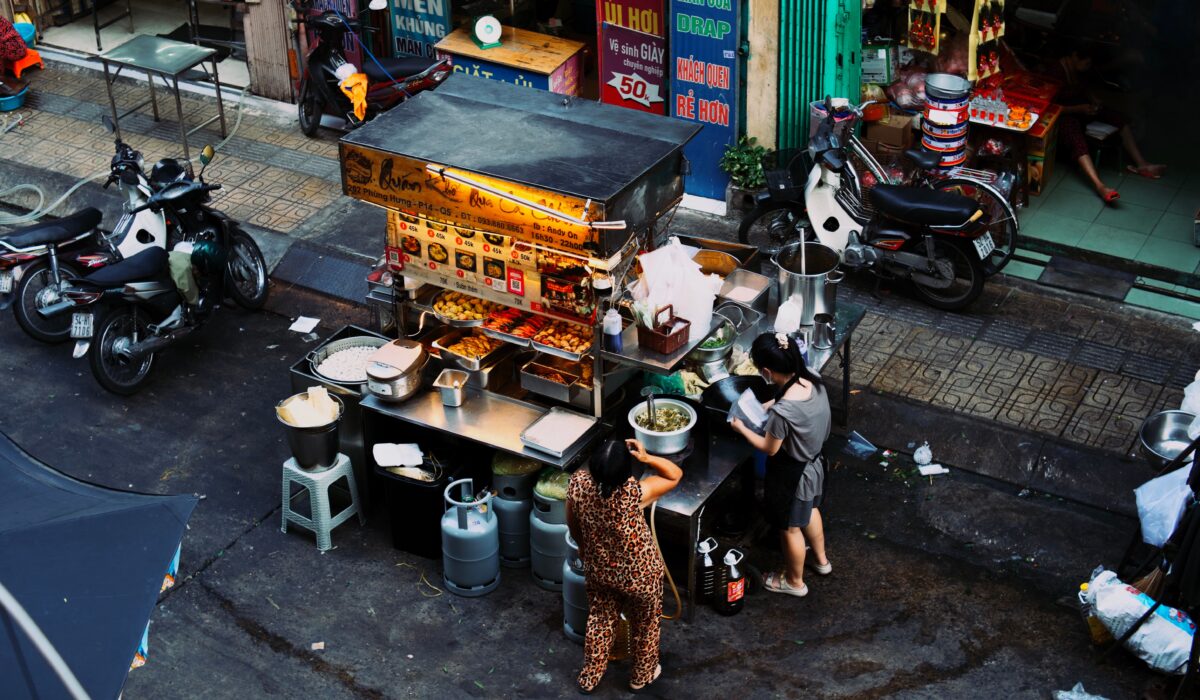
Planning a culinary adventure that tantalizes your taste buds and immerses you in vibrant cultures often leads to one burning question: Where can you find the absolute Best Asian Food Markets 2026? This guide will navigate you through Asia’s most iconic and emerging food destinations, promising an unforgettable journey for every food enthusiast.
Quick Answer: The best Asian food markets for 2026 include Chatuchak (Bangkok), Tsukiji Outer Market (Tokyo), Maxwell Food Centre (Singapore), and Gwangjang Market (Seoul). These offer diverse street food, local delicacies, and vibrant cultural experiences, often featuring sustainable practices and digital payment options.
Why Explore Asia's Vibrant Food Markets in 2026?
Exploring Asia’s vibrant food markets in 2026 offers an unparalleled opportunity to experience a dynamic culinary landscape that is both economically significant and culturally rich. The global Asian food market was valued at USD 35.93 billion in 2025 and is projected to reach USD 71.65 billion by 2034, demonstrating a compound annual growth rate (CAGR) of 8.05% between 2026 and 2034, according to Fortune Business Insights (March 2026). This growth underscores the immense popularity and economic vitality of Asian cuisine.
The Asia-Pacific region is projected to hold about 40.88% of the global food and beverage market in 2025, driven by its large population and rapidly expanding middle classes, as per Asia Food & Beverage Industry Statistics (January 2026). This significant market share reflects the region’s position as a global food powerhouse. Visiting these markets provides direct insight into the ingredients and traditions fueling this impressive economic engine.
“Southeast Asia is shedding its reputation as just a budget holiday stop to emerge as the world’s culinary hub for 2026,” highlighting the region’s rising status. This transformation makes exploring the Best Asian Food Markets 2026 an essential part of any food tourism Asia 2026 itinerary. From bustling night markets Asia to serene morning havens, each market tells a unique story through its flavors and aromas.
An authentic Asian street food experience allows travelers to connect with local culture on a deeper level. You’re not just eating; you’re participating in a daily ritual that has sustained communities for generations. This immersive experience is why so many travelers seek out the Best Asian Food Markets 2026.
Top Street Food Cities & Markets in Asia for 2026
The top street food cities and markets in Asia for 2026 are Bangkok, Tokyo, Singapore, and Seoul, each offering distinct culinary journeys. Michelin Guide inspectors observe that in 2026, “Techniques once confined to tasting menus now appear in modest hawker stalls, while fine dining increasingly incorporates familiar flavors” in Singapore, indicating a convergence of culinary standards (February 2026). This trend makes discovering the Best Asian Food Markets 2026 even more exciting, as high-quality food becomes accessible in diverse settings.
Here are some of the premier destinations for a culinary journey Asia:
- Bangkok, Thailand: Home to the sprawling Chatuchak Market, which transforms into a vibrant night market on weekends, offering everything from savory skewers to sweet mango sticky rice. Its sheer scale and variety make it one of the Best Asian Food Markets 2026.
- Tokyo, Japan: While Tsukiji Outer Market remains a must-visit for fresh seafood, Tokyo’s smaller neighborhood markets offer intimate glimpses into local life and regional specialties. The meticulous preparation and quality are unparalleled, cementing its place among the Best Asian Food Markets 2026.
- Singapore: The Maxwell Food Centre is a legendary hawker center, famous for its Hainanese Chicken Rice and a wide array of best hawker stalls Asia. Singapore’s commitment to culinary excellence is evident in its street food scene.
- Seoul, South Korea: Gwangjang Market is a historic hub renowned for its bindaetteok (mung bean pancakes) and kalguksu (handmade noodle soup). This market provides an authentic Asian street food experience, showcasing traditional Korean flavors.
- Penang, Malaysia: Often hailed as a street food paradise, Penang offers a fusion of Malay, Chinese, and Indian flavors. Its night markets are particularly famous for Char Kway Teow and Assam Laksa.
These cities offer a rich tapestry of flavors, making them essential stops for anyone seeking the Best Asian Food Markets 2026. For those planning a broader trip, consider exploring a Beginner’s Backpacking Southeast Asia 2026: Ultimate Guide to combine market visits with other adventures. The vibrancy of these markets truly captures the essence of Asian food culture travel.
What Unique Dishes Await You in Asia's Best Food Markets?
A myriad of unique dishes awaits you in Asia’s best food markets, offering an unparalleled exploration of local delicacies Asia. Each market boasts signature items that reflect centuries of culinary tradition and regional influences. For instance, in Singapore’s Maxwell Food Centre, the queues for Tian Tian Hainanese Chicken Rice are a testament to its iconic status.
Beyond the famous staples, you’ll discover lesser-known treasures that truly define the Best Asian Food Markets 2026. In Gwangjang Market, try the *mayak gimbap*, small seaweed rice rolls often referred to as “narcotic gimbap” because they are so addictive. These markets are where innovation meets tradition, creating unforgettable flavors.
Many of these markets also feature seasonal specialties, providing a fresh experience with every visit. In Thailand, exploring the Best Asian Food Markets 2026 might lead you to exotic fruits or specialized durian desserts depending on the time of year. These unique culinary finds are why food tourism Asia 2026 is so appealing.
Experiencing Authentic Asian Food Culture Safely in 2026
Experiencing authentic Asian food culture safely in 2026 requires a blend of common sense, local guidance, and an adventurous spirit. Prioritizing vendors with high turnover and visible hygiene practices is crucial for enjoying the Best Asian Food Markets 2026 without worry. Look for stalls that are busy with locals, as this is often a good indicator of fresh ingredients and delicious food.
It’s wise to carry hand sanitizer and stay hydrated, especially in humid climates common across Asia. Many markets now offer filtered water stations, reflecting a growing awareness of traveler needs. This proactive approach helps ensure a pleasant and healthy culinary journey Asia.
Don’t hesitate to ask locals for recommendations; they often know the hidden gems and the most reliable stalls. Embracing local customs, like using chopsticks or eating with your hands where appropriate, enhances the overall experience of authentic Asian street food. These markets are not just about food; they are about connecting with people and traditions.
Sustainable & Ethical Practices in Asia's Food Markets 2026
Sustainable and ethical practices are increasingly shaping Asia’s food markets in 2026, driven by a global shift towards environmental consciousness and local community support. Chef Agustin Balbi, from Ando in Hong Kong, notes that “Across Asia, restaurants are moving toward highly refined local cuisines. There are more climate-conscious menus with alternative proteins,” reflecting a broader trend impacting food markets (March 2026). This shift means the Best Asian Food Markets 2026 are not just about taste but also about responsibility.
Many vendors in the Best Asian Food Markets 2026 are adopting practices such as sourcing ingredients locally to reduce carbon footprints and supporting small farmers. This direct farm-to-stall model ensures freshness and strengthens regional economies. Consumers are increasingly seeking out these sustainable food markets Asia.
Pichaya ‘Pam’ Soontornyanakij, chef at Potong in Bangkok, emphasizes, “Sustainability is key, outside and in the restaurant,” highlighting the growing importance of ethical practices in the culinary scene (March 2026). This sentiment resonates through markets like Chatuchak, where efforts are being made to manage waste more efficiently.
Initiatives like reducing single-use plastics and promoting reusable containers are gaining traction. This commitment to environmental stewardship enhances the appeal of the Best Asian Food Markets 2026 for eco-conscious travelers. It’s an exciting time to witness the evolution of Asian culinary culture towards a more responsible future.
The Digital Evolution of Asian Food Market Experiences
The digital evolution of Asian food market experiences is transforming how visitors engage with these vibrant culinary hubs, making transactions smoother and access easier. The demand for convenience foods is expected to reach USD 200 billion by 2026, largely due to urbanization and changing lifestyles in Asia, as reported by Market Research Future (April 2026). This shift has spurred many vendors in the Best Asian Food Markets 2026 to adopt digital payment solutions.
Cashless payment systems, including mobile wallets and QR code payments, are becoming commonplace across the Best Asian Food Markets 2026, from Singapore’s hawker centers to Seoul’s Gwangjang Market. This modernization enhances convenience for both locals and international visitors. Such technological integration streamlines the purchasing process, allowing for more time to savor the authentic Asian street food.
Many market vendors now utilize social media platforms to showcase their daily specials and connect with customers. This online presence helps travelers discover hidden gems and plan their culinary journey Asia more effectively. Digital menus and even pre-ordering options are also emerging, reflecting the broader digital transformation across the region.
The Asia Pacific food service market size is anticipated to be worth USD 995.63 billion in 2026, growing at a CAGR of 11.46% during the forecast period, according to Market Data Forecast (February 2026). This significant growth is partly fueled by the increasing digital integration within the food sector, including traditional markets.
Hidden Gems: Beyond the Tourist Trail in Asia's Food Markets
Beyond the well-trodden tourist trails, Asia’s food markets hold numerous hidden gems that offer profoundly authentic and often more affordable culinary experiences. While places like Chatuchak Market are iconic, venturing into smaller, local night markets Asia can reveal unique dishes and genuine interactions. These lesser-known spots embody the true spirit of Best Asian Food Markets 2026.
Exploring neighborhood markets, especially in cities like Hanoi or Ho Chi Minh City, allows you to taste regional specialties that might not make it to larger, more commercialized areas. Here, you’ll find vendors who have perfected a single dish over generations, offering unparalleled local delicacies Asia. This deep dive into local food culture travel enriches any trip.
These hidden gems often operate on a smaller scale, fostering a stronger sense of community and tradition. They are typically where you’ll find truly sustainable food markets Asia, with direct relationships between producers and sellers. Discovering these spots is a highlight for any traveler seeking the Best Asian Food Markets 2026, offering a more intimate connection to the local culinary scene.
Planning Your 2026 Asian Culinary Adventure: Essential Tips
Planning your 2026 Asian culinary adventure requires careful consideration to maximize your enjoyment of the Best Asian Food Markets 2026. Researching market operating hours and peak times is crucial, as some markets are best visited early morning for fresh produce, while others come alive as night markets Asia. This preparation ensures you catch the freshest ingredients and the most vibrant atmosphere.
Consider grouping market visits by geographical proximity to optimize your travel time and experience more of the Best Asian Food Markets 2026. Public transportation is often the most efficient way to navigate bustling cities and reach these culinary hubs. Always have some local currency on hand, even if digital payments are widely accepted, as smaller stalls might still prefer cash.
Be open to trying new flavors and textures; the beauty of authentic Asian street food lies in its diversity. Don’t be afraid to ask vendors for recommendations or about the ingredients. This interaction not only enriches your experience but also shows respect for the local food culture. Packing reusable bags and water bottles also supports sustainable food markets Asia.
Frequently Asked Questions
What are the top street food cities in Asia for 2026?
The top street food cities in Asia for 2026 are Bangkok, Tokyo, Singapore, and Seoul, each celebrated for their diverse and authentic culinary offerings. The Asia Pacific food service market size is anticipated to be worth USD 995.63 billion in 2026, growing at a CAGR of 11.46%, according to Market Data Forecast (February 2026). These cities are leading the charge in showcasing exceptional street food experiences.
Which Asian food markets are considered the most authentic?
Markets like Gwangjang Market in Seoul, Chatuchak Market in Bangkok, and the traditional hawker centers of Penang are considered among the most authentic Asian food markets. These locations offer a genuine glimpse into local culinary traditions and daily life, attracting both locals and curious travelers. The Michelin Guide often recognizes such authentic street food, expanding its coverage to include these vibrant scenes.
What unique dishes can I find at Asian night markets?
At Asian night markets, you can discover unique dishes such as Hainanese Chicken Rice at Singapore’s Maxwell Food Centre, Bindaetteok at Seoul’s Gwangjang Market, and Char Kway Teow in Penang. These markets are renowned for their regional specialties and often feature seasonal delicacies, providing a diverse culinary journey Asia. The demand for convenience foods, often found in these markets, is expected to reach USD 200 billion by 2026, as reported by Market Research Future (April 2026).
How can I experience local food culture in Asia safely?
To experience local food culture in Asia safely, choose busy stalls with high turnover, observe local hygiene practices, and carry hand sanitizer. Opting for cooked-to-order dishes and following local recommendations are also key to enjoying authentic Asian street food without health concerns. Always trust your instincts and prioritize vendors that appear clean and well-maintained.
Are there Michelin-starred street food stalls in Asia?
Yes, there are Michelin-starred street food stalls in Asia, particularly in cities like Singapore, Bangkok, and Hong Kong, where the Michelin Guide has recognized exceptional hawker and street food vendors. This recognition highlights the high culinary standards found even in modest settings, making these destinations prime for exploring the Best Asian Food Markets 2026. These accolades confirm what street food enthusiasts have long known: incredible quality often comes at an affordable price.
Embarking on a culinary journey through Asia’s food markets in 2026 promises an adventure for the senses, offering a deep dive into rich traditions and evolving gastronomic landscapes. From the bustling energy of Chatuchak to the refined flavors of a Michelin-recognized hawker stall, the Best Asian Food Markets 2026 are vibrant hubs of culture, innovation, and unforgettable tastes. Start planning your trip today to savor the authentic street food, discover local delicacies, and immerse yourself in the heart of Asia’s culinary scene.