
Key Takeaways
- Global EV sales are projected to reach 23 million in 2026, comprising 28-30% of total car sales worldwide, according to the International Energy Agency (IEA) (2026).
- Internal Combustion Engine (ICE) vehicles held an 88% market share in 2025, but the EV segment is projected to grow at a CAGR of 28.13% from 2026 to 2035, according to industry analysis (2026).
- Hybrid vehicles serve as a crucial “bridge technology” in 2026, offering efficiency and lower emissions without range anxiety, particularly in regions with developing charging infrastructure.
- Battery technology advancements in 2026, including solid-state and silicon anodes, are significantly improving EV range and charging times.
- Total Cost of Ownership (TCO) for EVs in 2026 can be lower over time due to reduced fuel and maintenance costs, despite higher upfront prices.
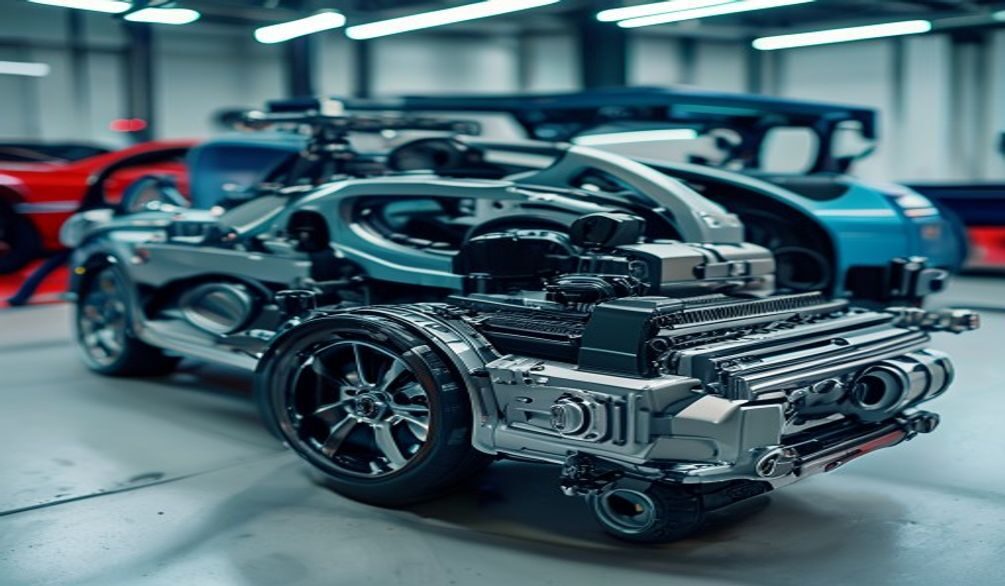
Navigating the complex landscape of vehicle choices can be daunting, but a detailed Automotive Powertrain Comparison 2026 is essential for making an informed decision. As the automotive industry rapidly evolves, understanding the nuances between electric vehicles (EVs), hybrids, and traditional internal combustion engine (ICE)