
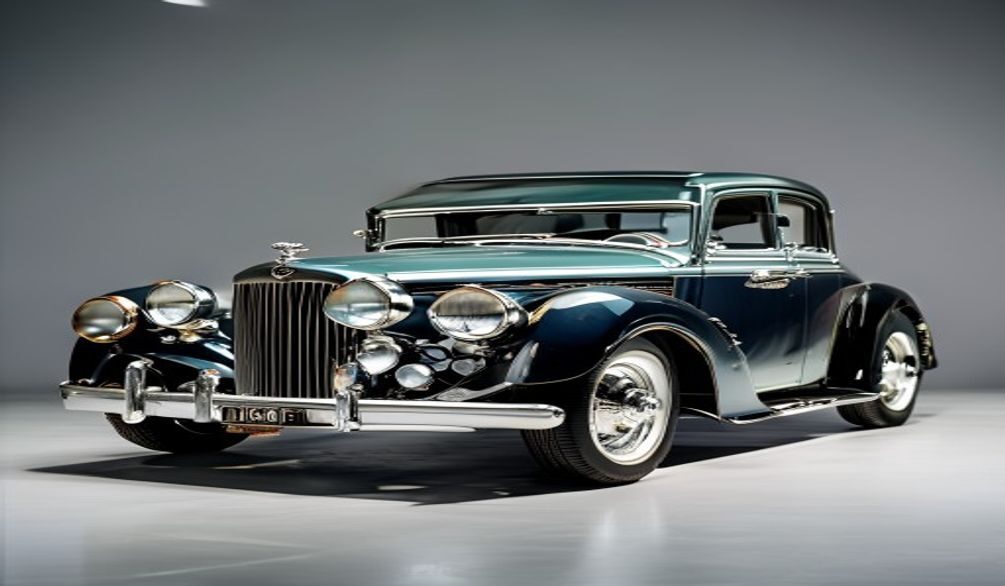
Key Takeaways
- The global automotive restoration market is projected to reach $6.24 billion in 2026, according to industry forecasts.
- Restomod builds are expected to lead service demand with a 39.5% share in 2026, combining vintage aesthetics with modern performance.
- Muscle cars are forecast to gain a 31.4% share of vehicle type demand by 2026 due to wide parts access and collector interest.
- Average classic car restoration costs can range from $20,000 for a refresh to over $200,000 for a concours-level rebuild.
- Labor typically accounts for 60-70% of total restoration expenses, with shop rates between $100 and $175 per hour.
Are you ready to transform a classic into a masterpiece and perhaps a lucrative investment? Identifying the **Top 5 Automotive Restoration Projects for 2026** requires a keen eye on market trends, cost implications, and long-term value. This guide will help you navigate the exciting world of classic car restoration, offering expert insights to ensure your next project is a success.
Quick Answer: In 2026, top classic car investments often include muscle cars due to parts availability and sustained interest, alongside select vintage European models. Restomods are also highly popular, combining classic aesthetics with modern performance for increased value and enjoyment.
How much does it cost to restore a classic car in 2026?
The cost to restore a classic car in 2026 can vary dramatically, heavily influenced by the vehicle’s initial condition, desired restoration level, and the rarity of parts. For a minor refresh, you might expect to pay around $20,000, while a concours-level, ground-up rebuild can easily exceed $200,000, according to industry estimates (2026). Labor costs are a significant factor in any of the Top 5 Automotive Restoration Projects for 2026.
Labor typically accounts for 60-70% of total restoration expenses, with average shop rates ranging between $100 and $175 per hour, as reported by various automotive restoration specialists (2026). This means that even a seemingly straightforward project can quickly accumulate significant costs if extensive professional work is required. Understanding these figures is crucial when planning your investment in a classic car restoration.
* Minor Refresh: $20,000 – $50,000 (cosmetic improvements, basic mechanical overhaul)
* Driver Quality Restoration: $50,000 – $100,000 (reliable and presentable, but not perfect)
* Show Quality Restoration: $100,000 – $200,000 (high attention to detail, excellent finish)
* Concours-Level Restoration: $200,000+ (flawless, factory-correct, highest standards)
The availability of parts also plays a critical role in the overall classic car restoration cost. For example, some vintage European models might require rare, specialized components that significantly inflate expenses and project timelines.
What are the Best Classic Cars to Invest in for 2026: Identifying Top Automotive Restoration Projects
Identifying the best classic cars to invest in for 2026 involves looking at models with sustained desirability, good parts availability, and a strong community of enthusiasts. Muscle cars are forecast to gain a 31.4% share of vehicle type demand by 2026, primarily due to wider parts access and consistent collector interest, according to market projections (2026). These characteristics make them ideal candidates for the **Top 5 Automotive Restoration Projects for 2026**.
When considering vintage car investment, look for cars that offer a balance between acquisition cost and potential appreciation. Jonathan Sieber, Senior Manager of Porsche Classic, emphasized the passion and precision involved in preserving these vehicles, stating, “These teams represent the heart of the Restoration Challenge—passion, precision, and the belief that every Classic Porsche has another chapter to write” (2026). This sentiment applies to any thoughtful restoration effort.
Some examples of promising classic car investment opportunities for 2026 include:
* 1960s-1970s American Muscle Cars: Models like the Ford Mustang (early generations), Chevrolet Camaro, and Pontiac GTO continue to be strong performers. Their iconic status and robust aftermarket support make them excellent restoration projects.
* Certain Porsche Models: Vintage Porsche 911s, especially air-cooled models from the 1970s and 80s, consistently hold and increase in value. Porsche Classic’s robust support for parts and restoration services further enhances their appeal.
* Japanese Sports Cars from the 1990s: Cars like the Toyota Supra (MkIV), Nissan Skyline GT-R, and Mazda RX-7 are appreciating rapidly. Their modern performance potential combined with classic styling makes them attractive.
* Affordable European Classics: Early Mercedes-Benz SL models (Pagoda), Alfa Romeo Spiders, and BMW E30 M3s offer a blend of style and driving enjoyment, often with a good return on investment if restored properly.
* Classic Pickups and SUVs: Vintage Ford Broncos, Chevrolet C10s, and Jeep Wagoneers have seen a surge in popularity. Their utility and nostalgic appeal make them strong contenders for a successful restoration.
Choosing the right vehicle for your **Top 5 Automotive Restoration Projects for 2026** is about more than just aesthetics; it’s about understanding the market and the practicalities of restoration.
Are classic car prices dropping in 2026?
In early 2026, the classic car market shows mixed signals, with high-end cars appealing to younger demographics maintaining strong enthusiasm, while a broader volume of cars has seen “ho-hum results” and a slight downward trend, according to Dave Kinney, Publisher of the Hagerty Price Guide (2026). This nuanced market performance means that while some segments are softening, particular models continue to appreciate, especially those considered prime for **Top 5 Automotive Restoration Projects for 2026**.
The collector car market in 2026 is experiencing a recalibration rather than a widespread crash. Factors such as rising interest rates and economic uncertainty can influence buyer behavior, leading to more selective purchasing. However, well-documented, rare, and professionally restored vehicles often defy general market trends, continuing to command premium prices.
What most people miss is that the market for classic cars is highly segmented. A 1960s muscle car with readily available parts might perform differently than a rare 1930s pre-war classic. It’s crucial to research specific models and their historical performance to make informed decisions about your classic car investment in 2026.
What is a "restomod" and why is it popular in 2026?
A Restomod is a classic car that has been restored with modern components and technology, blending vintage aesthetics with contemporary performance, safety, and comfort. This approach allows owners to enjoy the timeless design of a classic while benefiting from modern drivability, making it a highly popular choice for **Top 5 Automotive Restoration Projects for 2026**. Restomod builds are expected to lead service type demand with a projected 39.5% share in 2026, according to automotive market analysis (2026).
The popularity of Restomod projects stems from their ability to offer the best of both worlds. Owners can drive their classic cars regularly without the reliability concerns or uncomfortable driving dynamics often associated with purely original restorations. This trend has significantly boosted the value and appeal of many classic models, especially those with strong performance potential.
The key insight here is that Restomods often command higher prices than original restorations, provided the modifications are tastefully executed and professionally installed. These projects represent a significant portion of the demand in the automotive restoration market for 2026.
What are the current trends in the automotive restoration market for 2026?
The automotive restoration market for 2026 is characterized by significant growth, a strong focus on Restomods, and a sustained interest in specific vehicle types like muscle cars. The global automotive restoration market size is projected to grow from $6.24 billion in 2026 to $9.56 billion by 2034, exhibiting a Compound Annual Growth Rate (CAGR) of 5.5% during the forecast period, according to market research (2026). This growth underscores the enduring appeal of **Top 5 Automotive Restoration Projects for 2026**.
Several key trends are shaping the car restoration market growth:
* Rising Popularity of Restomods: As mentioned, Restomods are dominating demand, driven by enthusiasts seeking modern performance in a classic shell. This trend fuels innovation in aftermarket parts and specialized restoration shops.
* Increased Focus on Digitalization: Advanced 3D scanning and printing technologies are making it easier to reproduce rare or obsolete parts, reducing the barriers to restoring certain vehicles. This is particularly beneficial for complex **Top 5 Automotive Restoration Projects for 2026**.
* Sustainability and EV Conversions: While still niche, there’s a growing interest in eco-friendly restoration practices and electric vehicle (EV) conversions for classic cars. This offers a unique way to future-proof a vintage vehicle.
* Generational Shifts in Collecting: Younger collectors are increasingly drawn to 1980s and 1990s sports cars, along with classic trucks and SUVs, broadening the scope of desirable restoration candidates. This demographic shift influences what constitutes the **Top 5 Automotive Restoration Projects for 2026**.
* Global Expansion: Emerging markets are showing increased interest in classic cars, contributing to the overall market expansion and diversifying the types of vehicles sought for restoration.
In practice, these trends mean greater access to parts, more specialized services, and a wider range of vehicles considered viable for investment. This dynamic environment makes it an exciting time for anyone considering classic car restoration.
DIY vs. Professional Automotive Restoration Projects: What's Right for You?
Deciding between DIY and professional **Automotive Restoration Projects** hinges on your skill level, available time, budget, and the desired quality of the final product. While a DIY approach can save on labor costs, professional restoration ensures a higher quality finish and often increases the vehicle’s market value, especially for complex projects. Many of the **Top 5 Automotive Restoration Projects for 2026** benefit significantly from expert hands.
For beginners, tackling simpler tasks like interior refreshes, basic engine maintenance, or minor bodywork can be a rewarding entry point. However, complex tasks such as structural rust repair, intricate paint jobs, or complete engine rebuilds typically require specialized tools, facilities, and expertise that most DIYers lack. From experience, even experienced hobbyists often outsource critical stages.
Here’s a breakdown to help you decide:
* DIY Restoration:
* Pros: Significantly lower labor costs, personal satisfaction, deeper understanding of your vehicle.
* Cons: Requires extensive time, specialized tools, learning curve, potential for costly mistakes, may not achieve concours-level quality.
* Best for: Enthusiasts with mechanical aptitude, ample garage space, and a budget for tools and parts. Suitable for driver-quality finishes or projects where the journey is as important as the destination.
* Professional Restoration:
* Pros: Superior quality, access to expert knowledge and specialized equipment, faster completion times, higher resale value potential.
* Cons: High labor costs, less personal involvement in the physical work.
* Best for: Achieving show-quality or concours-level results, complex or rare vehicles, those with limited time or expertise, and when maximizing investment return is a priority.
When planning your **Top 5 Automotive Restoration Projects for 2026**, honestly assess your capabilities. Attempting a ground-up rebuild without the necessary skills can lead to frustration and a project that never gets finished.
Future-Proofing Your Classic: Sustainable Restoration Practices for 2026
Future-proofing your classic car involves adopting sustainable restoration practices and considering modifications that enhance longevity, environmental impact, and compliance with evolving regulations. This approach not only preserves automotive heritage but also makes your vehicle more relevant and enjoyable for years to come, aligning with the forward-thinking nature of **Top 5 Automotive Restoration Projects for 2026**. Using eco-friendly materials and modern rust prevention techniques are key aspects.
Sustainable restoration goes beyond just electric conversions. It encompasses careful material selection, waste reduction, and the use of modern, less harmful chemicals. For example, opting for bio-fuels where appropriate, or upgrading to more efficient engine components, can reduce a classic car’s carbon footprint. This is a critical consideration for the long-term viability of classic car ownership.
Consider these practices for your **Top 5 Automotive Restoration Projects for 2026**:
* Material Sourcing: Prioritize sourcing parts from reputable suppliers who adhere to ethical manufacturing practices. Explore recycled or upcycled materials where appropriate for non-structural components.
* Eco-Friendly Products: Utilize water-based paints, low-VOC (Volatile Organic Compound) solvents, and biodegradable cleaning agents. These products reduce environmental impact and improve workshop air quality.
* Advanced Rust Prevention: Invest in modern rust prevention techniques and coatings that offer superior protection compared to original factory methods. This extends the life of the vehicle and reduces the need for future major repairs.
* Efficiency Upgrades: For Restomods, consider upgrading to more fuel-efficient engines, modern cooling systems, and LED lighting. These improve performance and reduce energy consumption.
* Electric Conversions: While a significant undertaking, converting a classic to electric power is the ultimate future-proofing step for some. Companies like EV West offer conversion kits and expertise for various models.
These practices ensure that your classic remains a cherished possession, environmentally responsible, and compliant with potential future mandates.
Frequently Asked Questions
How much does a full restoration cost for a classic car in 2026?
A full, ground-up restoration for a classic car can cost over $200,000 for a concours-level finish in 2026, according to industry estimates. This figure often includes extensive labor, specialized parts, and high-quality paint and body work to achieve a flawless result. The final cost heavily depends on the vehicle’s initial condition and the desired level of perfection.
What are the most profitable classic cars to restore in 2026?
The most profitable classic cars to restore in 2026 are often muscle cars and specific vintage European models due to high demand and parts availability. Muscle cars are projected to hold a 31.4% share of vehicle type demand by 2026, making