
Key Takeaways
- Mountains cover over a quarter of Earth’s land and provide freshwater for around 2 billion people, according to The Context (2025).
- Glaciers (excluding Greenland and Antarctica) lost over 9,000 billion tonnes of mass since 1975, with 450 gigatons lost in 2024, according to The Context (2025).
- Mountain regions are warming 0.21°C per century faster than lowlands between 1980 and 2020, according to Dr. Nick Pepin’s study (2025).
- Over one billion people depend on mountain snow and glaciers for water, including populations in China and India, as highlighted by the Mountain Research Initiative (2025).
- The average proportion of mountain Key Biodiversity Areas covered by protected areas increased from 25% in 2000 to 45% in 2025, according to UNDESA (2025).
Are you ready to dive deep into the world’s most majestic and vital ecosystems? This guide to Understanding Mountain Ecosystems 2026 offers a comprehensive look at these unique environments, their global importance, and the pressing challenges they face. You’ll gain crucial insights into why mountains are not just beautiful landscapes, but critical components of Earth’s life support systems.
Quick Answer: Mountain ecosystems are vital, diverse habitats globally, providing essential freshwater for billions and harboring unique biodiversity. They face severe threats from climate change, leading to rapid glacier melt, snow cover loss, and species displacement, necessitating urgent conservation and sustainable management efforts.
What are Mountain Ecosystems? Defining Their Unique Characteristics
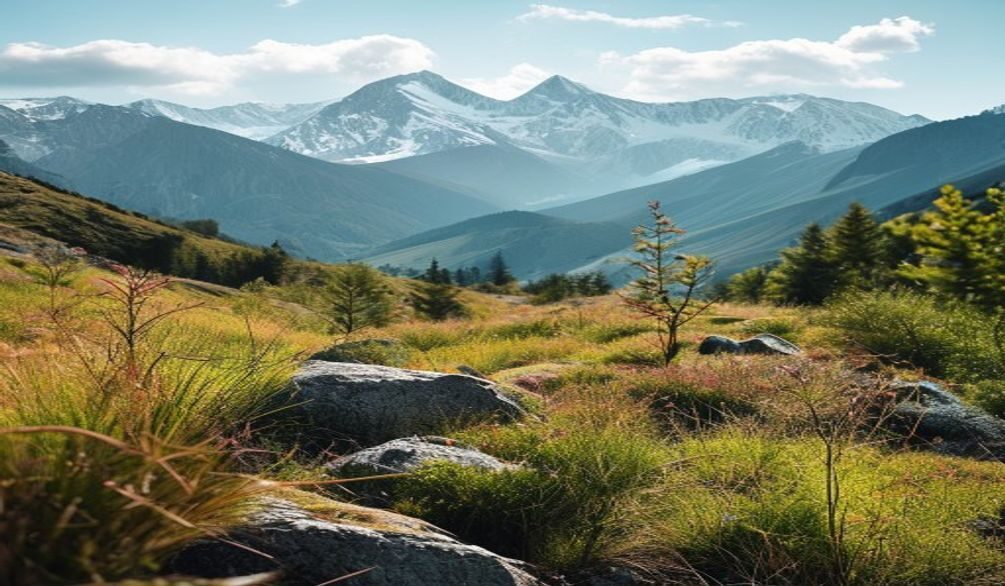
Mountain ecosystems are complex natural environments found in elevated regions of the Earth, characterized by steep slopes, varying altitudes, and distinct climatic zones. These unique characteristics create a mosaic of habitats, making Understanding Mountain Ecosystems 2026 crucial for global ecological health. Mountains cover over a quarter of the Earth’s land surface, according to The Context (2025), playing a disproportionately large role in biodiversity and water resources.
The defining features of mountain ecosystems include significant changes in temperature, precipitation, and solar radiation with increasing altitude. This altitudinal zonation leads to distinct vegetation belts, from montane forests at lower elevations to alpine meadows and nival zones at the highest peaks. This creates a challenging yet specialized environment for flora and fauna.
These ecosystems are often isolated, leading to high levels of endemism where species are found nowhere else on Earth. The rugged topography limits human access, which historically provided a degree of natural protection for these fragile habitats.
However, this isolation also makes them particularly vulnerable to external pressures, especially the impacts of climate change. The rapid environmental shifts challenge the adaptive capacity of mountain species and communities.
The Role of Topography and Climate
The dramatic changes in elevation within mountain ranges drive diverse microclimates and ecological niches. Factors like aspect (the direction a slope faces), slope steepness, and exposure to wind profoundly influence local conditions. This variability means that even within a small area, you can find vastly different plant and animal communities.
From experience, understanding these microclimates is key to effective conservation efforts in mountain regions. It allows for targeted interventions that respect the specific needs of local species.
Why are Mountain Ecosystems Important for Global Well-being?
Mountain ecosystems are incredibly important for global well-being because they serve as the “water towers of the world,” providing essential freshwater for billions of people downstream. This fundamental role underscores the urgency of Understanding Mountain Ecosystems 2026 and their vital services. Over one billion people worldwide depend on mountain snow and glaciers for water, including large populations in China and India, as highlighted by the Mountain Research Initiative (2025).
These towering landscapes are critical sources of freshwater, feeding rivers and aquifers that sustain agriculture, industry, and urban populations far beyond their immediate vicinity. They also regulate regional climates and protect against natural hazards like landslides and avalanches through stable vegetation cover. The United Nations Environment Programme (UNEP) consistently emphasizes mountains’ role in water security.
Beyond water, mountains are centers of biodiversity, hosting 25 out of the world’s 34 biodiversity hotspots. They contain 30 percent of all Key Biodiversity Areas (KBAs), according to the Mountain Research Initiative (2025).
This rich biodiversity includes many endemic species, making their conservation crucial for global genetic diversity and ecosystem resilience. Their ecosystems support unique cultures and traditional knowledge systems.
Essential Ecosystem Services
Mountain ecosystem services extend far beyond water provision. They include carbon sequestration, which helps mitigate climate change, and soil stabilization, preventing erosion. They also offer immense recreational and spiritual value, supporting eco-tourism and cultural practices.
For example, forests in mountain regions act as significant carbon sinks, absorbing atmospheric carbon dioxide. This natural process is a critical component in the global fight against climate change.
How Does Climate Change Affect Mountain Ecosystems in 2026?
Climate change is affecting mountain ecosystems in 2026 by causing them to warm at an accelerated rate compared to lowlands, leading to rapid glacier melt, reduced snow cover, and significant shifts in biodiversity. This accelerated warming makes Understanding Mountain Ecosystems 2026 a critical scientific and societal challenge. Mountain regions are warming 0.21°C per century faster than surrounding lowlands between 1980 and 2020, according to Dr. Nick Pepin’s study published in Nature Reviews Earth & Environment (2025).
The consequences of this rapid warming are profound. Glaciers, vital freshwater reservoirs, are shrinking at an alarming pace; globally, glaciers (excluding Greenland and Antarctica) have lost over 9,000 billion tonnes of mass since 1975, with 450 gigatons lost in 2024 alone, according to The Context (2025). This loss impacts downstream water availability and increases the risk of glacial lake outburst floods.
Persistent snow cover in mountain regions declined by approximately 7.79% between 1979 and 2022. This reduction affects water resources, changes reflective surfaces, and alters habitats for snow-dependent species.
Inger Andersen, Executive Director of the United Nations Environment Programme (UNEP), warns that “The world’s high places are warming faster than lowlands, in some places up to three times as fast,” highlighting the urgency of addressing these impacts.
Impacts on Water Resources and Biodiversity
The reduction in snowpack and glacier volume directly threatens the water supply for communities and ecosystems reliant on mountain runoff. This can lead to increased droughts, reduced hydropower potential, and greater competition for water resources. Furthermore, species are forced to migrate to higher altitudes to find suitable conditions, but often run out of space, facing a “summit trap.” This directly impacts mountain biodiversity conservation.
“Mountains worldwide are experiencing climate change more intensely than lowland areas, with potentially devastating consequences for billions of people,” states Dr. Nick Pepin, emphasizing the far-reaching effects.
For a deeper dive into related environmental challenges, consider Understanding Permafrost Thawing 2026: Essential Guide, as permafrost is also a critical component of many high-altitude environments.
What Animals and Plants Live in Mountain Ecosystems?
Mountain ecosystems are home to a remarkable array of animals and plants that have evolved specialized adaptations to survive harsh conditions, showcasing the incredible biodiversity highlighted when Understanding Mountain Ecosystems 2026. These include species like the iconic snow leopard, mountain goat, marmots, and a diverse range of alpine flora. Tropical mountain wildlife, for instance, is at high risk from climate change, with models predicting a 16% loss of range under a high emissions scenario by 2050, according to WWF (2025).
Plants in these regions often exhibit characteristics such as short stature, deep root systems, and thick, waxy leaves to cope with strong winds, cold temperatures, and intense UV radiation. Animals, in turn, have developed thick fur, hibernation strategies, and unique physiological adaptations to thrive in thin air and extreme cold.
The unique flora found in alpine ecosystems includes species like edelweiss, various saxifrages, and cushion plants. These plants often grow slowly and have adapted to short growing seasons.
Fauna can range from large mammals, such as ibex and bighorn sheep, to a variety of birds like eagles and lammergeiers, and smaller creatures like pikas and specialized insects. Each plays a crucial role in the alpine environment challenges.
Adaptations to High-Altitude Living
Adaptations for mountain life are fascinating. Animals often have larger lungs or more efficient oxygen absorption systems. Plants may have dark pigments to absorb more solar radiation or grow in dense mats to conserve heat and moisture. These survival strategies are testament to the power of natural selection in extreme environments.
For example, the Andean condor has a wingspan of up to 10 feet, allowing it to glide effortlessly on mountain updrafts, conserving energy in the high altitudes of the Andes. This is a perfect example of a species perfectly adapted to its mountain habitat.
Threats to Mountain Ecosystems and Biodiversity in 2026
Threats to mountain ecosystems and biodiversity in 2026 are escalating due to climate change, habitat loss, unsustainable land use, and pollution, severely impacting these fragile environments. Addressing these threats is central to effective Understanding Mountain Ecosystems 2026 and ensuring their survival. Glacier melt impact in 2026 is a primary concern, as outlined by the Mountain Research Initiative (2025), directly affecting water resources and downstream communities.
Beyond climate change, human activities such as deforestation for agriculture or logging, overgrazing by livestock, and mining operations contribute to significant habitat degradation. These activities lead to soil erosion, biodiversity loss, and increased vulnerability to natural disasters. The Food and Agriculture Organization of the United Nations (FAO) emphasizes the need for sustainable land management practices to mitigate these pressures.
Pollution, including plastic waste and atmospheric contaminants, also reaches remote mountain areas, impacting water quality and sensitive species. These pollutants can accumulate in snow and ice, releasing concentrated toxins during melt events.
“Mountains are fragile ecosystems where even small changes in climate or tree cover can have devastating effects,” warns Inger Andersen of UNEP, underscoring the interconnectedness of these threats.
Major Threats to Mountain Biodiversity:
- Climate Change: Rapid warming, glacier retreat, and changes in precipitation patterns.
- Habitat Loss and Fragmentation: Driven by infrastructure development, agriculture, and urbanization.
- Overexploitation of Resources: Unsustainable hunting, logging, and mining activities.
- Pollution: Air and water pollution affecting sensitive alpine environments.
- Invasive Species: Non-native species outcompeting native flora and fauna.
- Natural Hazards: Increased frequency and intensity of landslides, floods, and wildfires due to climate change.
Building Resilience: Actionable Solutions for Mountain Ecosystems
Building resilience in mountain ecosystems requires a multi-faceted approach involving conservation strategies, climate change adaptation, and community-based projects, which are essential for effective Understanding Mountain Ecosystems 2026. One actionable solution involves reforestation and ecological restoration initiatives, which can significantly enhance ecosystem health and stability. The Alpine Shield Initiative in Alaska, for example, reforested 1.2k hectares and resulted in an 85% increase in wildlife population by June 2024, demonstrating successful mountain biodiversity conservation.
Community-based mountain conservation projects are particularly effective because they empower local populations, who are often the primary stewards of these lands. By integrating traditional knowledge with scientific approaches, these projects foster sustainable management practices that benefit both nature and people. This approach aligns with sustainable mountain development goals.
Investing in early warning systems for natural hazards, like glacial lake outburst floods, is another critical adaptation strategy. Such systems protect vulnerable downstream communities and infrastructure.
Supporting research initiatives like GLORIA (Global Observation Research Initiative in Alpine Environments) helps us better understand climate change impacts on mountain biodiversity, informing conservation priorities.
Strategies for Adaptation and Conservation
Effective strategies for climate change adaptation in mountain regions include promoting climate-smart agriculture, developing resilient water management systems, and protecting critical habitats. These actions help ecosystems and communities cope with inevitable environmental changes. International collaborations, often facilitated by organizations like the Mountain Research Initiative (MRI) and WWF, are vital for sharing best practices and mobilizing resources.
The UN Decade on Ecosystem Restoration highlights efforts like those in Africa’s Virunga Massif and the Tian Shan of Kyrgyzstan as “World Restoration Flagships.” These initiatives showcase multi-country efforts to restore mountain ecosystems.
Ridge-to-River: Integrated Management and Success Stories
Ridge-to-River integrated management is a holistic approach that recognizes the interconnectedness of mountain ecosystems with downstream areas, emphasizing that actions at the peaks directly impact communities and environments along the entire watershed. This integrated perspective is fundamental to a comprehensive Understanding Mountain Ecosystems 2026. This approach has seen success in various regions, leading to quantifiable positive outcomes, such as improved water quality and increased biodiversity.
This management philosophy involves coordinating efforts across different altitudes and administrative boundaries, from the highest mountain ridges to the river deltas and coastal zones. It addresses issues like water allocation, pollution control, and disaster risk reduction comprehensively. The Food and Agriculture Organization of the United Nations (FAO) promotes such integrated approaches for sustainable land and water management.
A prime example of success is the Baiboosun Nature Reserve in Kyrgyzstan. Established by villagers with support from the Central Asian Mountain Partnership (CAMP) Alatoo, it has led to increasing snow leopard and ibex populations.
Baatyrbek Akmatov, Director of the Baiboosun Nature Reserve, stated, “If not us, who will have a heartache for these uniquely beautiful places? That’s why all local residents supported this idea.” This highlights the power of community-led conservation.
Case Studies in Integrated Mountain Management
The Baiboosun Nature Reserve, covering 14,000 hectares, implemented strict regulations on hunting and grazing, demonstrating how local engagement can drive significant ecological recovery. This project also fostered sustainable tourism and green businesses, providing economic incentives for conservation. Such initiatives provide invaluable lessons for future sustainable mountain development efforts.
Researchers like Adrian Harpold at the Nevada Mountain Eco-Hydrology Lab (University of Nevada, Reno) are studying water flow in the Sierra Nevada mountains to understand elevation-dependent climate change impacts on snowpacks. Their work informs ridge-to-river management strategies.
Economic Opportunities in Mountain Conservation
Economic opportunities in mountain conservation are emerging through sustainable practices such as eco-tourism, certified forest products, and payment for ecosystem services, offering viable pathways for local communities and enhancing Understanding Mountain Ecosystems 2026. These green businesses provide alternative livelihoods that reduce reliance on environmentally damaging activities. Sustainable tourism, in particular, can generate significant income while preserving natural beauty, as seen in the Baiboosun Nature Reserve, which has fostered local green businesses.
Sustainable mountain development is not just about protection; it’s also about creating value that incentivizes conservation. By developing markets for sustainably harvested non-timber forest products or offering services like guided nature tours, communities can directly benefit from healthy ecosystems. This approach helps align economic interests with environmental goals.
The creation of protected areas can attract visitors, generating revenue through entrance fees, local accommodations, and craft sales. This provides a direct financial incentive for communities to protect their natural heritage.
Furthermore, initiatives that promote sustainable marketing strategies can help local businesses thrive by highlighting their eco-friendly practices and connection to the mountain environment.
Green Investments and Sustainable Livelihoods
Investments in renewable energy projects, such as micro-hydropower, can provide clean energy to mountain communities while reducing reliance on fossil fuels. Similarly, developing sustainable agriculture practices, like organic farming or terracing, can improve food security and soil health, creating resilient local economies. These opportunities are crucial for the long-term sustainability of mountain regions.
The average proportion of mountain Key Biodiversity Areas covered by protected areas increased from 25% in 2000 to 45% in 2025, according to UNDESA (2025). This expansion creates more opportunities for nature-based economic activities.
To explore broader strategies, consider Sustainable Marketing Strategies 2026: Top 5 Guide, which can be adapted to promote eco-tourism and green products from mountain regions.
Frequently Asked Questions
What are the main characteristics of mountain ecosystems?
Mountain ecosystems are primarily characterized by steep slopes, high altitudes, and distinct climate zones that change rapidly with elevation. This leads to unique biodiversity and specialized species adapted to harsh conditions, as detailed by the Mountain Research Initiative (2025). They also serve as critical water sources for downstream regions.
How does climate change affect mountain ecosystems?
Climate change affects mountain ecosystems by causing them to warm faster than lowlands, leading to accelerated glacier melt, reduced snow cover, and shifts in species distribution. Mountain regions are warming 0.21°C per century faster than lowlands, according to Dr. Nick Pepin (2025), impacting water resources and increasing natural hazards. This necessitates urgent climate change adaptation in mountain regions.
Why are mountain ecosystems important?
Mountain ecosystems are important because they supply freshwater for approximately 2 billion people and host a significant portion of global biodiversity, including 25 out of 34 biodiversity hotspots. They also regulate climate, prevent erosion, and hold immense cultural value, making their preservation vital for global well-being, as highlighted by UNEP (2025). Their role in the global water cycle is irreplaceable.
What animals and plants live in mountain ecosystems?
Mountain ecosystems are home to specialized animals like snow leopards, mountain goats, and marmots, alongside unique alpine plants such as edelweiss and cushion plants. These species exhibit specific adaptations to cold, high-altitude, and strong winds, with tropical mountain wildlife facing a predicted 16% loss of range by 2050 under high emissions, according to WWF (2025).
What are the threats to mountain ecosystems?
The primary threats to mountain ecosystems include rapid climate change leading to glacier melt and snow loss, habitat destruction from deforestation and unsustainable land use, and various forms of pollution. These threats compromise mountain biodiversity conservation and affect the stability of these fragile environments, as emphasized by Inger Andersen of UNEP (2025).