
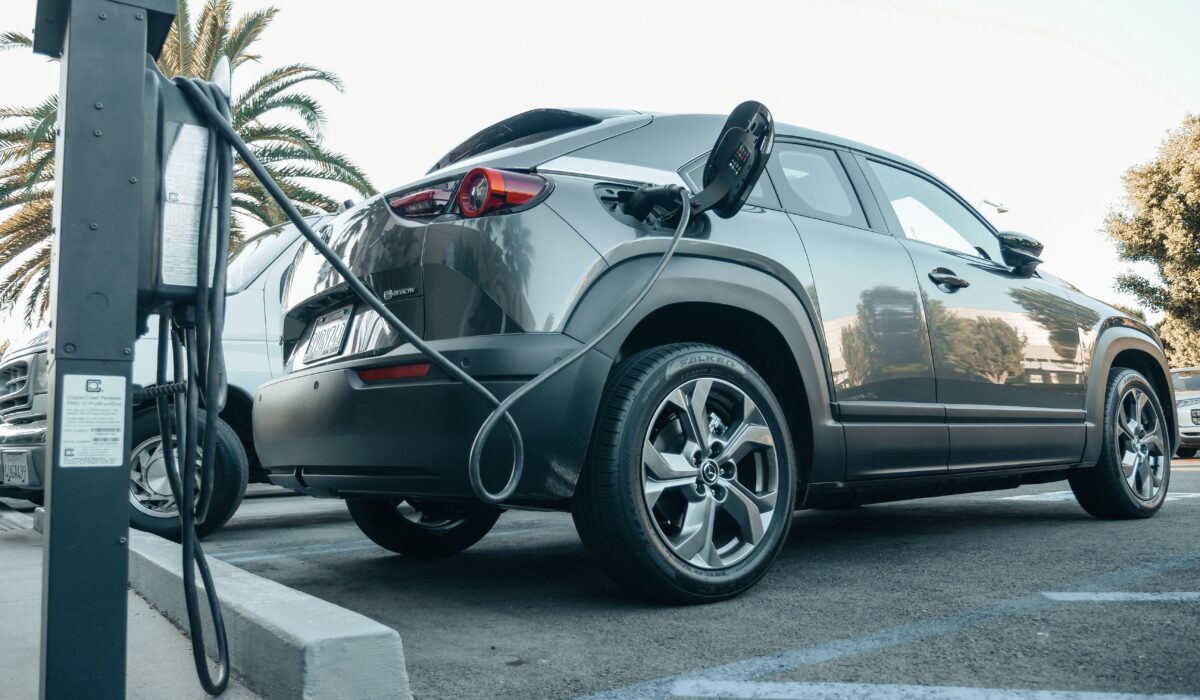
Electric SUVs are becoming an increasingly attractive choice for drivers looking for modern technology, lower running costs, and a more sustainable driving experience. With automakers introducing new electric models and improving battery technology, choosing the right electric SUV in 2026 requires more than comparing design and advertised range.
The top electric SUVs of 2026 offer different advantages, from spacious three-row seating for families to fast charging, premium interiors, advanced driver-assistance features, and impressive driving performance. However, the best option depends on your budget, daily driving requirements, charging access, and long-term ownership costs.
In this buyer’s guide, we explore five electric SUVs worth considering in 2026: the Kia EV9, Hyundai IONIQ 5, Chevrolet Equinox EV, BMW iX3, and Rivian R1S. We will compare their key strengths and explain what buyers should evaluate before choosing an electric SUV.
Note: This guide includes models from different international markets, particularly the United States and Europe. Availability, specifications, pricing, and driving-range estimates vary by country and model variant. Buyers in India should verify local availability and specifications before making a purchase decision.
Quick Answer: What Are the Top 5 Electric SUVs in 2026?
The Kia EV9, Hyundai IONIQ 5, Chevrolet Equinox EV, BMW iX3, and Rivian R1S are five electric SUVs worth comparing in 2026.
- Kia EV9: Best suited to families seeking a spacious electric SUV with three rows of seats.
- Hyundai IONIQ 5: A strong option for buyers who value fast charging, distinctive styling, and everyday practicality.
- Chevrolet Equinox EV: Worth considering for buyers prioritising value and everyday usability in the US market.
- BMW iX3: An option for luxury-focused buyers interested in premium technology and electric performance, subject to market availability.
- Rivian R1S: Designed for buyers seeking a premium electric SUV with adventure-oriented capability and available three-row seating.
There is no single best electric SUV for everyone. The right choice depends on how far you drive, how many passengers you carry, your charging options, and what you can comfortably afford.
1. Kia EV9: A Spacious Electric SUV for Families
The Kia EV9 stands out for its family-friendly design, generous passenger space, and three-row seating configuration. It is designed for buyers who want the versatility of a traditional large SUV combined with the benefits of electric driving.
Key highlights
- Three-row seating for family and group travel.
- A spacious cabin with flexible passenger and cargo arrangements.
- Available fast-charging capability.
- Modern infotainment and driver-assistance technology.
- An electric powertrain that eliminates petrol or diesel refuelling.
One of the biggest advantages of the Kia EV9 is its practicality. Families can benefit from additional passenger capacity, while the flexible interior makes it suitable for shopping, holidays, and everyday commuting.
Its larger size and battery capacity also make charging arrangements and parking space important considerations. Before purchasing, compare the available battery configurations, official driving range, charging performance, and warranty coverage for your market.
Who should consider the Kia EV9?
The EV9 is worth considering if you need a spacious electric SUV, regularly travel with several passengers, and want three-row seating without switching to a conventional fuel-powered vehicle.
2. Hyundai IONIQ 5: A Practical Electric SUV for Everyday Driving
The Hyundai IONIQ 5 combines distinctive styling, a spacious interior, and an electric platform designed to support convenient charging and comfortable daily use.
Its design is different from that of many conventional SUVs, giving it a modern appearance while maintaining the practicality expected from a family-oriented electric vehicle.
Key highlights
- Distinctive exterior styling and a modern cabin.
- Spacious seating and useful interior storage.
- Fast-charging capability on compatible charging equipment.
- Advanced infotainment and driver-assistance features.
- Multiple configurations depending on the market.
The IONIQ 5’s charging technology is one of its major attractions. Certain versions use an 800-volt electrical architecture, enabling very fast DC charging under suitable conditions. Actual charging speeds depend on the vehicle variant, battery temperature, charger capacity, and charging conditions.
Its real-world driving range also varies according to the battery, wheel configuration, weather, road conditions, and driving style.
Who should consider the Hyundai IONIQ 5?
The IONIQ 5 is a strong candidate for buyers who want an electric SUV for commuting, family use, and occasional long-distance journeys. It is particularly appealing if charging convenience and interior comfort are priorities.
3. Chevrolet Equinox EV: An Electric SUV Focused on Value
The Chevrolet Equinox EV is positioned as a practical electric SUV for buyers who want everyday functionality without necessarily paying luxury-vehicle prices.
Its appeal comes from its combination of passenger space, electric driving, modern technology, and a value-focused position in the US market.
Key highlights
- A practical SUV format for everyday use.
- Competitive positioning within its market segment.
- An estimated driving range that varies by model and configuration.
- Modern infotainment and available driver-assistance features.
- Potential savings on energy and routine maintenance compared with a comparable petrol vehicle.
When evaluating the Equinox EV, look beyond its advertised range and starting price. Compare the exact trim level, battery configuration, charging capability, warranty, insurance costs, and available equipment.
The total cost of ownership can vary considerably depending on electricity rates, annual mileage, local incentives, and the cost of installing a home charger.
Who should consider the Chevrolet Equinox EV?
It is worth considering for buyers in markets where it is sold who want a practical electric SUV for commuting, errands, and family use, with an emphasis on value rather than premium branding.
4. BMW iX3: An Electric SUV for Luxury-Focused Buyers
The BMW iX3 represents BMW’s electric SUV offering, with its appeal centred on premium design, technology, comfort, and driving performance.
The specifications of the 2026-generation iX3 depend on the specific model and market. Buyers should distinguish between published figures for the latest generation and specifications belonging to earlier versions.
Key highlights
- A premium interior and modern design.
- An electric powertrain focused on smooth performance.
- Advanced infotainment and connected-vehicle technology.
- Driver-assistance features that vary by configuration.
- Charging and range capabilities that depend on the generation and battery specification.
For luxury electric SUV buyers, the ownership experience matters as much as the headline specifications. Cabin comfort, ride quality, charging speed, software features, service availability, and warranty support should all influence the buying decision.
Long-range figures published by manufacturers or industry sources should be checked against the relevant official test cycle and exact model. Estimates from different testing standards are not directly comparable.
Who should consider the BMW iX3?
The BMW iX3 is worth considering if you want a premium electric SUV with contemporary technology and a refined driving experience, provided the relevant model is available in your market.
5. Rivian R1S: An Electric SUV for Adventure and Family Travel
The Rivian R1S combines a large SUV body, available three-row seating, premium features, and an adventure-oriented design. It is aimed at buyers who want an electric vehicle suited to family travel and outdoor activities.
Key highlights
- Three-row seating configuration.
- A design focused on outdoor and adventure use.
- Available all-wheel-drive configurations, depending on the version.
- Strong performance from its electric powertrain.
- Modern connectivity and driver-assistance technology.
The R1S offers a different approach to electric SUV ownership. Its larger body and adventure-oriented capabilities may appeal to drivers who need additional space and versatility.
However, buyers should consider vehicle dimensions, charging access, tyre replacement costs, insurance, and the availability of authorised service facilities. These factors can have a significant effect on ownership costs.
Who should consider the Rivian R1S?
The R1S is worth considering for buyers seeking a premium, adventure-focused electric SUV with substantial passenger capacity, particularly in markets where Rivian vehicles are officially supported.
Electric SUV Comparison: Which Model Fits Your Needs?
The following comparison summarises the main strengths of these five models. It is a qualitative comparison rather than a ranking based on independently verified performance measurements.
| Electric SUV | Main strength | Best suited for |
|---|---|---|
| Kia EV9 | Spacious three-row cabin | Families needing extra passenger space |
| Hyundai IONIQ 5 | Charging technology and everyday comfort | Commuters and families |
| Chevrolet Equinox EV | Value-focused positioning | Budget-conscious buyers in supported markets |
| BMW iX3 | Premium experience and technology | Luxury-focused drivers |
| Rivian R1S | Adventure-oriented design and available three-row seating | Families and outdoor enthusiasts |
Before making a final decision, compare the exact model year, battery size, official range rating, charging speed, seating configuration, safety equipment, and local price.
What Should You Consider Before Buying an Electric SUV in 2026?
Choosing an electric SUV involves more than selecting a model with an impressive advertised range. The following factors can help you decide whether a vehicle is right for your needs.
1. Driving range and daily usage
Estimate how far you normally travel in a day and how often you take longer journeys.
An SUV with a moderate range may be sufficient for city commuting if you can charge at home. Frequent highway travellers may prefer a model with a longer verified range and access to reliable fast-charging stations.
Remember that actual driving range can decrease at highway speeds and in extreme temperatures. Air conditioning, heating, passenger load, and driving style can also affect efficiency.
2. Battery capacity and warranty
Battery capacity influences the energy available for driving, but a larger battery is not automatically the best choice for every buyer.
Review the battery warranty, coverage conditions, degradation provisions, and available battery health information. For a used electric SUV, a professional battery assessment can provide useful insight into its condition.
Also check whether the manufacturer provides a separate warranty for the electric motor and other high-voltage components.
3. Charging speed and infrastructure
Charging convenience can significantly influence your ownership experience.
Consider three important questions:
- Can you install a home charger at your residence?
- Are compatible public charging stations available along your regular routes?
- Does the vehicle support charging connectors and charging speeds compatible with the infrastructure you intend to use?
Home charging is often convenient for daily use, while DC fast charging can be helpful during longer journeys. However, the maximum advertised charging rate is not maintained throughout every charging session.
4. Total cost of ownership
An electric SUV’s purchase price is only one part of its overall cost.
Calculate the expected expenses for:
- Vehicle purchase and financing.
- Insurance premiums.
- Home charger purchase and installation.
- Electricity and public charging.
- Tyres, servicing, and replacement parts.
- Battery and vehicle warranty coverage.
- Depreciation and resale value.
Electric vehicles generally require less routine maintenance than comparable petrol vehicles because they have fewer moving powertrain components and do not require engine oil changes. However, tyre replacement, repairs, insurance, and certain specialised components can still be expensive.
Insurance costs vary by vehicle, driver, location, and coverage, so obtain actual quotations before deciding.
5. Safety features and driver assistance
Compare the safety equipment included in the exact trim you are considering.
Features may include automatic emergency braking, adaptive cruise control, lane-keeping assistance, blind-spot monitoring, parking assistance, and driver-attention monitoring.
Availability differs across models and markets. Check independent crash-test results from the relevant recognised safety organisation where available, and confirm that the features you want are included in the vehicle rather than offered only as optional extras.
Driver-assistance systems are not a replacement for attentive driving.
6. Passenger and luggage space
Consider how you will use the vehicle.
A compact or midsize electric SUV may be easier to park and more efficient for daily commuting. A larger three-row model may be better for families who regularly carry several passengers.
Check the actual luggage space with all required seats in use. Third-row seating can reduce the cargo area available behind the rear seats.
7. Software, connectivity, and servicing
Modern electric SUVs rely on software for infotainment, navigation, charging management, and certain vehicle functions.
Review the availability of software updates, smartphone integration, connected services, and charging-route planning. Also confirm that the manufacturer has an authorised service network in your area.
A vehicle that looks excellent on paper may be less convenient to own if repairs, software support, or replacement parts are difficult to access.
Are Electric SUVs Worth Buying in 2026?
Electric SUVs can be an excellent choice for drivers who have convenient charging access, suitable daily driving requirements, and a vehicle that fits their budget.
Their advantages can include smooth acceleration, quiet operation, reduced local tailpipe emissions, and potentially lower routine maintenance and energy costs.
However, they also come with considerations such as charging availability, purchase price, depreciation, insurance, and the time needed for longer journeys.
The best way to determine whether an electric SUV is worthwhile is to compare its estimated annual ownership costs with those of a comparable petrol or diesel SUV.
For example, calculate your expected annual kilometres, electricity or fuel costs, insurance, servicing, and financing expenses. Use local prices rather than relying on general savings estimates from another country.
Buying an Electric SUV in India: What Should You Check?
If you are shopping for an electric SUV in India, focus on local charging infrastructure, service availability, battery warranty, and the actual on-road price.
The five models discussed above are not all necessarily available through official Indian sales channels. Before considering an imported or overseas-market model, confirm its legal registration requirements, warranty support, spare-parts availability, and servicing options.
For Indian buyers, the following checks are particularly important:
- On-road price: Compare the ex-showroom price with registration, insurance, and other applicable charges.
- Charging access: Check the availability of home charging and compatible public charging stations on your regular routes.
- Battery warranty: Review the manufacturer’s warranty period and coverage conditions.
- Service network: Confirm that authorised service facilities can support the vehicle in your city.
- Real-world range: Look for credible range information under conditions similar to your normal driving.
- Resale value: Consider the model’s service support, battery condition, and expected depreciation.
If you are considering a premium imported EV, evaluate the total cost of ownership particularly carefully. Purchase price alone may not reflect the long-term cost of maintaining the vehicle.
Frequently Asked Questions About the Top Electric SUVs of 2026
1. What are the top 5 electric SUVs in 2026?
Five electric SUVs worth comparing are the Kia EV9, Hyundai IONIQ 5, Chevrolet Equinox EV, BMW iX3, and Rivian R1S. Each has different strengths, ranging from family seating and charging convenience to premium features and adventure-oriented capability. The best option depends on local availability, price, range, and individual requirements.
2. Which electric SUV is best for families in 2026?
The Kia EV9 is a strong option for families who need three rows of seating and a spacious cabin. The Rivian R1S is another model to consider where it is available. Families should compare third-row comfort, luggage capacity, child-seat compatibility, safety features, and charging access before making a decision.
3. Which electric SUV is best for everyday driving?
The Hyundai IONIQ 5 and Chevrolet Equinox EV are worth considering for everyday use in their supported markets. Compare their size, range, charging capability, comfort, price, and local service availability to identify the better fit for your needs.
4. Which electric SUV has the longest range in 2026?
The longest-range electric SUV depends on the model, battery configuration, and testing standard. The latest BMW iX3 and other long-range electric SUVs may offer competitive figures, but buyers should compare official range ratings for the exact model and market rather than relying on projections or estimates from another generation.
5. Are electric SUVs cheaper to maintain than petrol SUVs?
Electric SUVs generally require less routine powertrain maintenance because they have fewer moving components and do not need engine oil changes. However, insurance, tyres, body repairs, depreciation, and specialised component repairs can still be significant. Actual savings depend on the vehicle and how it is used.
6. Is home charging necessary for an electric SUV?
Home charging is not essential, but it can make ownership more convenient. Buyers without home charging should check whether public chargers are accessible near their residence, workplace, and regular travel routes. Charging convenience should be assessed before purchasing an electric vehicle.
7. What should I check before buying a used electric SUV?
Check the battery’s health, charging performance, service history, warranty coverage, accident history, and diagnostic records. A qualified EV technician can assess the battery and high-voltage systems. Also verify that compatible charging equipment and authorised service facilities are available.
8. Which electric SUV should I buy in India in 2026?
The best electric SUV in India depends on your budget, passenger requirements, driving range, charging access, and service support. Verify that your preferred model is officially available in India and compare its on-road price, warranty, charging compatibility, and real-world range. Models from the international market should not be assumed to be available locally.
Conclusion: Choose the Right Electric SUV for Your Needs
The top electric SUVs of 2026 offer a wide range of options for families, commuters, luxury buyers, and adventure enthusiasts. The Kia EV9 focuses on family space, the Hyundai IONIQ 5 combines modern design with charging technology, the Chevrolet Equinox EV targets everyday value, the BMW iX3 appeals to luxury-focused buyers, and the Rivian R1S offers an adventure-oriented approach.
Before buying, compare the actual price, verified driving range, battery warranty, charging infrastructure, safety features, and long-term ownership costs of the specific vehicle available in your market.
The best electric SUV is not necessarily the one with the longest range or the most features. It is the one that fits your daily driving needs, budget, charging arrangements, and long-term ownership plans.
Take a test drive, verify the official specifications, and compare ownership costs before making your final decision.