
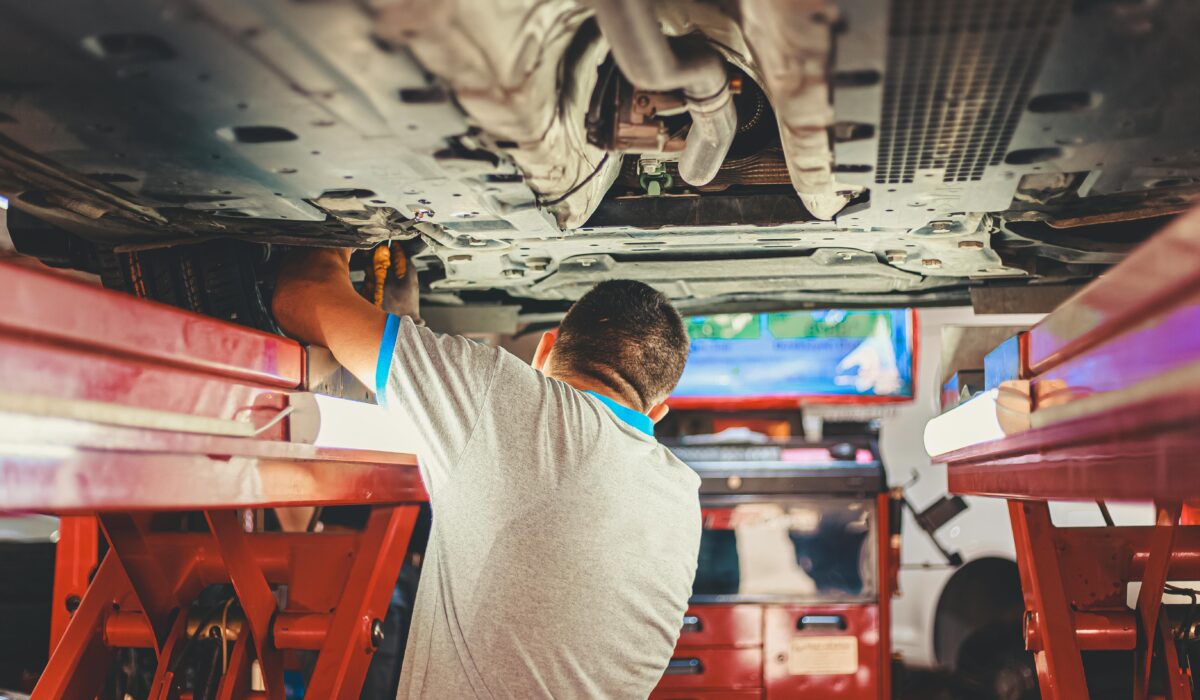
Buying a used car can be a smart way to save money while getting a vehicle that suits your lifestyle and budget. However, a car that looks perfect on the outside may have hidden mechanical problems, accident damage, or an incomplete service history. Knowing the top things to inspect before buying a used car can help you avoid expensive repairs and make a confident purchase.
Whether you are buying from a private seller or a dealership, a thorough inspection is essential. You should check the vehicle’s documents, exterior and interior condition, engine performance, tyres, brakes, and overall driving experience before making a final decision.
In this guide, we will explain the five most important things to check when buying a second-hand car, highlight common warning signs, and share practical tips to help you choose a reliable vehicle.
Quick Answer: What Should You Check Before Buying a Used Car?
The five essential things to inspect before buying a used car are:
- Vehicle history and documents: Verify registration, ownership, service records, and accident history.
- Exterior and interior condition: Look for rust, accident damage, uneven paint, and faulty electronics.
- Engine and mechanical components: Check for fluid leaks, unusual noises, and warning lights.
- Tyres, brakes, and suspension: Inspect tyre wear, braking performance, and suspension condition.
- Test drive and professional inspection: Evaluate handling, acceleration, steering, and transmission performance.
For additional peace of mind, arrange an independent pre-purchase inspection with a qualified mechanic before completing the purchase.
1. Check the Vehicle History and Documents
Before inspecting the car’s physical condition, verify its history and documentation. This is one of the most important steps because a vehicle may look well-maintained while having unresolved legal, ownership, or accident-related issues.
What documents should you check when buying a used car?
If you are purchasing a used car in India, review the following documents:
- Registration Certificate (RC): Confirm that the vehicle details match the car and verify the registered owner’s information.
- Insurance documents: Check the policy’s validity and review the available claim history.
- Pollution Under Control (PUC) certificate: Verify that the certificate is valid, where applicable.
- Service history: Review records of routine maintenance, repairs, and major component replacements.
- Loan or hypothecation status: Check whether any financing-related endorsement or outstanding obligation needs to be cleared.
- Vehicle Identification Number (VIN) and chassis number: Ensure the identification details match the registration documents.
- Pending challans: Check for outstanding traffic fines and other relevant vehicle-related liabilities.
You should also review the available vehicle history to identify previous accidents, ownership changes, odometer discrepancies, or major repairs.
In India, you can use the official Parivahan portal to check available vehicle registration information. However, online records may not reveal every accident, repair, or ownership-related issue.
Red flags to watch for
Be cautious if the seller refuses to provide documents, the registration details do not match, or the service history contains unexplained gaps. Unusual odometer readings or evidence of major undisclosed repairs also deserve further investigation.
Pro tip: Never rely only on verbal assurances from the seller. Verify the available records and complete the required ownership transfer formalities before considering the transaction finished.
2. Inspect the Exterior and Interior Condition
The car’s exterior and interior can reveal how well it has been maintained and whether it may have suffered accident damage.
Inspect the vehicle in daylight, preferably when it is clean and dry. Take your time rather than relying on a quick walk-around.
What should you look for on the exterior?
Check the following areas carefully:
- Paint and body panels: Look for mismatched colours, uneven paint, dents, and inconsistent panel gaps that may indicate previous repairs.
- Rust and corrosion: Examine the wheel arches, door edges, underbody, and other vulnerable areas.
- Windows and windscreen: Look for cracks, chips, and signs of improper replacement.
- Lights and indicators: Test the headlights, tail lights, brake lights, and turn indicators.
- Doors, bonnet, and boot: Check whether they open, close, and align properly.
- Underbody: Look for visible damage, corrosion, or signs of fluid leakage.
Evidence of repainting does not automatically mean the car is a bad purchase. However, extensive repairs or possible structural damage should be investigated by a professional.
What should you check inside the car?
Examine the seats, carpets, dashboard, steering wheel, and headliner for excessive wear or damage. Compare the condition of these components with the car’s stated age and mileage.
Test the air conditioning, power windows, central locking, infotainment system, dashboard controls, and other electrical features.
Pay particular attention to damp carpets, unusual odours, or signs of water damage. These may indicate previous flooding or water entering the cabin.
Pro tip: If the car’s exterior looks unusually new but the interior shows substantial wear, investigate the vehicle’s mileage and maintenance history before proceeding.
3. Inspect the Engine and Mechanical Components
Engine and mechanical problems can be among the most expensive issues to repair. Even if a used car starts easily, it may have underlying problems that are not immediately visible.
A basic inspection can help identify warning signs, but it cannot replace a professional mechanical assessment.
How do you check a used car engine?
With the engine switched off and cool, inspect the engine bay for visible issues such as:
- Oil or coolant leaks around the engine.
- Cracked, damaged, or deteriorated belts and hoses.
- Corrosion around battery terminals.
- Loose or visibly damaged components.
- Signs of poor maintenance or previous repairs.
Check the available engine oil and coolant levels according to the manufacturer’s instructions. Oil that looks unusually contaminated or coolant that appears discoloured may require further investigation.
Avoid opening a hot cooling system because pressurised coolant can cause serious burns.
Listen for unusual engine noises
Start the car and listen for persistent knocking, rattling, excessive vibration, or other unusual sounds.
Observe the dashboard warning lights during startup and check whether any remain illuminated after the engine starts. Warning lights should be investigated rather than ignored.
Excessive blue exhaust smoke may indicate oil consumption, while persistent white smoke after the engine warms up or unusual black smoke may indicate an underlying issue. These symptoms need proper diagnosis rather than an assumption about the exact fault.
What about used electric cars?
If you are buying a second-hand electric vehicle (EV), ask for a battery health report where available. Check the charging port, charging operation, dashboard warnings, and available battery warranty information.
Battery condition can significantly influence an EV’s usable range and future ownership costs. An inspection by a technician experienced with electric vehicles is especially valuable.
Pro tip: A car with a clean exterior and a smooth idle can still have mechanical problems. Consider a diagnostic scan and an independent mechanic’s assessment before making your decision.
4. Check the Tyres, Brakes, and Suspension
Tyres, brakes, and suspension components directly affect a vehicle’s safety, comfort, and handling. Their condition can also reveal maintenance issues that may lead to additional expenses after purchase.
Inspect all four tyres
Check every tyre, including the spare if one is provided.
Look for:
- Uneven tread wear across the tyre.
- Cracks, bulges, cuts, or other visible damage.
- Insufficient tread depth.
- Differences in tyre condition across the vehicle.
- Signs of incorrect alignment or uneven wear patterns.
Uneven wear may indicate alignment problems, worn suspension components, or incorrect tyre pressure. A mechanic can help determine the underlying cause.
Also check the tyre manufacturing date and consider whether the tyres may need replacement soon.
Evaluate the brakes
During a safe test drive, pay attention to how the brakes respond.
Warning signs include:
- Grinding or persistent squealing noises.
- Excessive brake pedal travel.
- Vibrations during braking.
- The car pulling to one side.
- Reduced braking effectiveness.
A mechanic should inspect the brake pads, discs, fluid condition, and other relevant components to assess their remaining service life.
Check the suspension
Drive over a suitable, uneven road surface at a safe speed and listen for unusual knocking or rattling. Notice whether the car feels excessively bouncy, unstable, or difficult to control.
These symptoms can indicate worn shock absorbers, suspension components, or other mechanical problems.
Pro tip: Ask a mechanic to estimate the cost of any required tyre, brake, or suspension repairs. Use those estimates when deciding whether the asking price represents good value.
5. Take a Thorough Test Drive
A test drive is one of the most effective ways to evaluate a used car because it allows you to assess how the vehicle performs under normal driving conditions.
A short drive around the dealership may not reveal every problem. If possible, choose a safe route that includes different road surfaces, turns, and normal traffic conditions.
What should you check during a test drive?
Engine and acceleration: The car should accelerate smoothly without persistent hesitation, unusual knocking, or excessive vibration.
Transmission: Test automatic or manual gear changes. Watch for unexpected jerking, slipping, grinding, or delays when engaging gears.
Steering: Check whether the steering responds predictably and whether the car maintains a straight line on a suitable, level road.
Brakes: Confirm that braking feels consistent and controlled, without excessive vibration or pulling to one side.
Suspension: Listen for unusual noises and notice whether the vehicle remains stable over normal road imperfections.
Air conditioning and electronics: Confirm that the air conditioning cools effectively and that important controls, displays, and electrical features work correctly.
Dashboard warning lights: Check for warning lights that remain illuminated or appear during the drive.
For additional insight, ask the seller to let you observe a cold start. A vehicle that has already been warmed up may behave differently from one started after sitting for several hours.
Never test a car aggressively or drive it in a way that compromises your safety or that of others.
Should you hire a mechanic before buying?
Yes. An independent pre-purchase inspection is strongly recommended, even if the test drive feels normal.
A qualified mechanic can inspect components that are difficult to assess yourself, including the engine, transmission, suspension, underbody, and possible structural repairs. Diagnostic equipment may also reveal stored fault codes.
For electric vehicles, choose a technician who understands high-voltage systems and EV battery diagnostics.
The inspection may uncover issues you can use to negotiate the price, request repairs, or decide not to proceed with the purchase.
Bonus Tips for Buying a Reliable Used Car
Beyond the five essential checks, follow these practical tips to reduce your risk:
- Research the market price: Compare similar models based on age, mileage, condition, variant, and service history.
- Calculate ownership costs: Consider insurance, fuel or charging, maintenance, taxes, and likely repairs.
- Check recalls: Review applicable manufacturer and official safety recall information.
- Avoid rushed decisions: Be cautious if the seller pressures you to pay immediately or refuses an independent inspection.
- Document the transaction: Obtain a proper sale agreement, payment records, and the necessary transfer documents.
- Budget for maintenance: Even a well-maintained used car may need routine servicing or replacement parts after purchase.
Remember that a low purchase price does not always mean a good deal. A slightly more expensive vehicle with verified records and better mechanical condition may offer better long-term value.
Frequently Asked Questions (FAQs)
1. What are the top 5 things to check when buying a used car?
The five most important checks are vehicle history and documents, exterior and interior condition, engine and mechanical components, tyres and brakes, and a thorough test drive. An independent professional inspection can help identify problems that are difficult to detect yourself.
2. What are the biggest red flags when buying a second-hand car?
Major warning signs include inconsistent registration details, unexplained odometer discrepancies, signs of structural damage, fluid leaks, persistent warning lights, unusual engine or transmission noises, and an incomplete service history. A seller who refuses a professional inspection is also a reason to be cautious.
3. Is a test drive enough to check a used car?
No. A test drive helps assess driving performance, steering, braking, transmission behaviour, and unusual noises, but it cannot reveal every hidden problem. Combine it with document verification, a physical inspection, and a professional mechanical assessment.
4. Should I get a mechanic to inspect a used car before buying it?
Yes. An independent mechanic can identify hidden leaks, mechanical faults, potential accident damage, and components that may require replacement. The inspection cost is often worthwhile compared with the potential expense of unexpected repairs.
5. How can I check whether a used car has been in an accident?
Review the available insurance and service records, examine the paint and body panels for inconsistencies, and look for signs of previous repairs. Verify available vehicle history information and ask an independent mechanic or bodywork specialist to assess possible structural damage. No single history report or visual check guarantees a complete accident history.
6. What documents should I check before buying a used car in India?
Check the Registration Certificate, insurance documents, PUC certificate where applicable, service records, chassis and VIN details, and relevant loan or hypothecation information. Also check available traffic challan records and follow the required ownership transfer procedure through the appropriate official channels.
7. How do I know if a used car is worth its asking price?
Compare the asking price with similar vehicles of the same model, year, variant, and mileage. Factor in the service history, overall condition, ownership costs, and the estimated cost of any repairs identified during inspection.
8. What should I check when buying a used electric car?
Review the battery health report if available, inspect the charging port, verify charging performance, check the battery warranty and service history, and arrange an inspection by an EV-qualified technician. Battery condition and remaining usable range are important considerations when evaluating a used electric car.
Conclusion
Knowing the top 5 essential things to inspect before buying a used car can help you avoid unnecessary expenses and make a more informed decision. Start by verifying the vehicle’s documents and history, then inspect its exterior, interior, engine, tyres, brakes, and suspension. Finish with a thorough test drive and an independent professional inspection.
Do not make your decision based solely on appearance, mileage, or price. A vehicle’s maintenance history, mechanical condition, safety, and ownership costs are equally important.
Before making your final payment, get the car inspected, verify the documentation, and ensure that any identified issues are properly addressed. Taking these precautions can help you find a reliable second-hand car that suits your needs and budget.