
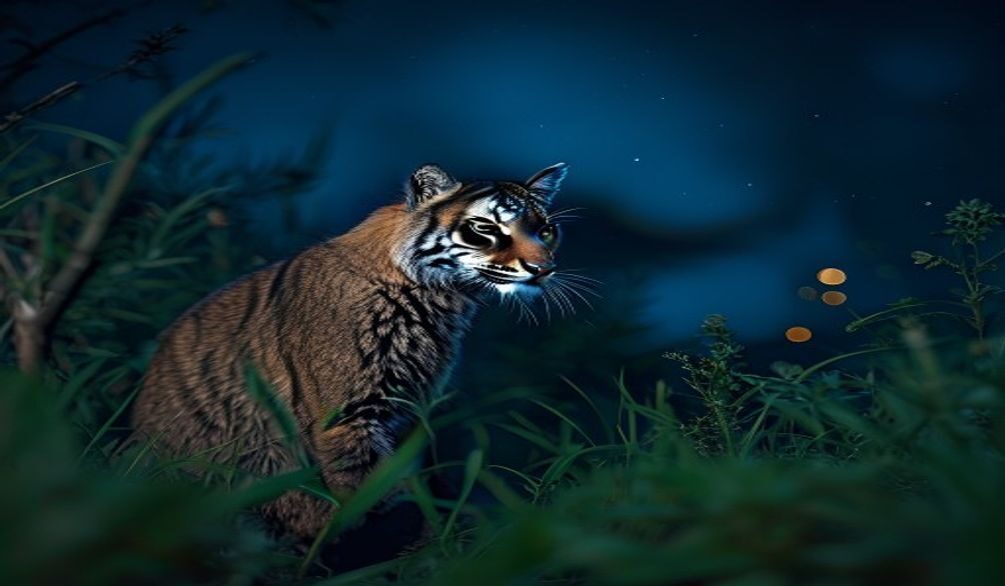
Key Takeaways
- Approximately 70% of mammal species are nocturnal, according to Heimo Mikkola in a May 2026 publication.
- Artificial lighting reduces the nesting success of loggerhead sea turtles by 20%, as reported by the International Dark Sky Discovery Center.
- Nocturnal animals possess specialized adaptations like enhanced senses, silent flight, and echolocation to thrive in darkness.
- Wild animals are 1.36 times more active at night in areas with high human presence, a trend continuously observed in 2026 conservation reports.
- The deployment of FLIR thermal cameras with AI helped Kenya significantly reduce rhino poaching in 2025, according to WWF.
Are you fascinated by the hidden world that awakens after dusk? This Nocturnal Animals Guide 2026 offers an essential understanding of the creatures that thrive under the cloak of night, exploring their unique adaptations, ecological roles, and the pressing conservation challenges they face. You’ll discover why a vast array of species chooses to live nocturnally and how human activity is profoundly reshaping their world.
Quick Answer: Nocturnal animals are species active primarily at night, possessing specialized adaptations like enhanced senses for low-light conditions. They utilize darkness for hunting, foraging, and avoiding predators or daytime heat, playing crucial ecological roles.
What Exactly Are Nocturnal Animals in 2026?
Nocturnal animals are species that are primarily active during the nighttime hours, rather than during the day or at twilight. This essential Nocturnal Animals Guide 2026 defines them by their behavioral patterns and distinct biological adaptations. Approximately 70% of mammal species are nocturnal, while only 20% are diurnal, according to a May 2026 publication by Heimo Mikkola in “Introductory Chapter – Animals at Night: The Facts Behind Nocturnality.”
These creatures have evolved specialized sensory, physiological, and behavioral traits that allow them to navigate, hunt, forage, and reproduce effectively in low-light environments. Their adaptations are crucial for survival, distinguishing them from diurnal (day-active) and crepuscular (dawn/dusk active) animals.
The classification of an animal as nocturnal often depends on its peak activity period. Many species exhibit varying degrees of nocturnality, influenced by factors like food availability and predator presence.
Understanding this fundamental distinction is key to appreciating their ecological roles. The unique challenges of nighttime activity have shaped their evolution in remarkable ways, as this Nocturnal Animals Guide 2026 will detail.
Why Do Animals Come Out at Night?
Animals primarily come out at night to exploit a variety of evolutionary advantages offered by darkness, including reduced competition, predator avoidance, and thermal regulation. This Nocturnal Animals Guide 2026 highlights that the absence of sunlight significantly alters environmental dynamics. For instance, the desert kangaroo rat, a classic nocturnal mammal, avoids the intense daytime heat of its arid habitat by foraging under the cooler night sky.
Several key factors drive the prevalence of nocturnality across the animal kingdom:
- Predator Avoidance: Many prey species, especially small mammals and insects, are less visible to diurnal predators under the cover of darkness. This strategy significantly increases their survival rates.
- Prey Availability: Conversely, many predators, like owls and wild cats, have evolved superior night vision and hearing to effectively hunt nocturnal prey.
- Temperature Regulation: In hot climates, nighttime offers a refuge from extreme daytime temperatures, allowing animals to conserve water and energy. This is particularly vital for desert species.
- Reduced Competition: By being active at night, some species avoid direct competition for resources with diurnal animals that occupy the same ecological niche. This allows for a more efficient use of available food sources.
- Human Avoidance: A growing trend, discussed further in this Nocturnal Animals Guide 2026, shows animals shifting to nocturnal activity to avoid human disturbance, a phenomenon known as “shifting nocturnality.”
The choice to be nocturnal is a complex adaptive strategy, finely tuned to an animal’s specific environment and ecological pressures. It represents a successful evolutionary pathway for countless species worldwide.
What Are the Unique Adaptations of Nocturnal Animals?
Nocturnal animals possess an array of specialized adaptations that enable their survival and success in low-light conditions, primarily focusing on enhancing their senses beyond sight. This Nocturnal Animals Guide 2026 emphasizes that these adaptations are critical for navigation, hunting, and communication after dark. Owls, for example, are renowned for their exceptional hearing, partly due to asymmetric ear placement, allowing them to pinpoint prey in complete darkness with remarkable accuracy.
The most prominent adaptations of nocturnal animal senses and survival mechanisms include:
- Enhanced Vision: Many nocturnal animals have large eyes with a high concentration of rod cells, which are sensitive to low light. A reflective layer behind the retina, called the tapetum lucidum, further amplifies available light, giving their eyes a distinctive glow.
- Superior Hearing: Owls and bats have highly developed auditory systems. Bats utilize echolocation, emitting high-frequency sounds and interpreting the echoes to create a detailed map of their surroundings, as highlighted in this Nocturnal Animals Guide 2026.
- Acute Sense of Smell: Many mammals, such as badgers and raccoons, rely heavily on their olfactory senses to locate food and identify mates or predators. Their nasal passages are often more complex and sensitive than those of diurnal animals.
- Specialized Touch: Vibrissae (whiskers) in cats and other mammals are highly sensitive tactile organs that help them navigate and hunt in the dark by detecting subtle air currents and vibrations. The aye-aye, Madagascar’s nocturnal lemur, uses an elongated middle finger to tap on wood, listening for insect larvae hidden beneath the bark, demonstrating a unique tactile and auditory adaptation for finding food.
- Silent Movement: Predators like owls have specialized feather structures that allow for nearly silent flight, giving them a significant advantage when ambushing unsuspecting prey.
These sophisticated adaptations underscore the evolutionary ingenuity behind thriving in a world without sunlight. From experience, understanding these unique traits helps us appreciate the intricate balance of nocturnal ecosystems.
Which Animals Are Nocturnal? A 2026 List
A wide variety of animals across different taxa are nocturnal, demonstrating the widespread evolutionary success of nighttime activity. This comprehensive Nocturnal Animals Guide 2026 provides a list of nocturnal mammals, birds, reptiles, and insects that exemplify this lifestyle. From the smallest insects to formidable predators, the night comes alive with diverse life.
Here is a brief list of some prominent nocturnal animals:
- Mammals:
- Bats: Over 1,400 species, including fruit bats and insectivorous bats, are premier nocturnal animals, utilizing echolocation to navigate and hunt with remarkable precision.
- Owls: A diverse group of birds of prey, such as the Great Horned Owl and Barn Owl, known for silent flight and exceptional night vision.
- Raccoons: Highly adaptable omnivores found across North America, known for their dexterity and foraging habits at night.
- Fennec Foxes: Small desert foxes with disproportionately large ears for dissipating heat and excellent hearing for detecting prey.
- Bushbabies (Galagos): Small, arboreal primates from Africa, known for their large eyes and agile movements through trees at night.
- Pumas and Bobcats: These wild cats, monitored by the Felidae Conservation Fund, often exhibit increased nocturnal activity to avoid human presence.
- Birds (besides owls):
- Nightjars: Medium-sized nocturnal or crepuscular birds with cryptic plumage, known for hawking insects in flight.
- Kiwi: Flightless birds endemic to New Zealand, which forage for invertebrates using their keen sense of smell.
- Reptiles and Amphibians:
- Geckos: Many species, like the Leopard Gecko, are nocturnal, with specialized eyes and toe pads for night activity.
- Toads: Several toad species emerge at night to hunt insects and other small prey, especially after rain.
- Insects and Invertebrates:
- Moths: The nocturnal counterparts to butterflies, navigating by moonlight and scent.
- Cockroaches: Infamous nocturnal scavengers found in various environments.
- Scorpions: Arachnids that hunt insects and small prey under the cover of darkness, often glowing under UV light.
This diverse list underscores that the nocturnal niche is not limited to a single type of animal but is a successful strategy employed by creatures across the evolutionary spectrum. Each species in this Nocturnal Animals Guide 2026 contributes uniquely to its nighttime ecosystem.
Do Nocturnal Animals Ever Come Out During the Day?
Yes, nocturnal animals can and often do come out during the day, though it’s typically for specific reasons and not their primary activity period. This Nocturnal Animals Guide 2026 clarifies that while they are adapted for night, circumstances can compel them into daylight. For example, a severe lack of food can force normally nocturnal animals to forage during the day, increasing their risk of predation.
Several factors might lead a nocturnal animal to be active during the day:
- Extreme Hunger: A desperate need for food can override the instinct to remain hidden during the day. This is a sign of environmental stress or scarcity.
- Displacement or Disturbance: If their daytime resting place is disturbed by humans, construction, or other animals, they might be forced to relocate during daylight hours.
- Parental Care: Sometimes, parents may extend their foraging periods into the day to meet the increased energy demands of their offspring.
- Seasonal Changes: In some environments, shorter nights or milder daytime temperatures during certain seasons might lead to occasional diurnal activity.
- Human Proximity: As discussed in the “Shifting Nocturnality Phenomenon” section, some animals are becoming more nocturnal to avoid humans, while others might appear during the day in urban areas if habituated or seeking easy food sources.
While seeing a nocturnal animal during the day might seem unusual, it’s often a sign of environmental pressure or a temporary deviation from their typical routine. This Nocturnal Animals Guide 2026 emphasizes that their primary physiological and behavioral adaptations remain geared towards nighttime activity.
How Are Environmental Changes Impacting Nocturnal Animals in 2026?
Environmental changes are significantly impacting nocturnal animals in 2026, primarily through habitat loss, climate change, and most critically, light pollution, which disrupts their natural nighttime behaviors. This Nocturnal Animals Guide 2026 highlights that these human-induced alterations pose severe threats to species that rely on darkness for survival. Artificial lighting is reported to reduce the nesting success of loggerhead sea turtles by 20%, and disoriented hatchlings often perish, as highlighted by the International Dark Sky Discovery Center.
The key environmental impacts include:
- Light Pollution: Excessive artificial light at night (ALAN) interferes with nocturnal animals’ navigation, foraging, reproduction, and predator avoidance. It can confuse migratory birds, disorient sea turtle hatchlings, and alter the activity patterns of insects and mammals. A single light fixture potentially reduces the impact of nocturnal pollinators in an area by 62% each night, according to the International Dark Sky Discovery Center.
- Habitat Loss and Fragmentation: Urbanization and agricultural expansion destroy natural nocturnal habitats, isolating populations and reducing access to food and mates. This is a critical challenge for wildlife conservation technology in 2026.
- Climate Change: Shifting weather patterns, extreme temperatures, and altered growing seasons affect food availability and suitable nocturnal habitats. Trisha Atwood, a Utah State University ecologist, stated in June 2026 that “Wildlife is more than a victim of climate change,” emphasizing animals’ role as “climate allies” whose disruption impacts ecosystem productivity.
- Increased Human Presence: Noise, traffic, and direct human interaction can force nocturnal animals into less optimal habitats or alter their activity patterns, leading to stress and reduced fitness.
These threats to nocturnal species in 2026 are complex and interconnected, requiring comprehensive conservation strategies. The National Park Service (NPS) states in a June 2026 publication that “Many living things need and have evolved to adapt to darkness” and actively works to reduce light pollution in parks to preserve wilderness qualities that animals depend on for survival.
What Are the Latest Conservation Efforts for Nocturnal Animals in 2026?
The latest conservation efforts for nocturnal animals in 2026 are increasingly focused on mitigating human-induced threats like light pollution and habitat fragmentation, utilizing advanced technology and coordinated global initiatives. This Nocturnal Animals Guide 2026 showcases innovative approaches to protect these vulnerable species. Regan Crisp from the Felidae Conservation Fund noted in July 2026 that “By coordinating efforts to reduce light pollution and aligning park recreation with natural wildlife patterns, we can use smart, cost-effective strategies to protect biodiversity.”
Key conservation strategies and successes include:
- Dark Sky Preserves: Organizations like the International Dark Sky Discovery Center advocate for and establish Dark Sky Preserves, areas where artificial light is minimized to protect natural night environments. This is crucial for nocturnal animal conservation challenges.
- Wildlife Corridors: Creating protected pathways allows nocturnal animals to move safely between fragmented habitats, reducing road fatalities and promoting genetic diversity.
- Technological Solutions:
- Thermal Cameras: In Kenya, the deployment of Teledyne FLIR thermal cameras equipped with night vision and AI has significantly reduced, and in some areas completely halted, rhino poaching in 2025, according to WWF. These cameras aid in monitoring and protecting endangered nocturnal species. This is a prime example of wildlife conservation technology in 2026.
- AI-Powered Monitoring: The Felidae Conservation Fund’s Bay Area Puma Project uses remote trail cameras and AI to monitor how human presence influences the activity patterns of pumas and bobcats, informing conservation interventions.
- Public Awareness and Education: Campaigns to inform the public about the importance of dark skies and responsible outdoor lighting practices are gaining traction, fostering community involvement in conservation. This Nocturnal Animals Guide 2026 aims to contribute to that awareness.
- Policy and Regulation: Governments and local authorities are implementing policies to control light pollution in ecologically sensitive areas, such as using shielded lighting and warm-spectrum LEDs.
These multifaceted efforts are vital for safeguarding the future of nocturnal animals. The ongoing work by organizations like WWF and the National Park Service demonstrates a strong commitment to addressing the unique challenges faced by these species.
The Shifting Nocturnality Phenomenon: Animals Adapting to Humans in 2026
The shifting nocturnality phenomenon describes the observed trend where many typically diurnal or crepuscular animals are becoming increasingly nocturnal to avoid human activity, a significant ecological adaptation in 2026. This Nocturnal Animals Guide 2026 explores how human presence, including urbanization and recreation, is forcing wildlife to adapt their daily rhythms. Wild animals, particularly large mammals, are 1.36 times more active at night in areas with high human presence compared to areas with low human presence, a finding consistent across species and continents from a 2018 study, which continues to be a relevant trend discussed in 2026 conservation reports.
This widespread behavioral shift is a direct response to anthropogenic disturbances:
- Reduced Human-Wildlife Conflict: Animals learn that operating under the cover of darkness reduces encounters with humans, minimizing risks from hunting, traffic, and direct disturbance.
- Access to Resources: In some cases, shifting to night activity allows animals to access food or water sources in human-dominated landscapes that would be too risky during the day. Heimo Mikkola highlights that an animal might increase its nocturnal activity by 68% near human disturbance, or prey species might enter human-dominated habitats at night to escape nocturnal predators.
- Impacts on Ecosystems: This phenomenon can alter predator-prey dynamics, change foraging patterns, and potentially lead to reduced reproductive success or increased stress for adapting species.
Research into shifting nocturnality in 2026 shows that this adaptation is observed in a wide range of species, from deer and coyotes to pumas and wild boars. While it allows some animals to coexist with humans, it also signifies an altered ecological balance, adding new layers of complexity to conservation efforts. This Nocturnal Animals Guide 2026 emphasizes the need for careful management of human-wildlife interfaces.
Frequently Asked Questions
What animals are nocturnal?
Nocturnal animals include a vast array of species active at night, such as bats, owls, raccoons, moths, and scorpions, each possessing unique adaptations for darkness. Approximately 70% of all mammal species are nocturnal, according to Heimo Mikkola in a May 2026 publication. These animals play crucial roles in their respective ecosystems.
What is the most common nocturnal animal?
While “most common” can vary by region, bats are arguably the most ubiquitous and diverse group of nocturnal mammals, with over 1,400 species worldwide. They are found on every continent except Antarctica and are essential for pest control and pollination.
How do nocturnal animals see in the dark?
Nocturnal animals often see in the dark using large eyes with a high concentration of rod cells, which are highly sensitive to low light, and a reflective layer called the tapetum lucidum. This layer, present in animals like owls and cats, reflects available light back through the retina, enhancing their night vision.
Why are animals nocturnal?
Animals are nocturnal primarily to avoid daytime predators, escape extreme daytime temperatures, and reduce competition for food with diurnal species. This adaptive strategy allows them to exploit a distinct ecological niche, as detailed in this Nocturnal Animals Guide 2026.
Are there nocturnal birds besides owls?
Yes, there are several nocturnal birds besides owls, including various species of nightjars and the kiwi, a flightless bird endemic to New Zealand. These birds have evolved specialized senses and behaviors to thrive in nighttime environments, often foraging for insects or invertebrates under the cover of darkness.
The world of nocturnal animals is a testament to the incredible adaptability of life on Earth, filled with fascinating creatures and complex ecological interactions. This Nocturnal Animals Guide 2026 has illuminated their unique adaptations, the reasons behind their nighttime activity, and the significant challenges they face from human-induced environmental changes. Protecting these species requires a concerted effort to mitigate light pollution, preserve natural habitats, and understand the intricate balance of our planet’s ecosystems. Continue exploring the wonders of the night and consider how you can contribute to their conservation.