
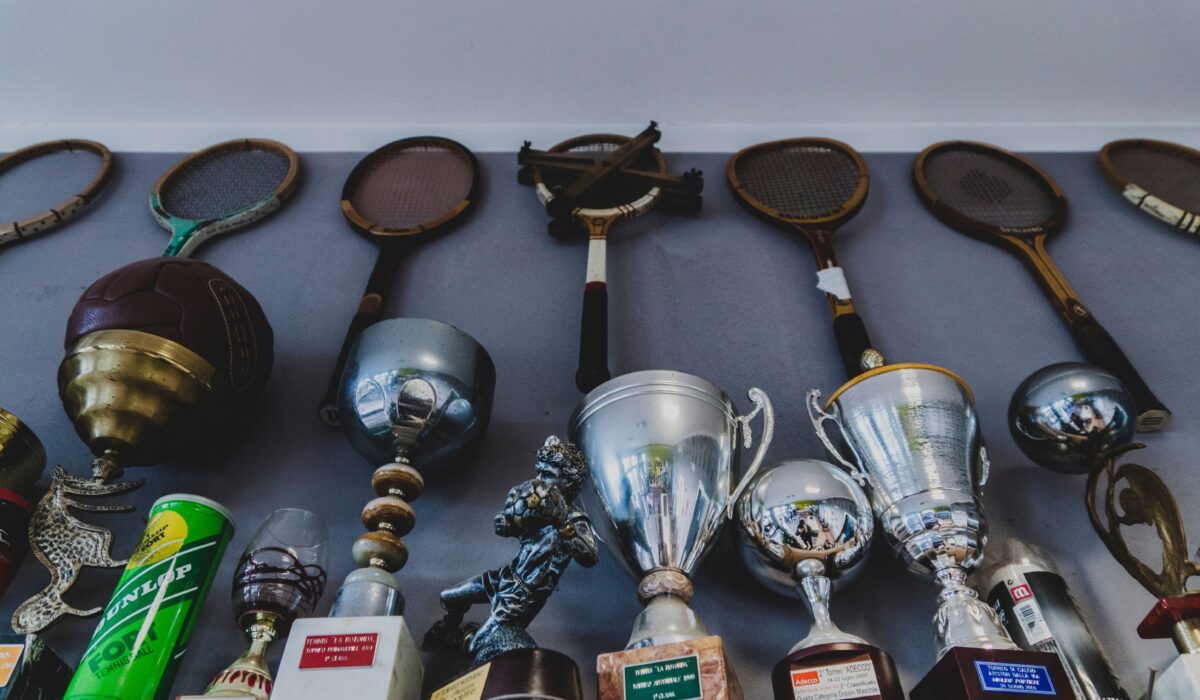
Key Takeaways
- The global sports memorabilia market is valued at $51.2 billion in 2026, according to Market Decipher (2026).
- High-grade vintage cards and game-used items show strong growth, according to Athlon Sports (2026).
- A 2023-24 Panini Prizm Black Victor Wembanyama one-of-one sold for $5.11 million in 2026, setting a new record.
- Women’s sports collectibles are an emerging segment with increasing collector interest and investment potential.
- Digital authentication and phygital products are increasingly important for verifying and enhancing collectible value.
Navigating the dynamic world of sports collectibles can be challenging, but understanding the key Sports Memorabilia Trends 2026 is essential for both new and seasoned collectors. This guide will equip you with the insights needed to make informed decisions, identify valuable opportunities, and avoid common pitfalls in the rapidly evolving market.
Quick Answer: Top sports memorabilia trends for 2026 include surging graded vintage and game-used items, growth in women’s sports collectibles, mainstream investment, licensing shifts (e.g., Fanatics), and increasing digital authentication and phygital products.
What are the Top Sports Memorabilia Trends for 2026?
The top Sports Memorabilia Trends 2026 are characterized by a strong emphasis on authenticated, high-grade vintage items, the rapid rise of women’s sports collectibles, significant shifts in licensing, and the growing mainstream acceptance of collectibles as investment assets. The combined sports memorabilia and trading cards industry is valued at $70 billion in 2026, accelerating toward $393 billion by 2036 at an 18.2% CAGR, according to Market Decipher (2026). This robust growth highlights a maturing market where strategic collecting is key.
One of the most defining Sports Memorabilia Trends 2026 is the continued demand for scarcity and provenance. Collectors are increasingly seeking out items with verifiable history and limited availability, moving away from mass-produced modern pieces. This focus on quality over quantity underpins many of the current market movements.
* Graded Vintage Dominance: High-grade vintage sports cards continue to be a cornerstone of the market, consistently breaking records. These items offer stability and proven long-term value.
* Rise of Women’s Sports: Collectibles from women’s sports are seeing unprecedented growth, driven by increasing viewership and athlete recognition. This represents a significant emerging market segment.
* Investment Mainstreaming: Sports memorabilia is now widely recognized as an alternative investment class, attracting sophisticated investors alongside traditional hobbyists. Platforms like CardVault by Tom Brady (2026) underscore this shift, noting the hobby has matured beyond just nostalgia.
* Licensing Consolidation: Major players like Fanatics are consolidating licensing rights across multiple leagues, impacting product availability and distribution. Topps, for example, reclaims the NFL license in April 2026, introducing new rarity anchors.
* Phygital Integration: The intersection of physical and digital collectibles, known as “phygital” products, is gaining traction, offering enhanced authentication and ownership experiences. A limited-edition NFT-linked rookie card realized US$3.2 million in February 2026, demonstrating this trend’s potential.
The World Cup 2026 is also slated to be a monumental event for memorabilia, with Fanatics targeting $5 billion in revenue from its collectibles division for the year, according to Market Decipher (2026). This illustrates the massive scale of the market and the impact of major sporting events on Sports Memorabilia Trends 2026.
How Has the Sports Collectibles Market Performed in 2026?
The sports collectibles market has demonstrated strong, albeit polarized, performance through mid-2026, with premium assets showing significant gains while ultra-modern raw base singles have declined. The global sports memorabilia market was valued at an impressive $51.2 billion in 2026, according to Market Decipher (2026). This valuation highlights a robust and expanding industry despite some internal market adjustments.
The first half of 2026 saw distinct trends emerge, signaling a market that values scarcity and established provenance. Game-Used Jerseys & Gear, for instance, experienced a notable +9.4% H1 Growth in 2026, according to Athlon Sports (2026). This growth underscores the enduring appeal of tangible, historically significant items.
In contrast, Ultra-Modern Raw Base Singles faced a -12.6% H1 Growth in 2026, as reported by Athlon Sports (2026). This indicates a clear shift in collector preference, moving away from readily available modern cards towards rarer, high-end pieces. This polarization is a key aspect of the current Sports Memorabilia Trends 2026.
The card grading market itself, a crucial component of the collectibles ecosystem, was valued at $4.5 billion in 2026. Projections show it reaching $17.4 billion by 2036 at a 14.5% CAGR, according to Market Decipher (2026). This sustained growth reflects the ongoing importance of third-party authentication and grading for market confidence and value.
What are the Strongest & Weakest Segments in Sports Memorabilia Today?
The strongest segments in sports memorabilia today are unequivocally high-grade vintage cards, game-used items with clear provenance, and authenticated autographs from iconic athletes, while the weakest segment is typically mass-produced ultra-modern raw base singles. Premium Blue-Chip Vintage cards grew by +5.3% in H1 2026, according to Athlon Sports (2026), showcasing their resilience and investment appeal. This segment’s stability is a defining characteristic of current Sports Memorabilia Trends 2026.
Collectors are prioritizing quality and scarcity, which drives value in certain niches. The market for vintage sports cards, particularly those from the early to mid-20th century in high PSA grades, remains exceptionally strong. These items represent historical significance and a finite supply.
* Strongest Segments:
* Premium Graded Vintage Cards: Think Babe Ruth or Mickey Mantle cards, especially those graded by PSA, which consistently command top dollar due to rarity and historical importance.
* Game-Used Memorabilia: Items like Michael Jordan’s game-worn sneakers from his 1985 rookie season or a photo-matched Sandy Koufax jersey carry immense value due to direct athlete connection and verifiable history. This focus on provenance is a key aspect of Sports Memorabilia Trends 2026.
* High-End Autographs: Authenticated signatures from legends like Michael Jordan or Kobe Bryant, especially on rare items or Logoman cards, continue to set auction records.
* Women’s Sports Collectibles: This segment is experiencing rapid appreciation as interest in athletes like Caitlin Clark and other female stars grows exponentially. This is a significant area within current Sports Memorabilia Trends 2026.
* Weakest Segments:
* Ultra-Modern Raw Base Singles: These cards, often produced in very high quantities, lack the inherent scarcity and long-term appeal of premium items. Their -12.6% H1 Growth in 2026 highlights this vulnerability, according to Athlon Sports (2026).
* Unauthenticated Items: Memorabilia without reliable third-party authentication faces significant skepticism and drastically reduced market value. The importance of services like PSA and AutographCOA cannot be overstated in 2026.
* Over-hyped, Unproven Rookies: While some rookies surge, speculative investments in unproven players’ mass-produced cards can be volatile and lead to losses.
The shift towards established, authenticated assets signals a more mature and discerning collector base in 2026. This discerning approach is a core element of the prevailing Sports Memorabilia Trends 2026.
Beyond Cards: Game-Used & Autographed Memorabilia Trends 2026
Beyond traditional sports cards, game-used and autographed memorabilia are experiencing significant growth and evolving preferences, with a strong emphasis on verifiable provenance and iconic moments. Game-Used Jerseys & Gear saw a +9.4% H1 Growth in 2026, according to Athlon Sports (2026), indicating robust demand for these unique items. Understanding these specific Sports Memorabilia Trends 2026 is crucial for collectors.
The value of game-used items is directly tied to their authenticity and the significance of the event or player associated with them. A game-worn pair of Michael Jordan’s original Air Jordan I sneakers from his 1985 rookie season exemplifies the pinnacle of this category. Such items connect collectors directly to history.
* Provenance is Paramount: Collectors are increasingly demanding irrefutable proof of an item’s history, often through photo-matching or official team documentation. A 1963 Sandy Koufax Los Angeles Dodgers jersey, photo-matched to his 20th victory and World Series clinching game, illustrates this high standard.
* Iconic Moments & Milestones: Memorabilia tied to specific, career-defining moments or championships fetches premium prices. Think of items from a player’s rookie season, a record-breaking game, or a championship series.
* Dual & Multi-Signed Items: Autographs featuring multiple legendary players, such as the Jordan–Kobe Dual Logoman that fetched $12.93 million in 2025, are highly coveted. These unique pieces highlight collaborative greatness.
* Emergence of Women’s Sports Memorabilia: Game-used jerseys and autographed balls from prominent female athletes are rapidly gaining value. This segment is a key driver of new Sports Memorabilia Trends 2026, reflecting broader cultural shifts.
* Technology for Verification: Companies like AutographCOA are leveraging technology to offer superior authentication services for autographs, providing collectors with confidence. Justin Steffman, CEO/Lead Authenticator for AutographCOA, emphasizes their “firsthand experience, technical savvy, and deep knowledge of the hobby.” This commitment to verification is a vital aspect of Sports Memorabilia Trends 2026.
The market for game-used and autographed items rewards patience and meticulous research, focusing on pieces with exceptional stories and undeniable authenticity.
How to Start Collecting Sports Memorabilia in 2026
Starting to collect Sports Memorabilia Trends 2026 involves careful planning, education, and a focus on authenticity to build a valuable and enjoyable collection. The first step is to define your collecting goals, whether for investment, passion, or a blend of both. Understanding your intent will guide your choices.
Beginners should prioritize learning about authentication and market values before making significant purchases. This foundational knowledge helps you avoid common pitfalls.
1. Define Your Niche: Decide what interests you most. Do you prefer vintage baseball cards, modern basketball autographs, or game-worn items from a specific team? Specializing helps focus your efforts and budget. This targeted approach is vital given the diverse Sports Memorabilia Trends 2026.
2. Research and Educate Yourself: Learn about the athletes, teams, and types of memorabilia you’re interested in. Understand key grading standards (e.g., PSA’s scale) and common authentication services.
3. Set a Budget: Collectibles can range from a few dollars to millions. Establish a realistic budget to prevent overspending and ensure a sustainable hobby.
4. Prioritize Authenticity: Always purchase items that come with certification from reputable third-party authenticators like PSA, Beckett Authentication Services (BAS), JSA, or AutographCOA. This is the single most important rule in 2026.
5. Start Small: Don’t jump into high-value items immediately. Begin with more affordable pieces to gain experience in researching, buying, and storing collectibles.
6. Network with Other Collectors: Join online forums, social media groups, and local clubs. Fellow collectors can offer invaluable advice, insights, and warnings about potential scams. This community aspect is a growing part of Sports Memorabilia Trends 2026.
7. Proper Storage and Preservation: Invest in appropriate storage solutions like acid-free sleeves, top-loaders, and display cases to protect your items from damage and environmental factors.
Remember, collecting should be enjoyable. While investment potential is a factor, the passion for sports and its history is what truly drives the hobby.
Authentication and Smart Investment Strategies for 2026
Effective authentication and smart investment strategies are paramount for navigating the Sports Memorabilia Trends 2026 and protecting your assets in a market ripe with both opportunity and risk. Verifying the authenticity of any collectible is the absolute first step before considering its investment potential. Without proper authentication, an item’s value is severely diminished, regardless of its perceived rarity.
The card grading market alone, valued at $4.5 billion in 2026, is projected to reach $17.4 billion by 2036, according to Market Decipher (2026). This significant growth highlights the critical role of professional grading services like PSA. PSA raised its prices in February 2026, with regular service costing approximately $105 per card for grading, reflecting the high demand for their expertise.
* Choose Reputable Authenticators: For cards, rely on PSA or Beckett Grading Services (BGS). For autographs, trusted services include JSA (James Spence Authentication) and AutographCOA. Always verify the authenticator’s reputation.
* Understand Grading: Familiarize yourself with grading scales and what constitutes a high-grade item. A higher grade from a reputable service often translates to significantly increased value. This knowledge is crucial for informed participation in Sports Memorabilia Trends 2026.
* Focus on Blue-Chip Assets: Invest in established legends like Michael Jordan, Babe Ruth, or Mickey Mantle, especially their rookie cards or significant game-used items. These “blue-chip” assets tend to hold value and appreciate over time, even amidst fluctuating Sports Memorabilia Trends 2026.
* Diversify Your Portfolio: Don’t put all your eggs in one basket. Consider a mix of vintage cards, modern rookie cards (from proven stars like Victor Wembanyama), and game-used memorabilia. This approach mirrors smart financial investing.
* Monitor Market Trends: Stay informed about player performance, league news, and overall market shifts. Resources like Athlon Sports (2026) provide valuable mid-year market recaps and predictions.
* Consider Emerging Markets: While riskier, investing in promising women’s sports collectibles or top rookie card investments for 2026 (e.g., Cooper Flagg, Dylan Harper) can offer substantial returns if chosen wisely.
* Long-Term vs. Short-Term: Decide if you’re collecting for long-term appreciation or short-term gains. Most successful collectors advocate for a long-term hold strategy, especially for high-value items.
Smart investment in sports memorabilia requires patience, due diligence, and a commitment to authenticity. This discipline is essential for maximizing returns in the current market.
The Role of Digital and Community in Sports Collectibles 2026
The role of digital platforms and community engagement in sports collectibles in 2026 is transformative, enhancing market access, authentication, and the overall collector experience. Online marketplaces, social media, and digital authentication tools have become indispensable for both buying and selling. These digital advancements are profoundly shaping Sports Memorabilia Trends 2026.
The growth of online communities has fostered unprecedented connection among collectors, enabling shared knowledge and enthusiasm. Live breaks, online auctions, and dedicated forums allow enthusiasts to interact globally.
* Online Marketplaces & Auctions: Platforms like eBay continue to be dominant, with trading card singles sales topping $2.62 billion in 2025, according to eBay (2026). These platforms provide global reach and liquidity.
* Digital Authentication & Provenance: QR codes, NFC tags, and blockchain technology are being integrated into physical collectibles to provide verifiable digital certificates of authenticity. This combats counterfeiting and boosts buyer confidence.
* Phygital Collectibles: The rise of “phygital” products, where a physical item is linked to a unique digital asset (like an NFT), offers new ways to prove ownership and engage with collectibles. A limited-edition NFT-linked rookie card realized US$3.2 million in February 2026, demonstrating this innovation. This is a significant aspect of Sports Memorabilia Trends 2026.
* Social Media & Content Creation: Instagram, YouTube, and TikTok are vibrant hubs for collectors to share their finds, discuss trends, and engage with the hobby. Content creators play a major role in shaping public interest and market sentiment.
* Community Platforms: Dedicated forums and Discord servers provide spaces for collectors to connect, trade, and learn from each other, fostering a sense of belonging and shared passion.
* AI in Market Analysis: Advanced analytics powered by AI are helping collectors and investors track market fluctuations, identify undervalued assets, and predict future Sports Memorabilia Trends 2026. This data-driven approach allows for more strategic collecting.
The digital realm has democratized access to the hobby, but it also necessitates vigilance against scams and misinformation. Leveraging trusted digital tools and communities is key to success.
What are the Most Valuable Sports Memorabilia Items in 2026?
The most valuable sports memorabilia items in 2026 continue to be ultra-rare, high-grade cards of all-time legends and iconic game-used artifacts with impeccable provenance. These items consistently break auction records and represent the pinnacle of collecting. A PSA-graded 1952 Topps Mickey Mantle, for example, fetched US$12.6 million at a recent auction, according to auction reports (2026), highlighting the enduring value of vintage baseball cards.
Modern pieces are also making waves, demonstrating that new legends can command staggering prices. The 2023-24 Panini Prizm Black Victor Wembanyama one-of-one sold for $5.11 million in 2026, setting a record for the most expensive non-autographed basketball card, according to NextGenCards (2026). This sale underscores the impact of generational talents on current Sports Memorabilia Trends 2026.
* Michael Jordan’s 1986 Fleer Rookie Card: A signed, high-grade example maintains its status as #1, with a record $2.7 million sale. Jordan’s enduring legacy makes his rookie cards consistently top-tier.
* High-End Logoman Cards: The Jordan–Kobe Dual Logoman (1/1) selling for $12.93 million in 2025, and a Jordan–LeBron Dual Logoman for $10 million in 2025, illustrate the extreme value of these unique, multi-player patches.
* Vintage Baseball Cards: Beyond the 1952 Topps Mickey Mantle, other iconic vintage cards featuring Babe Ruth or Ty Cobb in high grades are perennial record-setters.
* Game-Worn Michael Jordan Sneakers: His original Air Jordan I sneakers from his 1985 rookie season are legendary, representing a direct link to a sports icon.
* Specific Rookie Card Investments for 2026: While not yet at multi-million dollar levels, players like Cooper Flagg (Dallas Mavericks), Dylan Harper (San Antonio Spurs), and VJ Edgecombe (Philadelphia 76ers) are highlighted as top rookie card investments for 2026, with potential for significant future appreciation. Quarterback prospects like Cam Ward, Shedeur Sanders, Jaxson Dart, and J.J. McCarthy also show sustained trading activity.
* Authenticated Game-Used Jerseys: Jerseys photo-matched to significant career milestones or championship games, such as a Sandy Koufax jersey from a World Series clinching game, command premium prices.
The most valuable items consistently combine extreme rarity, top-tier authentication, and association with legendary athletes or historic moments. These factors define the upper echelon of Sports Memorabilia Trends 2026.
Frequently Asked Questions
How has the sports collectibles market performed through mid-2026?
The sports collectibles market has performed strongly through mid-2026, exhibiting a clear polarization where high-grade vintage and game-used items have seen significant growth. Game-Used Jerseys & Gear, for instance, experienced a +9.4% H1 Growth in 2026, according to Athlon Sports (2026). This indicates a healthy market for premium, authenticated assets, while mass-produced modern items face downward price adjustments.
Which segments of the market are strongest or weakest right now?
The strongest segments in the sports memorabilia market right now are high-grade vintage cards, game-used items with verifiable provenance, and authenticated autographs from iconic athletes. Conversely, the weakest segment is generally ultra-modern raw base singles, which saw a -12.6% H1 Growth in 2026, according to Athlon Sports (2026). Collectors are prioritizing scarcity and established value over readily available modern products.
What is the most valuable sports card in 2026?
The most valuable sports card in 2026 includes iconic vintage pieces like a PSA-graded