
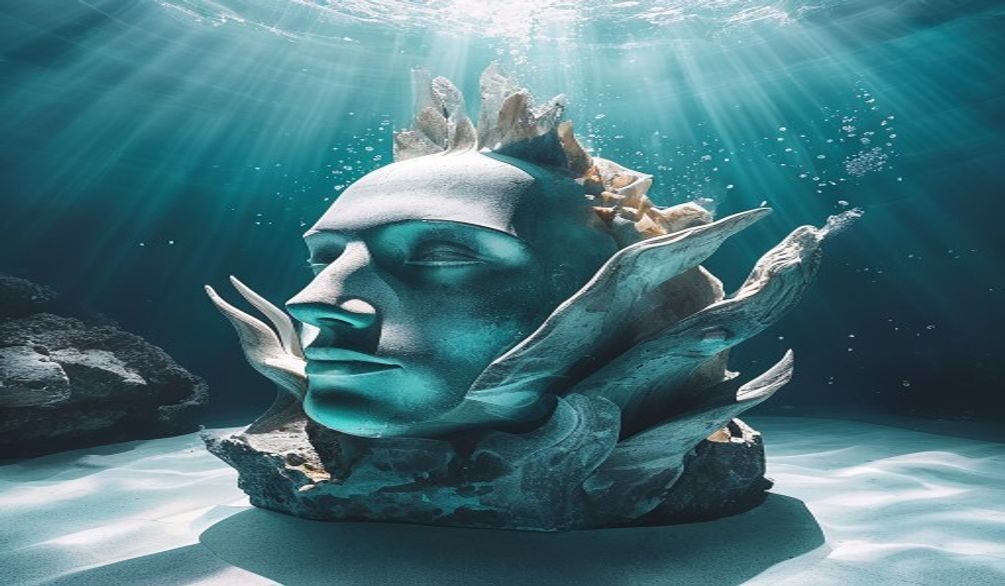
Key Takeaways
- MUSA, the Cancún Underwater Museum, diverts over 750,000 visitors annually from natural reefs, according to Earth Island Journal (2025).
- The diving tourism market is projected to grow at an 8.34% CAGR from 2025 to 2033, as reported by Amra & Elma LLC (2025).
- Australia’s Museum of Underwater Art (MOUA) attracts approximately 1.5 million visitors each year, according to Jason deCaires Taylor (2025).
- The upcoming Ocean for Life sculpture in Koh Tao, Thailand, is expected to attract 9-10 fish species within 48 hours of deployment in April 2026.
- The ReefLine project in Miami Beach will submerge 22 concrete cars seeded with 2,200 native corals in its first phase in late 2025, according to the Los Angeles Times (2025).
Exploring the Top Underwater Museums 2026 offers a unique blend of art, adventure, and profound environmental awareness. If you’re looking for extraordinary travel experiences that also contribute to marine conservation, diving into these submerged galleries is an essential journey. This guide will reveal the world’s most captivating underwater art installations, detailing their purpose, impact, and what makes them must-visit destinations for the current year.
Quick Answer: The top underwater museums for 2026 include Mexico’s MUSA, Grenada’s Molinere Bay, Cyprus’s MUSAN, Australia’s MOUA, and Miami’s developing ReefLine. These sites offer essential journeys, blending unique art with vital marine conservation efforts.
Why Explore Top Underwater Museums in 2026?
Exploring the Top Underwater Museums 2026 offers an unparalleled opportunity to witness the convergence of human creativity and natural resilience, providing both awe-inspiring art and critical marine conservation through art. The diving tourism market is projected to maintain a steady growth rate of approximately 8.34% CAGR from 2025 to 2033, according to Amra & Elma LLC (2025), indicating a strong and growing interest in unique underwater experiences. What most people miss is that these sites are not just attractions; they are dynamic ecosystems.
These underwater art installations serve as vital artificial reefs, offering new habitats for marine life and simultaneously diverting tourist pressure from fragile natural coral reefs. Jason deCaires Taylor, a pioneering British sculptor and founder of several of these museums, highlights this dual purpose, stating, “The underwater sculpture gallery is a project aiming to create a unique space which highlights environmental processes and explores the complex relationships between art and its environment” (2025). This makes visiting these sites an act of conscious eco-tourism.
The allure of the Top Underwater Museums 2026 lies in their transformative nature. Each sculpture evolves over time, becoming encrusted with corals and attracting diverse marine species, creating a living, breathing gallery that changes with every visit.
From experience, these “essential journeys” offer profound educational value, allowing visitors to connect with the ocean’s beauty and fragility on a deeply personal level. They powerfully illustrate how human ingenuity can be harnessed for environmental good.

Our Top 5 Essential Underwater Museums & Sculptures for 2026
The Top Underwater Museums 2026 offer diverse and impactful experiences, each a testament to the power of art in marine conservation. These curated sites represent the pinnacle of underwater art installations and their ecological contributions.
-
Museo Subacuático de Arte (MUSA), Cancun, Mexico
MUSA, or Museo Subacuático de Arte, is arguably the most famous among Top Underwater Museums 2026, featuring over 500 permanent life-size sculptures by Jason deCaires Taylor and other artists. This expansive museum was created to divert tourist pressure from natural reefs and now serves as a complex reef structure for marine life.
MUSA receives approximately 200,000 visitors per year, according to Amra & Elma LLC (2025), showcasing its significant role in experiential tourism. More importantly, MUSA diverts substantial traffic from natural reefs, providing meaningful recovery time for overstressed ecosystems, handling over 750,000 visitors annually, as reported by Earth Island Journal (2025).
-
Molinere Bay Underwater Sculpture Park, Grenada
Grenada’s Molinere Bay stands out among Top Underwater Museums 2026 as the world’s first underwater sculpture park, opened in 2006. It features over 65 concrete sculptures, including the iconic “Vicissitudes,” a circle of children holding hands.
The park has successfully attracted marine life while relieving pressure on natural reefs, demonstrating an early model for artificial reefs tourism. It is now listed as one of National Geographic’s 25 Wonders of the World, solidifying its status as a pioneering underwater sculpture park.
-
Museum of Underwater Sculpture Ayia Napa (MUSAN), Cyprus
For those seeking new depths, MUSAN is a prime example of Top Underwater Museums 2026, being the Mediterranean’s first underwater museum, opened in 2021. It features over 90 sculptures by Jason deCaires Taylor, creating an “underwater forest” designed to attract marine life and promote biodiversity.
Marine Argyrou, Director of the Department of Fisheries and Marine Research, Cyprus, stated, “I firmly believe that Jason’s 93 artworks will be a haven for many sea creatures and will contribute to the development of biodiversity in the area” (2021). MUSAN offers a living visual and ecological experience, with art interacting with nature.
-
Museum of Underwater Art (MOUA), Townsville, Australia
Australia’s MOUA is another incredible entry on the list of Top Underwater Museums 2026, being the only underwater art museum in the Southern Hemisphere. It features monumental sculptures like “The Coral Greenhouse,” the world’s largest underwater art structure, and “Ocean Siren.”
MOUA actively promotes reef conservation, restoration, and education on the Great Barrier Reef. The museum attracts about 1.5 million people per year, with approximately 4,000 snorkelers and SCUBA divers visiting its remote sculptures annually on commercial trips, according to Jason deCaires Taylor (2025). As of April 2024, observations recorded 4,572 instances of 542 species, showing a significant increase in fish abundance and diversity at the site.
-
The ReefLine, Miami Beach, USA (Ongoing 2025-2026)
The ReefLine is an ambitious, pioneering 7-mile underwater sculpture park and hybrid reef set to materialize throughout 2025 and 2026, making it a significant addition to the Top Underwater Museums 2026. Phase 1 in late 2025 includes Leandro Erlich’s “Concrete Coral,” which features 22 concrete cars.
These car sculptures will be seeded with 2,200 native corals, aiming to accelerate coral reef ecosystem formation and address climate change impacts, according to the Los Angeles Times (2025). Ximena Caminos, Artistic Director and Founder of The ReefLine, noted, “REEFLINE shows how creativity can drive real solutions for a changing planet” (2025).

What is the Purpose of Underwater Sculptures and Museums?
The core purpose of Top Underwater Museums 2026 extends beyond aesthetic appreciation; it is fundamentally about marine conservation through art and ecological restoration. These unique art installations are strategically placed to serve as artificial reefs, attracting marine life and fostering new ecosystems.
By creating visually stunning underwater sculpture parks, these museums draw tourists away from overstressed natural coral reefs, giving fragile ecosystems a chance to recover. This diversion of human activity is a critical aspect of their conservation strategy. Jason deCaires Taylor emphasizes this, stating that “below the surface is a fragile, finely-balanced ecosystem – one which has been continuously degraded and polluted over the years by human activity” (2025).
The integration of art with environmental science offers a powerful platform for education and advocacy, raising awareness about ocean health. Visitors become direct witnesses to the beauty and fragility of marine environments, often inspiring a deeper commitment to their protection.
Ultimately, these projects aim to create tangible solutions for marine degradation while offering an enriching cultural experience. They transform the act of viewing art into a meaningful engagement with our planet’s most vital ecosystems.

How Do Underwater Sculptures Help Marine Life and Conservation?
Underwater sculptures help marine life and conservation by providing new, stable substrates for coral growth and creating complex habitats that attract a diverse array of fish and invertebrates, effectively functioning as artificial reefs. Many Top Underwater Museums 2026 are specifically designed to become living ecosystems, mitigating the degradation of natural habitats.
For instance, surveys of artificial reefs in Thailand (2554-2556 vs. 2565-2566) showed a significant increase from 25 to 38 species of sessile organisms and 27 to 58 species of fish, demonstrating the rapid ecological benefits, according to PTT Exploration and Production Public Company Limited (2026). This crucial function makes Top Underwater Museums 2026 vital tools in marine conservation efforts.
The intricate designs of the sculptures offer shelter, breeding grounds, and feeding opportunities for various species, thereby increasing local biodiversity. This process is often enhanced by seeding the sculptures with live coral fragments, accelerating the formation of a vibrant new reef.
Beyond direct habitat creation, these underwater attractions also serve as educational platforms, raising awareness about the importance of ocean health and the impact of human activities. They inspire visitors to become advocates for the marine environment.

Can You Snorkel or Dive at MUSA and Other Underwater Parks?
Yes, you can absolutely snorkel or dive at the Top Underwater Museums 2026, including MUSA and most other underwater sculpture parks, as they are specifically designed for accessibility by both divers and snorkelers. These sites offer unique opportunities for underwater photography and direct engagement with marine life.
At MUSA in Cancun, for example, visitors can choose between snorkeling tours that hover above shallower installations or SCUBA diving excursions that explore the deeper, more intricate sculptures, according to MUSA’s official visitor information (2025). Visiting Top Underwater Museums 2026 offers a unique blend of art and adventure.
Each park typically has designated areas and tour operators to ensure visitor safety and minimize impact on the delicate ecosystems. It’s always recommended to book with certified eco-tourism operators who prioritize responsible diving and snorkeling practices.
Whether you’re a seasoned diver or a first-time snorkeler, these underwater attractions provide an unforgettable experience, allowing you to immerse yourself in art that is constantly evolving with nature.

What Materials Are Used for Underwater Sculptures?
The materials used for underwater sculptures are predominantly pH-neutral marine-grade cement and stainless steel, chosen specifically for their durability, stability, and non-toxic properties that ensure they do not harm marine environments. This careful selection of materials is critical for the long-term success of Top Underwater Museums 2026 as artificial reefs.
Jason deCaires Taylor’s sculptures, for example, are created using a specialized marine cement that has a rough, textured surface, promoting the attachment and growth of corals, algae, and other sessile organisms, according to his official website (2025). This allows the sculptures to quickly integrate into the marine ecosystem.
Reinforcing elements, such as fiberglass rebar, are often used instead of traditional steel rebar to prevent corrosion and ensure the longevity of the structures underwater. The goal is to create a stable, permanent base for marine colonization.
These material choices are essential for ensuring that the underwater art installations not only endure the harsh marine environment but also actively contribute to the health and biodiversity of the ocean. The sculptures are designed to be a safe haven for marine life.

Upcoming Underwater Art Projects: The ReefLine and Ocean for Life 2026
Looking ahead, the development of new Top Underwater Museums 2026 continues to push the boundaries of art and conservation, with significant projects like The ReefLine in Miami Beach and Ocean for Life in Koh Tao, Thailand, set to make a major impact. These initiatives highlight a growing global commitment to addressing marine challenges through creative solutions.
The ReefLine, as mentioned, is an ambitious 7-mile underwater sculpture park and hybrid reef that will unfold throughout 2025 and 2026. Its first phase in late 2025 involves the submersion of 22 concrete cars by Leandro Erlich, which will be seeded with 2,200 native corals, according to the Los Angeles Times (2025). The ReefLine will undoubtedly be one of the most significant Top Underwater Museums 2026.
Ximena Caminos, Artistic Director and Founder of The ReefLine, noted that the project “forces alliances between artists, scientists, engineers, architects, and communities… Through storytelling, cultural practice, and knowledge, we translate complex science into shared emotional understanding and collective responsibility” (2025). This interdisciplinary approach is key to its success.
Ocean for Life also solidifies its place among the anticipated Top Underwater Museums 2026. This new underwater art space for marine conservation in Koh Tao, Thailand, is set for deployment in April 2026. It will feature 93 sculptures designed to create an artificial coral reef over 10,000 square meters, according to PTT Exploration and Production Public Company Limited (2026).
The “Ocean for Life” sculpture is expected to see 9-10 species of fish inhabit the area within 24-48 hours, increasing to 15-20 species within two weeks, providing a rapid ecological boost, according to PTT Exploration and Production Public Company Limited (2026). These ambitious new Top Underwater Museums 2026 projects, like The ReefLine and Ocean for Life, aim to reduce diver density on natural reefs, serve as nurseries for marine life, and revitalize sustainable tourism.

Frequently Asked Questions
What is the most famous underwater museum?
The most famous among Top Underwater Museums 2026 is the Museo Subacuático de Arte (MUSA) in Cancun, Mexico, renowned for its extensive collection of over 500 sculptures. MUSA attracts approximately 200,000 visitors annually, according to Amra & Elma LLC (2025), making it a global landmark. Consider visiting MUSA for a truly iconic underwater art experience.
What is the purpose of underwater sculptures?
The purpose of Top Underwater Museums 2026 is dual-fold: to create stunning art installations and to serve as artificial reefs that promote marine life and divert tourist impact from natural ecosystems. These sculptures provide vital new habitats for corals and fish, as highlighted by Jason deCaires Taylor (2025). They offer a powerful blend of artistic expression and ecological restoration.
Can you snorkel at MUSA?
Yes, you can snorkel at MUSA, one of the premier Top Underwater Museums 2026, enjoying shallower sections of the sculpture park. Snorkeling is a popular and accessible way to experience the unique underwater art installations, according to MUSA’s official visitor information (2025). It’s an excellent option for those who prefer not to dive.
Where is the largest underwater museum located?
The largest individual underwater sculpture, “Ocean Atlas,” is located in Nassau, Bahamas, while the largest collection of sculptures forming a museum is the Museo Subacuático de Arte (MUSA) in Cancun, Mexico. MUSA features over 500 sculptures, making it the world’s largest underwater art museum by volume, as detailed by Jason deCaires Taylor (2025). MUSA is a must-see for anyone interested in extensive underwater art.
How do underwater sculptures help marine life?
Underwater sculptures help marine life by acting as artificial reefs, providing stable surfaces for coral growth and complex structures for fish and other organisms to shelter, feed, and breed. Surveys in Thailand showed an increase from 27 to 58 species of fish around artificial reefs, according to PTT Exploration and Production Public Company Limited (2026). This function is crucial for marine conservation through art.
Ultimately, exploring the Top Underwater Museums 2026 is more than just a vacation; it’s an immersive journey into the heart of marine conservation, where art and science converge to protect our oceans. These essential journeys offer unparalleled beauty and a powerful message of hope for our planet’s most vital ecosystems. Plan your visit to one of these extraordinary underwater art installations and become a part of the solution for ocean health.
 Pooja Raturi