
Key Takeaways
- The global smart home market is valued at $164.13 billion in 2026, according to Mordor Intelligence (2026).
- Approximately 77.05 million US homes, or 51.37% of households, actively use smart home devices as of 2026.
- Matter protocol significantly enhances interoperability, allowing devices from different brands to work seamlessly together.
- Energy management is projected to be the fastest-growing smart home device market segment over the next five years.
- AI will enable smart homes to autonomously manage energy and predict usage by 2027, according to Repenic (2026).
Are you ready to transform your living space into an intelligent, responsive environment? Discovering the Best Smart Home Devices 2026 is the first step towards automating your life, solving daily inconveniences, and boosting your home’s efficiency. This comprehensive guide will equip you with the knowledge to select top-tier smart home automation solutions, ensuring you build a secure, integrated, and future-proof connected home tech ecosystem.
Quick Answer: The Best Smart Home Devices 2026 provide seamless integration and practical automation. Essential gadgets include smart lighting, thermostats, security cameras, and voice assistants, all enhanced by Matter protocol for interoperability and AI for adaptive control, simplifying daily life.
What are Smart Home Devices and Why Automate Your Life in 2026?
Smart home devices are internet-connected gadgets that allow you to monitor and control various aspects of your home remotely or through automated schedules. Automating your life in 2026 with these smart living solutions offers unparalleled convenience, enhanced security, and significant energy savings, transforming routine tasks into effortless operations. The global smart home market is valued at $164.13 billion in 2026, projected to reach $311.22 billion by 2031, according to Mordor Intelligence (2026).
These devices leverage technologies like Wi-Fi, Bluetooth, and the Matter protocol to communicate with each other and with you via a central hub or smartphone app. From adjusting your thermostat to locking your doors, the power of control is literally at your fingertips. This integration creates a responsive environment that adapts to your lifestyle.
The primary benefit of smart home automation is the sheer convenience it provides. Imagine your lights turning on as you arrive home, or your coffee machine starting before your alarm. These subtle shifts improve daily flow and reduce mental load.
Beyond convenience, smart home automation 2026 also offers substantial long-term value. “Smart home technology in 2026 is a buyer expectation in the luxury segment, not a bonus feature,” states David Liberatore (2026), highlighting its growing importance in real estate. Investing in the Best Smart Home Devices 2026 can significantly enhance your home’s appeal and market value.
The Best Smart Home Devices 2026: Essential Gadgets for Every Room
The best smart home devices 2026 encompass a range of essential gadgets designed to bring automation and intelligence to every corner of your home. These devices are crucial for building a truly connected home tech environment, offering solutions from ambient lighting to robust home security systems. Approximately 77.05 million US homes, or roughly 51.37% of all households, are actively using smart home devices as of 2026, demonstrating widespread adoption.
When considering the Best Smart Home Devices 2026, focus on devices that offer strong compatibility, especially with the Matter protocol, and practical functionality. The retrofit segment accounted for the largest revenue share of 60.8% in 2025, indicating a strong trend of upgrading existing homes with these smart gadgets.
Here are some of the Best Smart Home Devices 2026 for each area of your home:
* Smart Lighting: Brands like Philips Hue and Nanoleaf offer dynamic lighting systems that can adjust brightness, color, and even sync with music or movies. These devices conserve energy and create personalized ambiances.
* Smart Thermostats: Devices such as the Google Nest Thermostat or Ecobee Smart Thermostat learn your preferences and optimize heating and cooling schedules, leading to significant energy savings. Energy management is forecast to be the fastest-growing smart home device market segment over the next five years.
* Smart Security Cameras: For robust home security systems, options like Arlo Pro or Ring cameras provide high-definition video, motion detection, and two-way audio. Many integrate seamlessly with your existing smart home ecosystem.
* Smart Locks: Brands like August Smart Lock or Yale Assure Lock allow keyless entry, remote access control, and visitor management, greatly enhancing security and convenience. These are among the most practical smart home automation 2026 additions.
* Smart Plugs: Simple yet effective, smart plugs from TP-Link Kasa or Amazon Smart Plug turn any ordinary appliance into a smart device, allowing remote control and scheduling. They are an affordable entry point into smart living solutions.
* Voice Assistants: Amazon Alexa, Google Home, and Apple HomeKit-enabled devices like the HomePod Mini serve as the central command for your smart home, responding to voice commands for seamless interaction. These smart assistants are foundational to the Best Smart Home Devices 2026 experience.
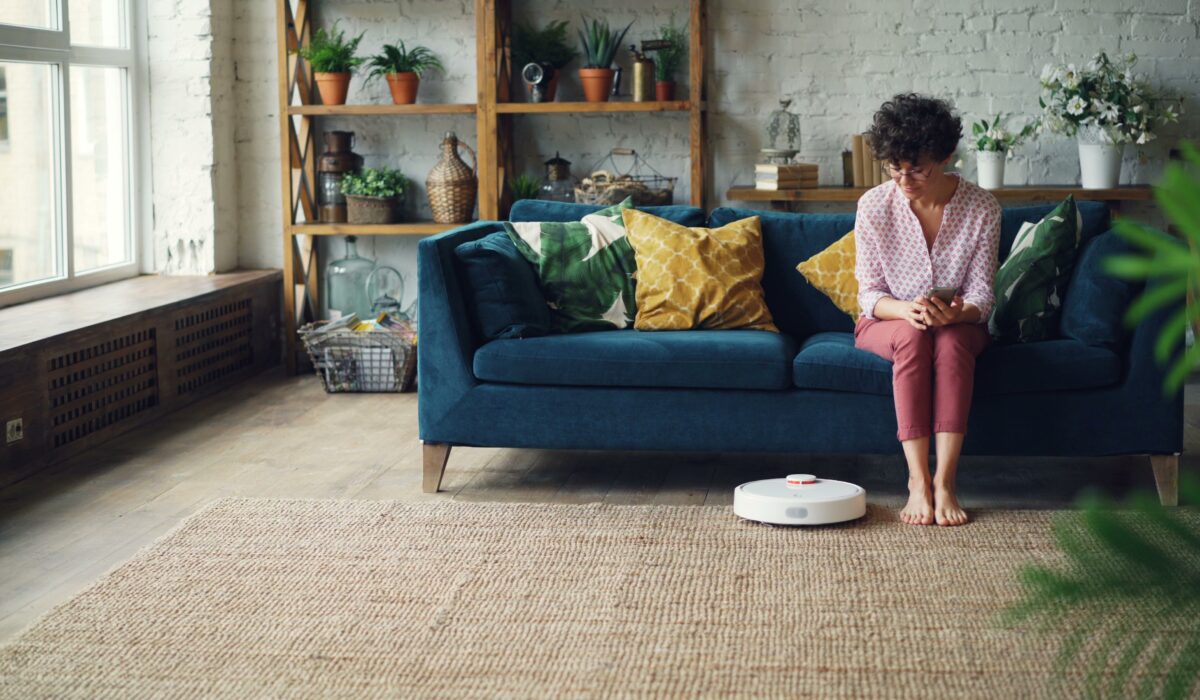
* Robot Vacuums: Models from Roomba or Roborock intelligently clean your floors, often mapping your home and avoiding obstacles. They save time and maintain a cleaner living space with minimal effort.
Building a Cohesive Smart Home Ecosystem: Apple, Google, or Amazon?
Building a cohesive smart home ecosystem often revolves around choosing a primary platform: Apple HomeKit, Google Home, or Amazon Alexa. The ideal choice depends on your existing devices, personal preferences, and the level of integration you desire for your smart home automation. “Matter protocol advances interoperability, uniting ecosystems from Amazon, Google, and Apple for smoother smart home hub experiences,” explains Repenic (2026), making cross-platform compatibility increasingly viable.
Each platform offers unique strengths. Apple HomeKit is renowned for its strong privacy features and deep integration with iOS devices, providing a seamless experience for Apple users. Its focus on security and local control makes it a top choice for those prioritizing data protection.
Google Home, powered by Google Assistant, excels in artificial intelligence and natural language processing, offering advanced contextual understanding and integration with Google’s vast services. It’s a powerful hub for controlling a wide array of devices and managing your daily schedule.
Amazon Alexa boasts the broadest device compatibility and a massive ecosystem of skills, making it highly versatile and accessible for most users. Its ubiquity and diverse range of Alexa-enabled devices make it a popular choice for many households seeking the Best Smart Home Devices 2026.
The Matter protocol is a game-changer for smart home ecosystems. It allows devices from different manufacturers and platforms to communicate locally and securely, reducing reliance on cloud services and improving responsiveness. This means you’re no longer strictly tied to one ecosystem, offering greater flexibility when selecting the Best Smart Home Devices 2026.
How to Turn Your Home into a Smart Home in 2026: A Step-by-Step Guide
Turning your home into a smart home in 2026 involves a strategic approach to device selection, network setup, and automation planning. The key is to start small, identify your core needs, and gradually expand your connected home tech, ensuring each addition complements your overall smart living solutions. Global smart home device shipments are expected to approach 1.25 billion units in 2026, highlighting the accessibility of smart tech.
Many people make the mistake of buying random gadgets without a clear plan. Instead, consider which areas of your life could benefit most from automation. Do you want better security, more convenience, or energy efficiency gadgets? This initial assessment will guide your purchases for the Best Smart Home Devices 2026.
Here’s a step-by-step guide to building your smart home:
1. Define Your Goals: Decide what you want your smart home to achieve (e.g., enhanced security, energy savings, convenience).
2. Choose Your Ecosystem: Select a primary platform (Apple HomeKit, Google Home, or Amazon Alexa) based on your existing tech and preferences.
3. Start with a Smart Hub/Voice Assistant: A central hub like a Google Nest Hub or Amazon Echo device will be the brain of your smart home.
4. Add Core Devices: Begin with 1-2 essential smart home devices 2026, such as smart lights or a smart thermostat.
5. Ensure Compatibility (Matter Protocol): Prioritize devices that support the Matter protocol for seamless integration across brands. This is crucial for the Best Smart Home Devices 2026.
6. Set Up Routines and Automations: Use your ecosystem’s app to create automated actions (e.g., “Good Morning” routine that turns on lights and adjusts the thermostat).
7. Expand Gradually: Add more devices as needed, focusing on those that integrate well and offer tangible benefits.
8. Prioritize Security: Always change default passwords and ensure your home network is secure to protect your smart home security systems.
Ensuring Smart Home Security and Privacy in 2026
Ensuring smart home security and privacy in 2026 is paramount, as connected devices collect vast amounts of personal data and can be vulnerable to cyber threats. Implementing robust cybersecurity practices and understanding data handling policies are essential for protecting your digital footprint and physical safety. The U.S. smart home market is projected to grow to $54.53 billion in 2026, underscoring the need for vigilant security measures.
What most people miss is that convenience should never come at the expense of security. Every smart home device is a potential entry point for malicious actors. Strong passwords, two-factor authentication, and regular firmware updates are non-negotiable for any of the Best Smart Home Devices 2026.
Here are critical steps for safeguarding your smart home:
* Strong, Unique Passwords: Use complex, unique passwords for every smart device and your Wi-Fi network.
* Two-Factor Authentication (2FA): Enable 2FA wherever available for an extra layer of security.
* Network Segmentation: Consider creating a separate guest network or VLAN for your smart devices to isolate them from your main network.
* Regular Firmware Updates: Keep all smart devices and your router updated to patch security vulnerabilities.
* Review Privacy Policies: Understand what data your devices collect and how it’s used. Opt for devices with strong privacy smart devices features.
* Disable Unused Features: Turn off microphones or cameras when not in use, if the device allows.
* Secure Your Router: Change the default router login credentials and disable Universal Plug and Play (UPnP).
Choosing the Best Smart Home Devices 2026 from reputable brands that prioritize security and privacy in their design is a critical first step. Always research a product’s security history and privacy practices before purchasing.
AI and the Future of Smart Home Automation: What to Expect
AI and the future of smart home automation in 2026 promise increasingly intelligent, predictive, and personalized living experiences. We can expect AI smart homes to move beyond simple commands to anticipating needs, optimizing resources, and proactively managing the home environment without direct human intervention. “By 2027, AI agents will autonomously manage energy, predicting usage via grid integration,” states Repenic (2026), highlighting the transformative potential of artificial intelligence.
In practice, AI will allow your smart home to learn your habits, preferences, and even emotional states to adjust settings accordingly. Imagine your home automatically dimming lights and playing calming music when it senses you’re stressed, or pre-heating your oven based on your typical dinner time. This level of adaptive control is a key differentiator for the Best Smart Home Devices 2026 and beyond.
The integration of AI will also enhance the capabilities of smart assistants. They will become more conversational, understanding complex requests and even inferring intent. This means less precise phrasing will be needed to control your connected home tech, making interaction more natural and intuitive.
Furthermore, AI will play a crucial role in preventative maintenance. Smart appliances could detect potential malfunctions before they occur, alerting you to issues like a failing refrigerator compressor or a clogged filter. This proactive approach will save money and extend the lifespan of your smart home devices 2026. The Best Smart Home Devices 2026 are already incorporating rudimentary AI, but the next few years will see exponential growth in this area. You can even explore how similar AI concepts apply to other fields by checking out our guide on Top Health Technologies 2026: 5 Revolutionary Innovations.
Troubleshooting Common Smart Home Issues & Maintenance Tips
Troubleshooting common smart home issues and implementing regular maintenance tips are essential for ensuring the long-term reliability and performance of your automated home. Many problems stem from connectivity issues or outdated software, which are often simple to resolve with a structured approach. The truth is, even the Best Smart Home Devices 2026 aren’t entirely plug-and-play forever; they require a little care.
Connectivity problems are the most frequent culprits. A weak Wi-Fi signal, too many devices on one network, or interference can cause devices to go offline. A simple router reboot can often resolve these transient issues.
Here are practical troubleshooting and maintenance tips:
* Check Wi-Fi Signal Strength: Ensure your router is centrally located and consider Wi-Fi extenders for larger homes.
* Reboot Devices: A quick power cycle (unplugging and replugging) can fix many minor glitches with individual smart home devices 2026.
* Update Firmware Regularly: Always install updates for your smart devices and hubs as soon as they are available to ensure optimal performance and security.
* Inspect Wiring and Batteries: For battery-powered devices, check battery levels. For wired devices, ensure connections are secure.
* Review App Settings: Verify that device settings and automation routines in your smart home app are configured correctly.
* Reset and Re-pair: As a last resort, factory resetting a problematic device and re-pairing it with your hub can resolve persistent issues.
* Clean Sensors: Dust and grime can interfere with motion sensors or cameras. Regularly clean your smart home security systems’ components.
The key insight here is that proactive maintenance prevents reactive troubleshooting. By regularly checking for updates and ensuring strong network health, you’ll maximize the lifespan and efficiency of your Best Smart Home Devices 2026.
Maximizing Energy Efficiency and Health Monitoring with Smart Tech
Maximizing energy efficiency and integrating health monitoring with smart tech are two powerful applications transforming homes in 2026, offering both cost savings and enhanced well-being. Smart home devices 2026 are increasingly designed to provide granular control over energy consumption and gather vital health data, contributing to a more sustainable and healthier lifestyle. According to the American Council for an Energy-Efficient Economy (ACEEE), widespread adoption of smart energy management can significantly reduce household energy waste (2025).
Energy efficiency gadgets are a cornerstone of modern smart homes. Smart thermostats, for example, can learn your schedule and adjust temperatures, saving energy when you’re away. Smart plugs can turn off “vampire devices” that draw power even when not in use. This level of control is not just about convenience; it’s about conscious resource management. You can learn more about related innovations in Top 5 Green Technologies 2026: Essential Innovations.
For health monitoring, the Best Smart Home Devices 2026 are expanding beyond wearables. Smart beds can track sleep patterns, smart scales can monitor body composition, and even smart mirrors can offer skin analysis. These devices integrate with personal health apps, providing a holistic view of your well-being.
Ambient sensors can monitor air quality, temperature, and humidity, alerting you to potential environmental hazards. For older adults or those with specific health needs, smart sensors can detect falls or unusual activity patterns, providing an invaluable layer of safety and peace of mind. The integration of Matter protocol means these diverse health and energy devices can work together seamlessly, creating a truly responsive environment. The potential for the Best Smart Home Devices 2026 to impact daily health and environmental footprint is immense.
Frequently Asked Questions
What are the most essential smart home gadgets in 2026?
The most essential smart home gadgets in 2026 include smart lighting, thermostats, security cameras, smart locks, and voice assistants. These devices offer foundational convenience, security, and energy savings, forming the core of any effective smart home automation system. Approximately 77.05 million US homes, or 51.37% of households, are actively using smart home devices as of 2026. Prioritize gadgets that support the Matter protocol for the best long-term compatibility.
Can I use multiple smart home platforms at the same time?
Yes, you can use multiple smart home platforms simultaneously, especially with the growing adoption of the Matter protocol. Matter protocol allows devices from different ecosystems like Apple HomeKit, Google Home, and Amazon Alexa to communicate directly. While a single primary ecosystem is often simpler, Matter enables greater flexibility and choice for the Best Smart Home Devices 2026, allowing you to mix and match.
Which smart home platform is best for privacy?
Apple HomeKit is generally considered best for privacy due to its strong encryption, local processing of data, and strict privacy policies. It emphasizes user control over data and minimizes cloud reliance, making it a preferred choice for privacy smart devices. While other platforms are improving, Apple’s approach to data protection remains a benchmark.
What percentage of US homes have smart devices?
Approximately 51.37% of US homes, which translates to 77.05 million households, are actively using smart home devices as of 2026. This figure underscores the mainstream adoption of smart home automation and the increasing demand for connected home tech solutions. The retrofit segment led the smart home market, accounting for the largest revenue share of 60.8% in 2025.
Can Smart Homes Help with Health Monitoring and Wellness in the Future?
Yes, smart homes can significantly aid health monitoring and wellness, offering advanced capabilities in 2026 and beyond. Devices like smart beds, air quality sensors, and even AI-powered home assistants can track vital signs, environmental factors, and activity levels. This integration provides proactive insights into your well-being, making smart living solutions integral to future health management.
Embracing the Best Smart Home Devices 2026 means stepping into a future where your home actively enhances your life, offering unparalleled convenience, security, and efficiency. By focusing on interoperability with Matter protocol, prioritizing security, and understanding the role of AI, you can build a truly intelligent and personalized living space. Start exploring the possibilities today to transform your home into a dynamic hub of smart home automation that truly works for you.